
How do auxiliary lights affect the driver’s reaction time on long trips?
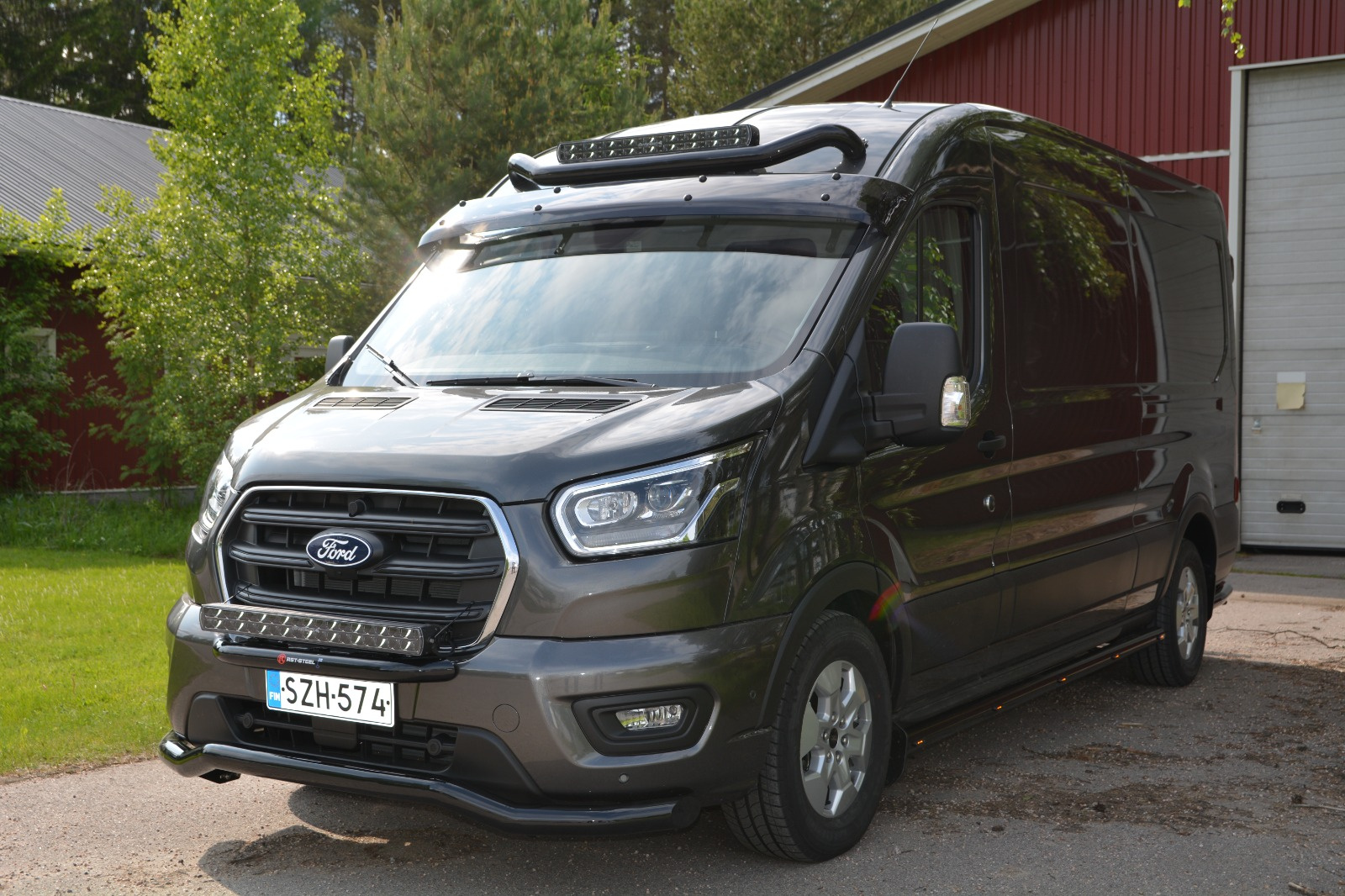
Auxiliary lights significantly improve driver reaction time on long trips by enhancing visibility and reducing visual strain. Better illumination allows drivers to spot hazards earlier, while reduced eye fatigue keeps them more alert during extended periods behind the wheel. Quality vehicle lighting is essential for professional drivers who spend countless hours navigating challenging road conditions, particularly during night driving when reaction times naturally decrease.
How do auxiliary lights improve driver reaction time during extended driving?
Auxiliary lights improve driver reaction time by providing superior road illumination that allows earlier hazard detection. Enhanced visibility means drivers can identify obstacles, pedestrians, or road changes at greater distances, giving them more time to respond appropriately. This improved visual processing directly translates to faster, more confident decision-making during critical moments.
The scientific explanation centres on cognitive load reduction. When drivers struggle to see clearly, their brains work harder to process visual information, leading to delayed responses. Quality auxiliary lighting eliminates this visual stress, allowing the mind to focus on driving decisions rather than straining to interpret unclear images. Professional drivers particularly benefit from this enhanced mental clarity during long-haul trips.
Eye strain reduction plays a crucial role in maintaining optimal reaction times. Standard headlights often create harsh contrasts between illuminated and dark areas, forcing eyes to constantly adjust. Properly designed LED work lights provide more even light distribution, reducing muscle fatigue around the eyes and maintaining consistent visual acuity throughout extended driving periods.
What types of auxiliary lights work best for professional long-distance drivers?
LED work lights and light bars offer the best performance for professional long-distance drivers due to their superior brightness, energy efficiency, and longevity. Light bars provide wide-area illumination ideal for highway driving, while focused LED work lights excel at penetrating fog and adverse weather conditions that professional drivers frequently encounter.
Premium options like Lazer Lamps represent the highest performance tier, offering exceptional build quality and advanced optical engineering. These lights deliver superior beam patterns and durability that justify their higher cost for professional applications where reliability is paramount.
Mid-range solutions such as Purelux and OZZ provide excellent value for professional drivers seeking quality without premium pricing. These lights offer robust construction and reliable performance suitable for demanding commercial use, making them popular choices for fleet operators and owner-operators alike.
Budget-friendly alternatives like Optibeam deliver basic functionality at accessible price points. While lacking some advanced features of premium options, they provide adequate visibility enhancement for drivers prioritising cost-effectiveness without completely sacrificing quality or road safety.
Why does proper auxiliary lighting reduce driver fatigue on long trips?
Proper auxiliary lighting reduces driver fatigue by minimising eye muscle strain and maintaining natural alertness levels during extended driving periods. Quality illumination prevents the constant pupil adjustments and focusing efforts that exhaust visual systems, allowing drivers to maintain concentration for longer periods without experiencing debilitating fatigue.
Physiological factors play a significant role in this fatigue reduction. Poor lighting forces eye muscles to work continuously, similar to holding weights for extended periods. Adequate illumination allows these muscles to relax, preventing the tension headaches and visual exhaustion that commonly plague long-distance drivers operating with insufficient lighting.
The psychological impact of proper lighting cannot be overstated. Drivers feel more confident and less stressed when they can clearly see the road ahead, reducing the mental anxiety that contributes to overall fatigue. This improved psychological state helps maintain alertness and decision-making capabilities throughout demanding driving schedules.
Circadian rhythm considerations also influence fatigue levels during night driving. Quality auxiliary lights that provide an appropriate colour temperature can help maintain natural alertness cycles, preventing the drowsiness that often accompanies inadequate or poorly designed vehicle lighting systems.
Professional drivers who invest in quality auxiliary lighting systems will find significant improvements in both safety and comfort during long trips. We offer comprehensive lighting solutions across all price ranges, from premium Lazer Lamps to cost-effective Optibeam options, ensuring every professional driver can access the visibility enhancement they need for safer, less fatiguing journeys. Contact us today to discuss your specific lighting requirements.
Related Posts
Can Sun Visors be adjusted to different positions?
Yes — truck sun visors adjust in multiple ways. Here’s what every professional driver should know.

Which Cabin Outside accessories should be installed on a truck?
Protect your truck and improve safety with the right cabin exterior accessories for professional drivers.
How does Cabin Inside affect driver well-being?
Poor cabin ergonomics silently drains driver alertness — discover which interior accessories make the biggest difference on long hauls.
Which seat covers are suitable for professional use?
Not all seat covers handle daily cab life. Find out which materials and features truly meet professional standards.
Which Work Light Bars are the most efficient on a truck?
Not all truck light bars are equal — discover which specs, beam patterns, and ratings truly deliver on the job.
Can Work Light Bars be used on public roads?
Work light bars are illegal on EU public roads — here’s what every professional truck driver must know.
Can Front Spoiler Bars be repaired after damage?
Damaged front spoiler bar? Discover repair methods, assessment tips, and when replacement beats repair costs.
Which Front Spoiler Bars withstand impacts best?
Not all front spoiler bars survive real-world punishment — material grade, weld quality, and bracket engineering make all the difference.
How do Front Spoiler Bars affect a truck’s air resistance?
Front spoiler bars do more than manage airflow — discover their real aerodynamic impact and practical benefits for truck drivers.
When should Wheel Covers be replaced?
Damaged truck wheel covers risk costly rim repairs and road safety hazards — here’s exactly when to replace them.
How should Wheel Covers be cleaned effectively?
Brake dust, road salt, wrong cleaner — discover the step-by-step wheel cover cleaning routine that protects your rims long-term.
Which lights work best on a Roof Bar?
LED vs halogen, beam patterns, and key specs — find the best roof bar lights for professional trucks.
Which Front Bars fit different truck models?
Discover which stainless steel front bars fit major European truck models — and how to choose the right one.
How should Cabin Inside cleaning be carried out professionally?
Master professional truck cabin cleaning with the right tools, techniques, and schedules every driver needs.
How can Cabin Inside lighting be improved?
Discover how the right truck cabin lighting reduces driver fatigue and transforms your cab into a productive workspace.
Which Front Spoiler Bars are suitable for city driving?
Protect your truck’s front bumper in city traffic — discover which front spoiler bars handle urban hazards best.
What are Front Spoiler Bars on a truck?
Discover how front spoiler bars shield truck bumpers from real-world hazards — reducing costly downtime and repair bills.
Is a Bull Bar mandatory on a truck?
Bull bars aren’t mandatory on trucks — but here’s why professional drivers treat them as essential.


 English
  Swedish
  Norwegian