
How to choose the right Kelvin value for a vehicle’s auxiliary lights?
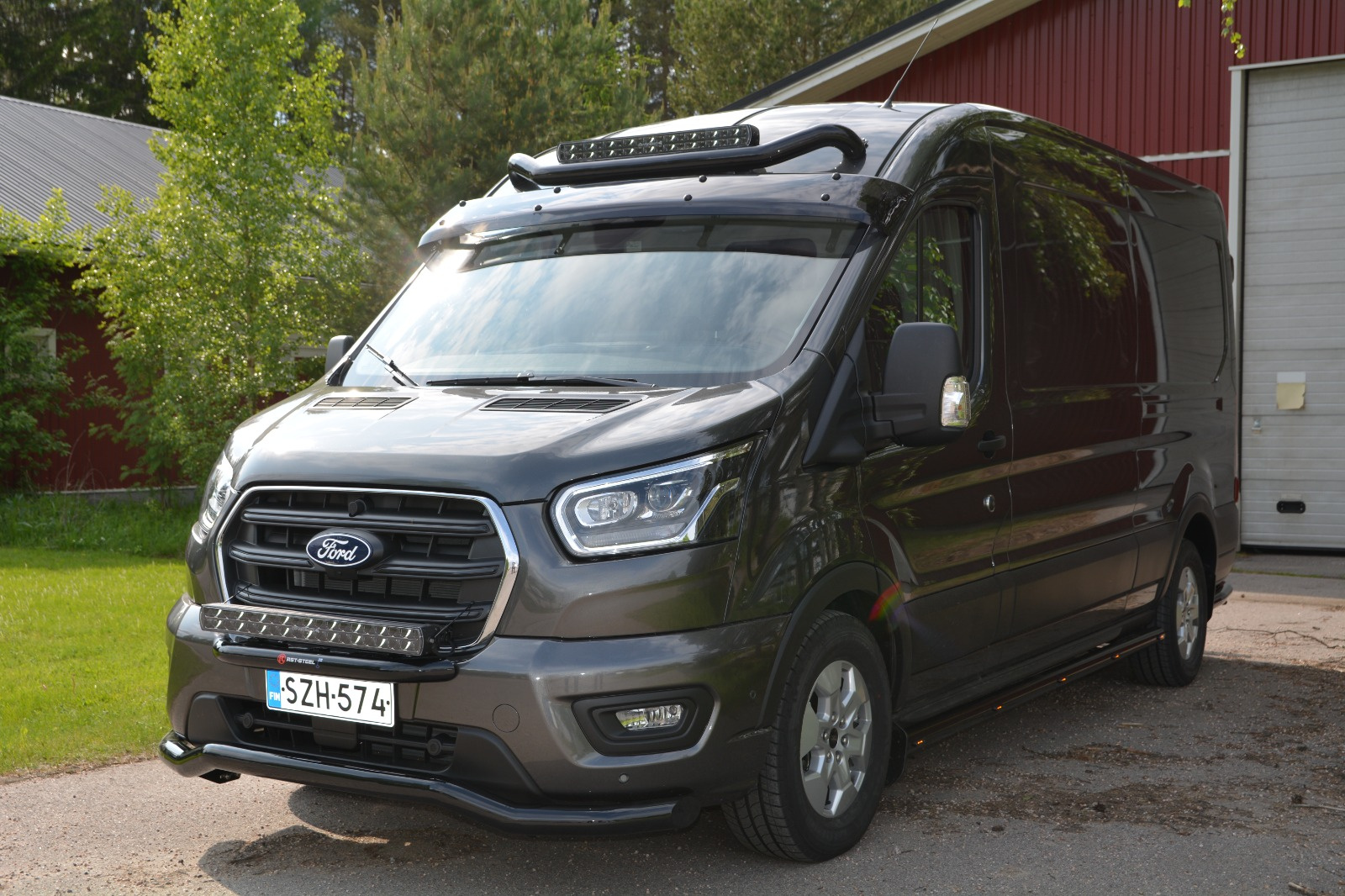
Choosing the right Kelvin value for auxiliary lights requires understanding how colour temperature affects visibility and safety. Kelvin ratings range from 2700K (warm yellow) to 8000K+ (cool blue), with 4000K-6000K providing optimal visibility for most driving conditions. The correct light temperature selection depends on your primary usage scenarios, weather conditions, and vehicle type. Professional drivers benefit from understanding these technical specifications to maximise safety and performance.
What is Kelvin temperature and why does it matter for auxiliary lights?
Kelvin temperature measures the colour temperature of light, ranging from warm yellow tones (2700K-3000K) to cool white and blue tones (5000K-8000K+). For auxiliary lighting, Kelvin values directly impact visibility, eye strain, and safety performance. Lower Kelvin ratings produce warmer, more yellow light that penetrates fog and rain effectively, while higher ratings create cooler, whiter light that enhances contrast and detail recognition.
The relationship between the Kelvin scale and vehicle lights affects how your eyes perceive road conditions and potential hazards. Warm light (3000K-4000K) reduces glare from wet surfaces and provides comfortable viewing during extended driving periods. Cool white light (5000K-6500K) offers superior colour recognition and contrast, making it ideal for identifying road signs, obstacles, and lane markings. Understanding this relationship helps professional drivers select auxiliary light colour temperatures that match their specific operational requirements.
Light temperature selection also influences driver fatigue and concentration levels. Warmer temperatures reduce eye strain during night driving, while cooler temperatures help maintain alertness and provide better peripheral vision. The optimal choice balances enhanced visibility with comfort, ensuring sustained performance throughout long driving sessions.
Which Kelvin range provides the best visibility for different driving conditions?
Highway driving performs best with 5000K-6000K auxiliary lights, providing excellent contrast and long-distance visibility. Off-road conditions benefit from 4000K-5000K for balanced performance, while fog and rain situations require 3000K-4000K for superior penetration. Urban environments work well with 4500K-5500K to balance street lighting compatibility with enhanced visibility.
For highway and motorway driving, the 5000K-6000K range delivers optimal performance by enhancing road sign visibility and improving depth perception at high speeds. This Kelvin-rated auxiliary light configuration reduces eye strain while maintaining alertness during extended journeys. The cooler white light provides superior contrast against asphalt surfaces and helps identify lane markings more effectively.
Off-road and rural driving conditions benefit from the 4000K-5000K range, offering versatility across varying terrain and weather. This temperature range provides adequate penetration through dust and light precipitation while maintaining good colour recognition for identifying natural obstacles and choosing the correct path. This balanced approach reduces fatigue during challenging driving conditions.
Adverse weather conditions, particularly fog, rain, and snow, require warmer 3000K-4000K lighting. These lower Kelvin values penetrate atmospheric moisture more effectively, reducing light scatter and improving forward visibility. Professional drivers operating frequently in challenging weather should prioritise this range for primary auxiliary lighting systems.
How do different auxiliary light brands compare in Kelvin options and quality?
Lazer Lamps offers premium 4000K-6000K options with exceptional build quality and precise colour consistency. Purelux and OZZ provide reliable mid-range solutions across 3000K-6000K with good price-quality ratios. Optibeam delivers budget-friendly 4000K-5000K options that maintain acceptable performance standards for cost-conscious applications.
Lazer Lamps represents the premium tier of professional auxiliary lights, featuring advanced LED technology and precise Kelvin-rated vehicle light calibration. Their offerings typically include 4000K, 5000K, and 6000K options with minimal colour variation and superior light output consistency. The build quality ensures long-term Kelvin stability, maintaining colour temperature accuracy throughout the product lifecycle.
Purelux and OZZ occupy the mid-range market segment, providing reliable vehicle light temperature options with solid performance characteristics. These brands offer broader Kelvin ranges, typically spanning 3000K to 6000K, allowing greater flexibility in application selection. The price-quality ratio makes them attractive for professional drivers seeking dependable performance without premium pricing.
Optibeam serves the budget-conscious market while maintaining acceptable quality standards. Their auxiliary lighting Kelvin options focus on the most practical 4000K-5000K range, providing versatile performance for general applications. While lacking some premium features, they deliver reliable basic functionality suitable for occasional use or fleet applications requiring cost-effective solutions.
What factors should professional drivers consider when selecting light temperature?
Vehicle type, primary usage scenarios, and legal requirements form the foundation of light temperature selection. Commercial vehicles benefit from versatile 4000K-5000K ranges, while specialist applications may require specific Kelvin values. Compatibility with existing lighting systems and long-term durability ensures optimal returns on investment for professional applications.
Vehicle type considerations include mounting positions, electrical system capacity, and operational environment. Heavy commercial vehicles can accommodate higher-output systems across broader Kelvin ranges, while lighter vehicles may require more focused selections. Integration with existing headlight and auxiliary systems affects overall lighting balance and effectiveness.
Primary usage scenarios determine optimal vehicle lighting colour selection. Long-haul drivers benefit from eye-strain-reducing 4000K-5000K options, while construction and emergency services may require specific temperatures for operational visibility. Understanding your typical operating conditions guides appropriate Kelvin value selection for maximum safety and efficiency.
Legal requirements vary by jurisdiction and vehicle classification, affecting permissible Kelvin ranges and installation configurations. Professional auxiliary lights must comply with local regulations while providing operational benefits. Long-term durability factors include LED lifespan, colour stability, and maintenance requirements, ensuring sustained performance throughout the investment period.
Selecting an appropriate auxiliary light colour temperature enhances safety, reduces fatigue, and improves operational efficiency for professional drivers. Whether choosing premium Lazer solutions, reliable mid-range options, or cost-effective alternatives, understanding Kelvin values ensures optimal performance. For expert guidance on professional auxiliary light selection and installation, we provide comprehensive consultation services to match your specific operational requirements with the most suitable lighting solutions.
Related Posts
Can Sun Visors be adjusted to different positions?
Yes — truck sun visors adjust in multiple ways. Here’s what every professional driver should know.

Which Cabin Outside accessories should be installed on a truck?
Protect your truck and improve safety with the right cabin exterior accessories for professional drivers.
How does Cabin Inside affect driver well-being?
Poor cabin ergonomics silently drains driver alertness — discover which interior accessories make the biggest difference on long hauls.
Which seat covers are suitable for professional use?
Not all seat covers handle daily cab life. Find out which materials and features truly meet professional standards.
Which Work Light Bars are the most efficient on a truck?
Not all truck light bars are equal — discover which specs, beam patterns, and ratings truly deliver on the job.
Can Work Light Bars be used on public roads?
Work light bars are illegal on EU public roads — here’s what every professional truck driver must know.
Can Front Spoiler Bars be repaired after damage?
Damaged front spoiler bar? Discover repair methods, assessment tips, and when replacement beats repair costs.
Which Front Spoiler Bars withstand impacts best?
Not all front spoiler bars survive real-world punishment — material grade, weld quality, and bracket engineering make all the difference.
How do Front Spoiler Bars affect a truck’s air resistance?
Front spoiler bars do more than manage airflow — discover their real aerodynamic impact and practical benefits for truck drivers.

When should Wheel Covers be replaced?
Damaged truck wheel covers risk costly rim repairs and road safety hazards — here’s exactly when to replace them.
How should Wheel Covers be cleaned effectively?
Brake dust, road salt, wrong cleaner — discover the step-by-step wheel cover cleaning routine that protects your rims long-term.
Which lights work best on a Roof Bar?
LED vs halogen, beam patterns, and key specs — find the best roof bar lights for professional trucks.
Which Front Bars fit different truck models?
Discover which stainless steel front bars fit major European truck models — and how to choose the right one.
How should Cabin Inside cleaning be carried out professionally?
Master professional truck cabin cleaning with the right tools, techniques, and schedules every driver needs.
How can Cabin Inside lighting be improved?
Discover how the right truck cabin lighting reduces driver fatigue and transforms your cab into a productive workspace.
Which Front Spoiler Bars are suitable for city driving?
Protect your truck’s front bumper in city traffic — discover which front spoiler bars handle urban hazards best.
What are Front Spoiler Bars on a truck?
Discover how front spoiler bars shield truck bumpers from real-world hazards — reducing costly downtime and repair bills.
Is a Bull Bar mandatory on a truck?
Bull bars aren’t mandatory on trucks — but here’s why professional drivers treat them as essential.


 English
  Swedish
  Norwegian