
Why are auxiliary lights an investment, not an expense?
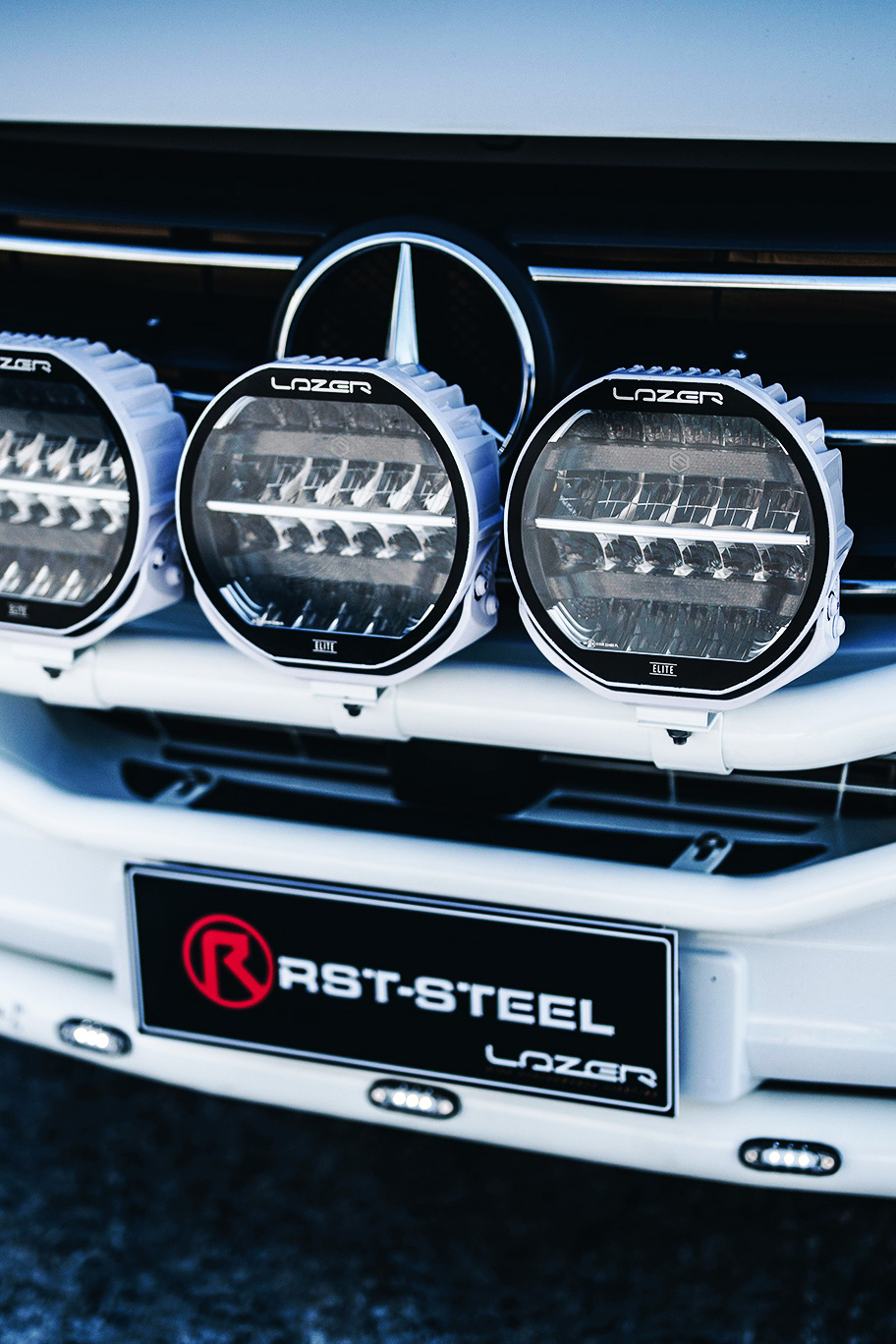
Auxiliary lights represent a strategic investment rather than a simple expense for professional drivers because they deliver measurable safety improvements, operational efficiency gains, and long-term cost savings. Quality vehicle lighting systems reduce accident risks, extend operational hours, and protect valuable cargo while enhancing driver confidence in challenging conditions. This comprehensive analysis addresses the key financial and safety considerations that make auxiliary lights essential professional equipment.
What makes auxiliary lights a worthwhile investment for professional drivers?
Auxiliary lights provide enhanced visibility that directly translates into improved safety margins and operational efficiency for professional drivers. Quality lighting systems reduce accident risks by illuminating road hazards, wildlife, and obstacles well beyond standard headlight range. This extended visibility allows for better reaction times and more confident navigation during dawn, dusk, and night operations.
Professional driving safety benefits extend beyond basic illumination. Enhanced visibility systems help drivers maintain consistent speeds in challenging conditions, reducing fatigue and stress during long hauls. The improved lighting also protects cargo value by enabling safer navigation around loading areas, construction zones, and rural routes where standard lighting proves inadequate.
Long-term cost savings emerge through reduced insurance claims, fewer vehicle incidents, and extended operational hours. Professional drivers can work more efficiently in low-light conditions, completing deliveries safely that might otherwise require delays. Investment in quality auxiliary lights often pays for itself through improved productivity and reduced risk exposure.
How do different auxiliary light price ranges compare in terms of value?
Auxiliary light pricing reflects significant differences in performance, durability, and long-term value across budget, mid-range, and premium categories. Understanding these distinctions helps professional drivers choose lighting solutions that match their operational needs and budget constraints while maximising return on investment.
Optibeam represents the budget-friendly option with reliable performance for standard professional driving needs. These lights offer solid illumination patterns and reasonable durability at accessible price points. They work well for drivers requiring basic visibility enhancement without premium features or extreme durability requirements.
Mid-range solutions, including Purelux and OZZ, deliver excellent value through balanced performance and durability. These systems provide superior light output compared with budget options while maintaining reasonable pricing. They suit professional drivers who need reliable performance across varied conditions without premium pricing.
Lazer Lamps represent the premium category with exceptional performance characteristics and maximum durability. These work lights feature advanced optical designs, superior build quality, and extended operational lifespans. Professional drivers operating in demanding conditions benefit from the enhanced reliability and performance that justify the higher initial investment through reduced replacement costs and superior functionality.
What are the hidden costs of not investing in quality auxiliary lighting?
Poor visibility conditions without adequate auxiliary lighting create substantial hidden costs through increased accident risks, insurance implications, and operational inefficiencies. These costs often exceed the investment required for quality lighting systems, making inadequate lighting an expensive false economy for professional drivers.
Accident costs represent the most significant hidden expense. Even minor incidents involving poor visibility can result in vehicle damage, cargo loss, schedule delays, and increased insurance premiums. Professional drivers face liability exposure when inadequate lighting contributes to accidents, potentially affecting their driving records and employment opportunities.
Operational efficiency suffers without proper auxiliary lights. Drivers must reduce speeds, take longer routes, or delay operations during low-light conditions. These productivity losses accumulate over time, reducing earning potential and competitive advantage. The stress and fatigue from driving with poor visibility also impact driver health and job satisfaction.
Frequent replacement costs for inferior lighting solutions create ongoing expenses that exceed initial savings. Cheap lights often fail prematurely, requiring repeated purchases and installation time. The cumulative cost of multiple replacements, combined with reduced performance, makes budget lighting more expensive than investing in quality systems initially.
How do you calculate the return on investment for auxiliary lights?
Calculating auxiliary light ROI involves evaluating safety cost avoidance, operational efficiency gains, equipment longevity, and professional reputation benefits. This framework helps professional drivers make informed decisions about lighting investments based on their specific operational requirements and risk profiles.
Safety cost avoidance represents the primary ROI component. Quality auxiliary lights reduce accident probability, potentially saving thousands in vehicle damage, insurance deductibles, and liability costs. Even preventing one minor incident often justifies the entire lighting investment. Professional drivers should consider their route conditions, schedule demands, and historical incident rates when calculating potential savings.
Operational efficiency gains include extended working hours, maintained productivity in challenging conditions, and reduced stress-related costs. Calculate the value of additional operational time enabled by improved visibility, including potential overtime earnings and competitive advantages from reliable service delivery.
Equipment longevity varies significantly between lighting categories. Premium lights like Lazer Lamps may cost more initially but provide years of reliable service with minimal maintenance. Budget options require more frequent replacement, making total cost of ownership higher despite lower initial prices. We recommend evaluating the complete ownership cycle when comparing lighting investments.
Professional reputation benefits emerge through consistent, reliable service delivery regardless of conditions. Drivers with proper equipment can maintain schedules and safety standards that enhance their professional standing and earning potential. This reputation value, while harder to quantify, contributes significantly to long-term career success.
Quality auxiliary lights transform professional driving operations through improved safety, efficiency, and reliability. Investment in appropriate vehicle lighting systems pays dividends through reduced risks, enhanced productivity, and professional confidence. Contact us to explore lighting solutions that match your specific professional driving requirements and budget considerations.
Related Posts
What are Roof Bars on a truck?
Discover what truck roof bars do, which types suit your cab, and why proper installation matters for safety.
How are Roof Bars installed?
A complete guide to truck roof bar installation — covering mounting, wiring, and safety for professional drivers.
What is the difference between a Roof Bar and a Work Light Bar?
Roof bar or work light bar? Know the key differences to choose the right fit for your truck.
How many lights can be mounted on a Roof Bar?
Most truck roof bars hold 2–8 lights — but legal limits, cab width, and wiring matter more than you’d think.
What are Front Bars?
Discover how stainless steel front bars simplify auxiliary light installation and boost truck visibility on demanding roads.
Where are Front Bars mounted on a truck?
Truck front bars mount on the grille frame — not the chassis. Here’s what they do and why it matters.
How do Front Bars affect aerodynamics?
Discover how front bars disrupt truck airflow, raise fuel costs, and how smart design choices minimize the aerodynamic trade-off.
Why are Bird Nets necessary on trucks?
One cracked windshield costs more than a bird net — here’s why professional drivers install them first.
Are Front Bars approved for road use?
Find out if front bars are road-legal for trucks and what EU and Finnish compliance rules you must know.
How are Bird Nets installed on a truck?
Protect your windshield with a properly installed stainless steel bird net — here’s exactly how it’s done.
Which Bird Nets are the most durable?
Stainless steel bird nets outlast the rest — here’s how to choose the most durable option for your truck.
Can Bird Nets be used in all weather conditions?
Stainless steel truck bird nets handle every season — here’s what makes them truly all-weather reliable.
How can the Cabin Inside of a truck be improved?
Discover practical truck cabin upgrades that improve driver comfort, reduce fatigue, and boost daily performance.
What are Sun Visors on a truck?
Discover how exterior truck sun visors reduce dangerous glare and improve driver safety on long highway runs.
Which Roof Bars withstand harsh weather conditions best?
Grade 316 stainless steel roof bars outperform the rest in harsh Nordic conditions — here’s exactly why.
How do Sun Visors improve driving comfort?
Discover how a truck sun visor reduces glare, prevents driver fatigue, and improves road safety on every long haul.
Which Sun Visors are best suited for professional use?
Not all sun visors are built for professional demands — here’s what separates purpose-built truck visors from the rest.
Can Sun Visors be adjusted to different positions?
Yes — truck sun visors adjust in multiple ways. Here’s what every professional driver should know.
Which Cabin Outside accessories should be installed on a truck?
Protect your truck and improve safety with the right cabin exterior accessories for professional drivers.
How does Cabin Inside affect driver well-being?
Poor cabin ergonomics silently drains driver alertness — discover which interior accessories make the biggest difference on long hauls.
Which seat covers are suitable for professional use?
Not all seat covers handle daily cab life. Find out which materials and features truly meet professional standards.
Which Work Light Bars are the most efficient on a truck?
Not all truck light bars are equal — discover which specs, beam patterns, and ratings truly deliver on the job.
Can Work Light Bars be used on public roads?
Work light bars are illegal on EU public roads — here’s what every professional truck driver must know.
Can Front Spoiler Bars be repaired after damage?
Damaged front spoiler bar? Discover repair methods, assessment tips, and when replacement beats repair costs.
Which Front Spoiler Bars withstand impacts best?
Not all front spoiler bars survive real-world punishment — material grade, weld quality, and bracket engineering make all the difference.
How do Front Spoiler Bars affect a truck’s air resistance?
Front spoiler bars do more than manage airflow — discover their real aerodynamic impact and practical benefits for truck drivers.
When should Wheel Covers be replaced?
Damaged truck wheel covers risk costly rim repairs and road safety hazards — here’s exactly when to replace them.
How should Wheel Covers be cleaned effectively?
Brake dust, road salt, wrong cleaner — discover the step-by-step wheel cover cleaning routine that protects your rims long-term.
Which lights work best on a Roof Bar?
LED vs halogen, beam patterns, and key specs — find the best roof bar lights for professional trucks.
Which Front Bars fit different truck models?
Discover which stainless steel front bars fit major European truck models — and how to choose the right one.
How should Cabin Inside cleaning be carried out professionally?
Master professional truck cabin cleaning with the right tools, techniques, and schedules every driver needs.
How can Cabin Inside lighting be improved?
Discover how the right truck cabin lighting reduces driver fatigue and transforms your cab into a productive workspace.
Which Front Spoiler Bars are suitable for city driving?
Protect your truck’s front bumper in city traffic — discover which front spoiler bars handle urban hazards best.
What are Front Spoiler Bars on a truck?
Discover how front spoiler bars shield truck bumpers from real-world hazards — reducing costly downtime and repair bills.
Is a Bull Bar mandatory on a truck?
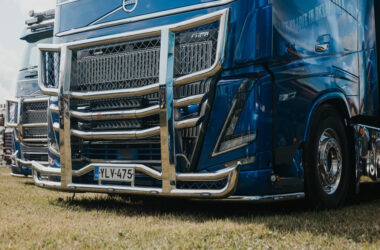
Bull bars aren’t mandatory on trucks — but here’s why professional drivers treat them as essential.


 English
  Swedish
  Norwegian