
Which Lazer light works best with a wide beam pattern?
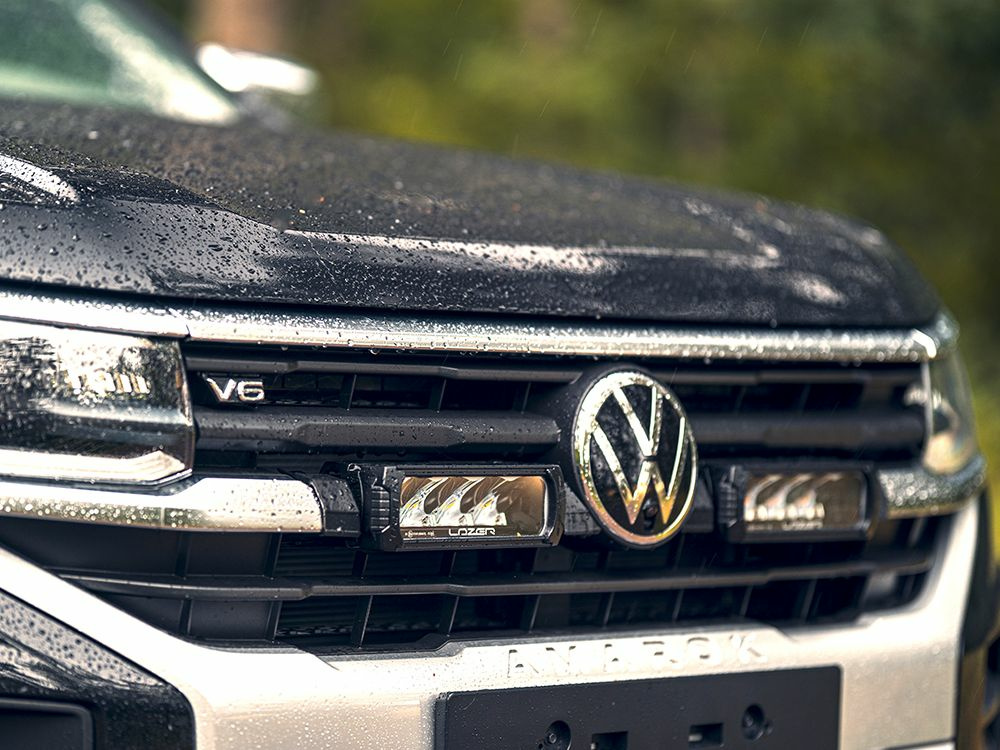
The Lazer Linear series offers the best wide beam pattern for professional driving applications, featuring a precise flood-spot combination with excellent lateral coverage. The Glide series provides similar wide beam capabilities with enhanced aesthetic appeal, while both models deliver superior wide-angle illumination compared to spot-focused alternatives. Understanding beam pattern characteristics helps professional drivers select the optimal auxiliary lighting solution for maximum road coverage and safety.
What defines a wide beam pattern in Lazer auxiliary lights?
A wide beam pattern combines flood and spot lighting elements to provide extensive lateral coverage alongside distance illumination. Lazer lamps’ wide flood beam patterns typically feature a bright central spot beam for long-distance visibility, with dispersed flood lighting at the edges for comprehensive road shoulder illumination.
Professional auxiliary lighting systems measure beam patterns in degrees of coverage. Wide-pattern LED lights generally provide 60–90 degrees of horizontal spread, significantly broader than pure spot beams, which focus on 10–30 degree patterns. This wider distribution ensures professional driving lights illuminate road edges, verges, and potential hazards that narrow beams might miss.
The flood beam component creates even light distribution across the wide coverage area, preventing dark spots that could hide obstacles or wildlife. High-quality wide beam auxiliary lights balance this broad coverage with sufficient central intensity to maintain effective forward visibility at professional driving speeds.
Which Lazer light series offer the best wide beam coverage?
The Lazer Linear series delivers exceptional wide beam coverage through its precisely engineered combination beam pattern, specifically designed for roof-mounting applications. These E-approved auxiliary lights feature a comprehensive flood-spot hybrid that provides excellent lateral illumination while maintaining strong central beam intensity for distance visibility.
Lazer Glide wide beam models offer similarly impressive coverage with enhanced aesthetic appeal through their modern, streamlined design. The Glide series incorporates innovative single-row amber/white parking light functionality alongside the wide beam pattern, making them ideal for front-mounted installations where style matters.
The T Evolution series provides wide coverage optimised for off-road applications, featuring carefully designed reflector surfaces that distribute light effectively from the vehicle’s front edge. This series excels in close-range illumination scenarios where immediate wide coverage takes priority over extreme distance projection.
How do you choose between Lazer Glide and Linear for wide beam applications?
Choose Lazer Linear for roof-mounting applications requiring maximum wide beam performance and regulatory compliance. The Linear series offers superior beam precision through its low-profile design and E-approval certification, making it perfect for professional drivers operating in mixed traffic conditions where road lighting regulations matter.
Select Lazer Glide for front-mounting scenarios where aesthetic integration matters alongside wide beam performance. The Glide series provides comparable wide coverage with enhanced visual appeal through its modern housing design and distinctive parking light feature. This series works excellently for both front and roof installations.
Consider installation space constraints when choosing between these series. Linear models excel in confined mounting spaces due to their compact profile, while Glide lights offer greater mounting flexibility. Power consumption remains similar between both series, with Elite versions providing double the light output for applications requiring maximum illumination intensity.
What installation considerations affect wide beam light performance?
Mounting height significantly influences wide beam light performance, with optimal positioning typically 1.2–1.5 metres above ground level. This height maximises the effective coverage area while preventing excessive glare for oncoming traffic. Professional vehicle lighting installations require careful angle adjustment to achieve proper beam distribution.
Horizontal positioning affects coverage patterns, with wider spacing between multiple lights creating more comprehensive illumination. Centre-mounted single units work well for general wide coverage, while paired installations provide enhanced peripheral visibility for professional driving applications requiring maximum road awareness.
Electrical considerations include ensuring adequate alternator capacity and proper wiring gauge for sustained high-power operation. Lazer lamps’ wide-angle systems draw significant current, particularly Elite models with enhanced output. Professional installations benefit from dedicated switching circuits and appropriate fusing to protect both the lights and the vehicle’s electrical systems.
Proper beam angle adjustment optimises the wide pattern distribution for specific vehicle heights and driving conditions. Most professional drivers achieve the best results with slight downward angling to maximise road surface coverage while maintaining effective distance illumination through the central spot beam component.
Professional drivers seeking optimal wide beam auxiliary lighting performance will find Lazer’s Linear and Glide series offer exceptional coverage capabilities backed by Finnish engineering excellence. We stock the complete range of Lazer auxiliary lights, with expert installation services to ensure your professional lighting setup delivers maximum safety and performance benefits. For personalised guidance on selecting the ideal wide beam solution for your specific vehicle and driving requirements, contact our technical team for expert recommendations.
Related Posts

What are Roof Bars on a truck?
Discover what truck roof bars do, which types suit your cab, and why proper installation matters for safety.
How are Roof Bars installed?
A complete guide to truck roof bar installation — covering mounting, wiring, and safety for professional drivers.
What is the difference between a Roof Bar and a Work Light Bar?
Roof bar or work light bar? Know the key differences to choose the right fit for your truck.
How many lights can be mounted on a Roof Bar?
Most truck roof bars hold 2–8 lights — but legal limits, cab width, and wiring matter more than you’d think.
What are Front Bars?
Discover how stainless steel front bars simplify auxiliary light installation and boost truck visibility on demanding roads.
Where are Front Bars mounted on a truck?
Truck front bars mount on the grille frame — not the chassis. Here’s what they do and why it matters.
How do Front Bars affect aerodynamics?
Discover how front bars disrupt truck airflow, raise fuel costs, and how smart design choices minimize the aerodynamic trade-off.
Why are Bird Nets necessary on trucks?
One cracked windshield costs more than a bird net — here’s why professional drivers install them first.
Are Front Bars approved for road use?
Find out if front bars are road-legal for trucks and what EU and Finnish compliance rules you must know.
How are Bird Nets installed on a truck?
Protect your windshield with a properly installed stainless steel bird net — here’s exactly how it’s done.
Which Bird Nets are the most durable?
Stainless steel bird nets outlast the rest — here’s how to choose the most durable option for your truck.
Can Bird Nets be used in all weather conditions?
Stainless steel truck bird nets handle every season — here’s what makes them truly all-weather reliable.
How can the Cabin Inside of a truck be improved?
Discover practical truck cabin upgrades that improve driver comfort, reduce fatigue, and boost daily performance.
What are Sun Visors on a truck?
Discover how exterior truck sun visors reduce dangerous glare and improve driver safety on long highway runs.
Which Roof Bars withstand harsh weather conditions best?
Grade 316 stainless steel roof bars outperform the rest in harsh Nordic conditions — here’s exactly why.
How do Sun Visors improve driving comfort?
Discover how a truck sun visor reduces glare, prevents driver fatigue, and improves road safety on every long haul.
Which Sun Visors are best suited for professional use?
Not all sun visors are built for professional demands — here’s what separates purpose-built truck visors from the rest.
Can Sun Visors be adjusted to different positions?
Yes — truck sun visors adjust in multiple ways. Here’s what every professional driver should know.
Which Cabin Outside accessories should be installed on a truck?
Protect your truck and improve safety with the right cabin exterior accessories for professional drivers.
How does Cabin Inside affect driver well-being?
Poor cabin ergonomics silently drains driver alertness — discover which interior accessories make the biggest difference on long hauls.
Which seat covers are suitable for professional use?
Not all seat covers handle daily cab life. Find out which materials and features truly meet professional standards.
Which Work Light Bars are the most efficient on a truck?
Not all truck light bars are equal — discover which specs, beam patterns, and ratings truly deliver on the job.
Can Work Light Bars be used on public roads?
Work light bars are illegal on EU public roads — here’s what every professional truck driver must know.
Can Front Spoiler Bars be repaired after damage?
Damaged front spoiler bar? Discover repair methods, assessment tips, and when replacement beats repair costs.
Which Front Spoiler Bars withstand impacts best?
Not all front spoiler bars survive real-world punishment — material grade, weld quality, and bracket engineering make all the difference.
How do Front Spoiler Bars affect a truck’s air resistance?
Front spoiler bars do more than manage airflow — discover their real aerodynamic impact and practical benefits for truck drivers.

When should Wheel Covers be replaced?
Damaged truck wheel covers risk costly rim repairs and road safety hazards — here’s exactly when to replace them.
How should Wheel Covers be cleaned effectively?
Brake dust, road salt, wrong cleaner — discover the step-by-step wheel cover cleaning routine that protects your rims long-term.
Which lights work best on a Roof Bar?
LED vs halogen, beam patterns, and key specs — find the best roof bar lights for professional trucks.
Which Front Bars fit different truck models?
Discover which stainless steel front bars fit major European truck models — and how to choose the right one.
How should Cabin Inside cleaning be carried out professionally?
Master professional truck cabin cleaning with the right tools, techniques, and schedules every driver needs.
How can Cabin Inside lighting be improved?
Discover how the right truck cabin lighting reduces driver fatigue and transforms your cab into a productive workspace.
Which Front Spoiler Bars are suitable for city driving?
Protect your truck’s front bumper in city traffic — discover which front spoiler bars handle urban hazards best.
What are Front Spoiler Bars on a truck?
Discover how front spoiler bars shield truck bumpers from real-world hazards — reducing costly downtime and repair bills.
Is a Bull Bar mandatory on a truck?
Bull bars aren’t mandatory on trucks — but here’s why professional drivers treat them as essential.


 English
  Swedish
  Norwegian