
Can a bull bar be repaired after a collision, or does it need to be replaced?
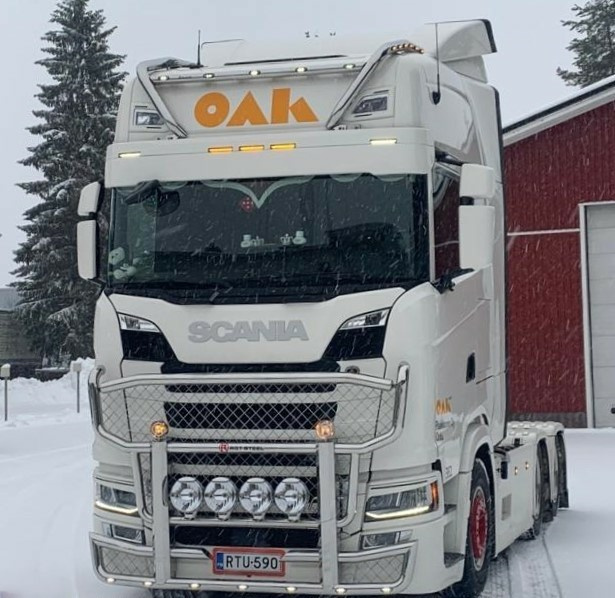
Whether a bull bar can be repaired after a collision depends on the extent and type of damage sustained. Minor impacts causing surface scratches, small dents, or loose mounting bolts can often be repaired effectively. However, structural damage involving cracked welds, bent frames, or compromised mounting systems typically requires complete replacement to maintain safety standards and vehicle protection.
How do you assess whether a bull bar can be repaired after a collision?
Proper collision damage assessment requires a systematic inspection covering visual examination, structural integrity testing, and mounting system evaluation. Begin by examining the bull bar for visible deformation, cracks in welds, and any separation from mounting points. Check for bent tubes, twisted brackets, or gaps where components should align perfectly.
The structural integrity assessment involves testing the bull bar’s rigidity and checking for hidden damage. Apply gentle pressure to different sections while looking for unusual movement or flexing. Pay particular attention to weld joints, which often fail first during impacts. Any cracking or separation in these critical connection points indicates that replacement is necessary.
Mounting point examination is crucial for safety considerations. Inspect where the bull bar connects to your vehicle’s chassis or bumper mounting points. Look for elongated bolt holes, cracked mounting brackets, or damage to the vehicle’s structure itself. These mounting systems must remain completely secure to provide effective protection during future impacts.
Professional assessment becomes essential when damage is not immediately obvious. Some structural compromises only become apparent under stress, making expert evaluation vital for commercial vehicle operators who depend on reliable crash damage repair and automotive safety equipment performance.
What types of bull bar damage can actually be repaired versus requiring replacement?
Repairable damage typically includes surface-level issues like minor scratches, small dents that have not compromised structural integrity, and loose mounting hardware. Paint damage, minor corrosion, and bent auxiliary light brackets can often be addressed through professional repair services without affecting the bull bar’s protective capabilities.
The Freeway series, being the most robust option for heavy commercial vehicles, can often withstand minor impacts with repairable damage. Small dents in the outer tubes or scratched powder coating can be addressed through professional bodywork and refinishing. Similarly, Dakar models designed for specific vehicle applications may sustain repairable damage to non-structural components like step plates or light mounting points.
Replacement becomes necessary when structural deformation affects the bull bar’s protective function. Cracked welds, bent main support tubes, or twisted mounting brackets compromise the entire system’s integrity. The lighter Lite series, while offering excellent basic protection, may require replacement after impacts that heavier models could survive with repairs.
Compromised mounting systems always require immediate attention. When impact forces damage the connection points between the bull bar and the vehicle, replacement ensures continued vehicle equipment maintenance standards. Commercial vehicle protection depends on these systems functioning perfectly during subsequent impacts.
How much does bull bar repair cost compared to replacement?
Bull bar repair costs typically range from 20–40% of replacement costs for minor damage, including welding work, component replacement, and refinishing. However, extensive repairs approaching 60–70% of replacement costs make new installation more economical, particularly when considering long-term reliability and warranty coverage for professional drivers.
Repair expenses include labour for metalwork, welding services, powder coating or paint refinishing, and replacement of damaged auxiliary components. Simple repairs like reattaching loose mounting bolts or fixing minor scratches cost significantly less than structural welding or tube straightening. Professional assessment fees should be factored into repair calculations.
Full replacement costs encompass the new bull bar, professional installation, and often upgraded mounting hardware. While initially more expensive, replacement provides complete warranty coverage and ensures optimal protection levels. For fleet operators, the reliability of new equipment often justifies the additional investment over extensive repairs.
Long-term value considerations favour replacement when repair costs exceed half the price of new equipment. Professional drivers who depend on consistent vehicle protection benefit from the peace of mind that comes with new automotive safety equipment rather than repaired components that may fail under stress.
When evaluating bull bar repair versus replacement, professional assessment ensures you make the right choice for your vehicle’s protection needs. Our experienced team can evaluate collision damage and recommend the most cost-effective solution while maintaining the safety standards your commercial operations require. Contact us for expert bull bar inspection and professional guidance on maintaining your vehicle equipment.
Related Posts
What are Roof Bars on a truck?
Discover what truck roof bars do, which types suit your cab, and why proper installation matters for safety.
How are Roof Bars installed?
A complete guide to truck roof bar installation — covering mounting, wiring, and safety for professional drivers.
What is the difference between a Roof Bar and a Work Light Bar?
Roof bar or work light bar? Know the key differences to choose the right fit for your truck.
How many lights can be mounted on a Roof Bar?
Most truck roof bars hold 2–8 lights — but legal limits, cab width, and wiring matter more than you’d think.
What are Front Bars?
Discover how stainless steel front bars simplify auxiliary light installation and boost truck visibility on demanding roads.
Where are Front Bars mounted on a truck?
Truck front bars mount on the grille frame — not the chassis. Here’s what they do and why it matters.
How do Front Bars affect aerodynamics?
Discover how front bars disrupt truck airflow, raise fuel costs, and how smart design choices minimize the aerodynamic trade-off.
Why are Bird Nets necessary on trucks?
One cracked windshield costs more than a bird net — here’s why professional drivers install them first.
Are Front Bars approved for road use?
Find out if front bars are road-legal for trucks and what EU and Finnish compliance rules you must know.
How are Bird Nets installed on a truck?
Protect your windshield with a properly installed stainless steel bird net — here’s exactly how it’s done.
Which Bird Nets are the most durable?
Stainless steel bird nets outlast the rest — here’s how to choose the most durable option for your truck.
Can Bird Nets be used in all weather conditions?
Stainless steel truck bird nets handle every season — here’s what makes them truly all-weather reliable.
How can the Cabin Inside of a truck be improved?
Discover practical truck cabin upgrades that improve driver comfort, reduce fatigue, and boost daily performance.
What are Sun Visors on a truck?
Discover how exterior truck sun visors reduce dangerous glare and improve driver safety on long highway runs.
Which Roof Bars withstand harsh weather conditions best?
Grade 316 stainless steel roof bars outperform the rest in harsh Nordic conditions — here’s exactly why.
How do Sun Visors improve driving comfort?
Discover how a truck sun visor reduces glare, prevents driver fatigue, and improves road safety on every long haul.
Which Sun Visors are best suited for professional use?
Not all sun visors are built for professional demands — here’s what separates purpose-built truck visors from the rest.
Can Sun Visors be adjusted to different positions?
Yes — truck sun visors adjust in multiple ways. Here’s what every professional driver should know.
Which Cabin Outside accessories should be installed on a truck?
Protect your truck and improve safety with the right cabin exterior accessories for professional drivers.
How does Cabin Inside affect driver well-being?
Poor cabin ergonomics silently drains driver alertness — discover which interior accessories make the biggest difference on long hauls.
Which seat covers are suitable for professional use?
Not all seat covers handle daily cab life. Find out which materials and features truly meet professional standards.
Which Work Light Bars are the most efficient on a truck?
Not all truck light bars are equal — discover which specs, beam patterns, and ratings truly deliver on the job.
Can Work Light Bars be used on public roads?
Work light bars are illegal on EU public roads — here’s what every professional truck driver must know.
Can Front Spoiler Bars be repaired after damage?
Damaged front spoiler bar? Discover repair methods, assessment tips, and when replacement beats repair costs.
Which Front Spoiler Bars withstand impacts best?
Not all front spoiler bars survive real-world punishment — material grade, weld quality, and bracket engineering make all the difference.
How do Front Spoiler Bars affect a truck’s air resistance?
Front spoiler bars do more than manage airflow — discover their real aerodynamic impact and practical benefits for truck drivers.
When should Wheel Covers be replaced?
Damaged truck wheel covers risk costly rim repairs and road safety hazards — here’s exactly when to replace them.
How should Wheel Covers be cleaned effectively?
Brake dust, road salt, wrong cleaner — discover the step-by-step wheel cover cleaning routine that protects your rims long-term.
Which lights work best on a Roof Bar?
LED vs halogen, beam patterns, and key specs — find the best roof bar lights for professional trucks.
Which Front Bars fit different truck models?
Discover which stainless steel front bars fit major European truck models — and how to choose the right one.
How should Cabin Inside cleaning be carried out professionally?
Master professional truck cabin cleaning with the right tools, techniques, and schedules every driver needs.
How can Cabin Inside lighting be improved?
Discover how the right truck cabin lighting reduces driver fatigue and transforms your cab into a productive workspace.
Which Front Spoiler Bars are suitable for city driving?
Protect your truck’s front bumper in city traffic — discover which front spoiler bars handle urban hazards best.
What are Front Spoiler Bars on a truck?
Discover how front spoiler bars shield truck bumpers from real-world hazards — reducing costly downtime and repair bills.
Is a Bull Bar mandatory on a truck?
Bull bars aren’t mandatory on trucks — but here’s why professional drivers treat them as essential.


 English
  Swedish
  Norwegian