
Can auxiliary lights be installed DIY, or should a professional do it?
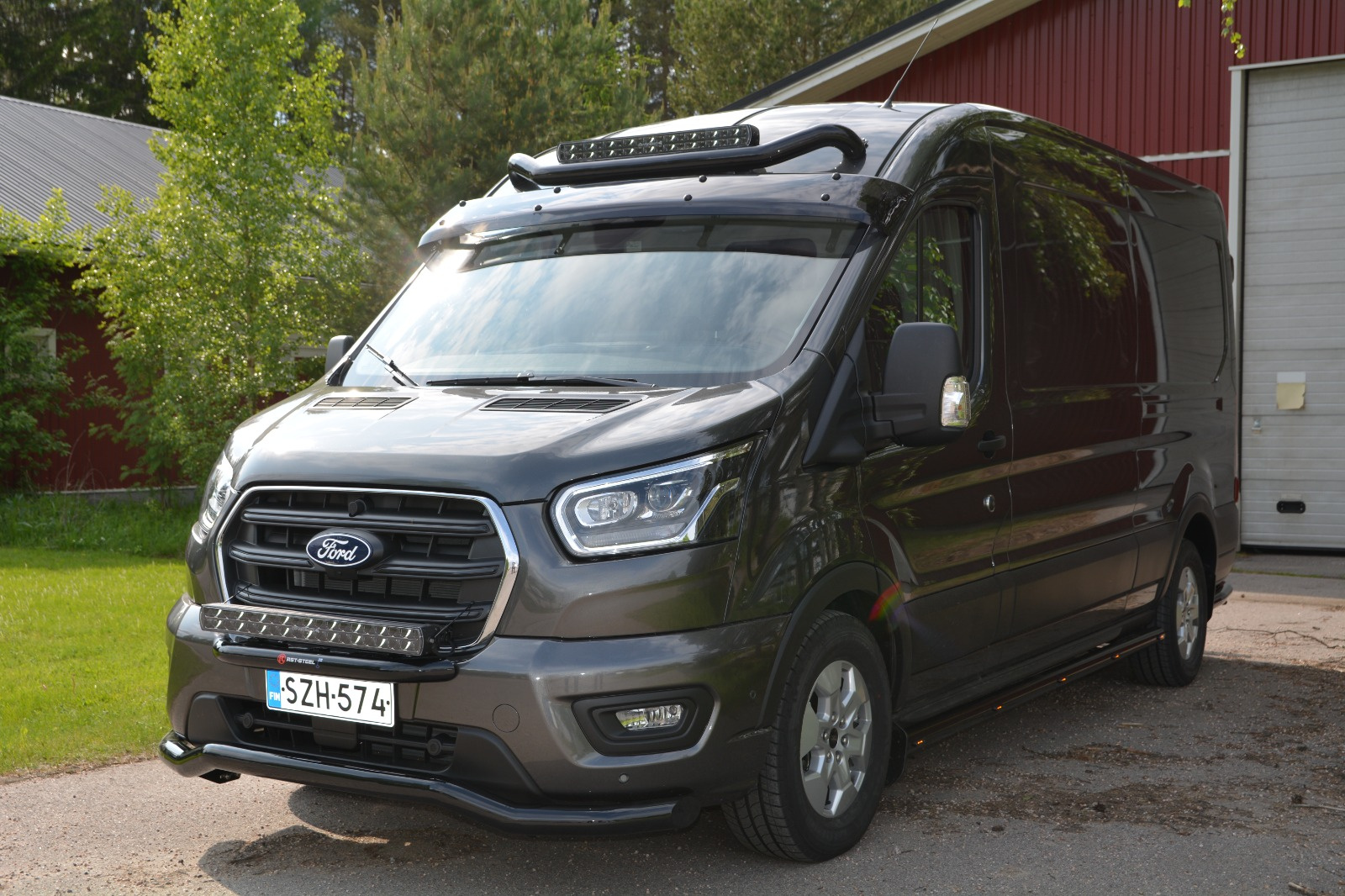
Auxiliary lights can be installed as a DIY project if you have electrical experience and the proper tools, but professional installation ensures safety, warranty protection, and legal compliance. DIY installation requires knowledge of automotive electrical work, proper mounting techniques, and wiring systems. Professional installation eliminates the risk of electrical damage and ensures optimal performance.
What are auxiliary lights and why do vehicles need them?
Auxiliary lights are additional lighting systems mounted on vehicles to improve visibility beyond standard headlights. They include work lights for job sites, fog lights for poor weather conditions, and driving lights for enhanced road illumination during night driving.
Professional drivers benefit significantly from auxiliary lighting installation because it reduces eye strain during long-haul journeys and improves safety when working in dark environments. Construction workers, farmers, and emergency service personnel rely on work lights to illuminate work areas effectively.
Everyday drivers find auxiliary lights valuable for recreational activities like camping, off-road driving, or navigating poorly lit rural roads. The enhanced visibility provided by quality auxiliary lighting can help prevent accidents and increase confidence during challenging driving conditions.
Different types of auxiliary lights serve specific purposes. Fog lights cut through mist and rain with wide, low beam patterns. Driving lights extend your range of vision on dark highways. Work lights flood large areas with bright illumination for stationary tasks.
What’s involved in auxiliary light installation and can you do it yourself?
Auxiliary light installation involves electrical wiring, mounting hardware, and switch integration with your vehicle’s electrical system. DIY installation requires basic automotive electrical knowledge, the proper tools, and an understanding of your vehicle’s wiring harness and fuse systems.
The technical requirements include running power cables from the battery, installing relays and fuses for circuit protection, mounting lights securely to withstand vibration, and connecting control switches inside the cabin. You’ll need wire strippers, electrical tape, mounting brackets, and possibly drilling equipment.
The complexity of vehicle lighting installation varies significantly between vehicles. Modern cars with complex electrical systems require more careful integration than older vehicles with simpler wiring. Some installations require professional-grade tools for accessing wiring harnesses behind dashboard panels.
Assessing your skill level is crucial. If you’re comfortable with basic electrical work and have successfully completed automotive modifications before, simple auxiliary light mounting might be manageable. However, complex installations involving multiple light circuits or integration with existing vehicle systems typically exceed DIY capabilities.
What are the risks of DIY auxiliary light installation versus professional installation?
DIY installation risks include electrical system damage, improper mounting leading to light failure, and potential warranty voidance on both the lights and vehicle electrical components. Professional installation provides proper circuit protection, secure mounting, and helps maintain manufacturer warranties.
Electrical system damage represents the most serious concern. Incorrect wiring can cause short circuits, blown fuses, or damage to expensive vehicle control modules. Automotive electrical work requires an understanding of proper gauge wiring, relay circuits, and fuse protection to prevent costly repairs.
Improper mounting creates safety hazards and performance issues. Inadequately secured lights can detach while driving, creating road hazards. Poor mounting also leads to excessive vibration, reducing light lifespan and beam stability.
Legal compliance varies by region, but many areas require proper auxiliary light installation to pass vehicle inspections. Professional installers understand local regulations regarding light positioning, brightness limits, and required switches or covers for road use.
Long-term reliability suffers with improper installation. Professional installations include proper weatherproofing, secure connections, and appropriate circuit protection that prevents premature failure and ensures optimal performance throughout the lights’ lifespan.
How do you choose the right auxiliary lights for your vehicle and budget?
Auxiliary light selection depends on intended use, vehicle type, and budget considerations. Premium options like Lazer Lamps offer superior performance and durability, while budget-friendly Optibeam lights provide cost-effective solutions for occasional use.
Lazer Lamps represent the premium category with exceptional build quality, advanced LED technology, and superior light output. These lights excel in demanding professional applications where reliability and performance justify the higher investment. Their robust construction withstands harsh conditions and provides years of dependable service.
Mid-range options like Purelux and OZZ offer excellent value, combining good performance with reasonable pricing. These lights suit most consumer applications and provide reliable service for recreational use, occasional work applications, and general visibility enhancement.
Optibeam lights serve budget-conscious consumers who need basic auxiliary lighting without premium features. While less robust than higher-end options, they provide adequate performance for light-duty applications and represent an accessible entry point into auxiliary lighting.
Matching lights to your specific needs involves considering usage frequency, environmental conditions, and performance requirements. Heavy-duty professional use demands premium reliability, while occasional recreational use can be well served by more affordable options.
When you’re ready to explore professional auxiliary lighting installation, we offer comprehensive consultation and installation services. Our experienced team can help you select the right lights for your vehicle and ensure proper installation that maximizes performance while maintaining safety and warranty protection.
Related Posts
Can Sun Visors be adjusted to different positions?
Yes — truck sun visors adjust in multiple ways. Here’s what every professional driver should know.

Which Cabin Outside accessories should be installed on a truck?
Protect your truck and improve safety with the right cabin exterior accessories for professional drivers.
How does Cabin Inside affect driver well-being?
Poor cabin ergonomics silently drains driver alertness — discover which interior accessories make the biggest difference on long hauls.
Which seat covers are suitable for professional use?
Not all seat covers handle daily cab life. Find out which materials and features truly meet professional standards.
Which Work Light Bars are the most efficient on a truck?
Not all truck light bars are equal — discover which specs, beam patterns, and ratings truly deliver on the job.
Can Work Light Bars be used on public roads?
Work light bars are illegal on EU public roads — here’s what every professional truck driver must know.
Can Front Spoiler Bars be repaired after damage?
Damaged front spoiler bar? Discover repair methods, assessment tips, and when replacement beats repair costs.
Which Front Spoiler Bars withstand impacts best?
Not all front spoiler bars survive real-world punishment — material grade, weld quality, and bracket engineering make all the difference.
How do Front Spoiler Bars affect a truck’s air resistance?
Front spoiler bars do more than manage airflow — discover their real aerodynamic impact and practical benefits for truck drivers.

When should Wheel Covers be replaced?
Damaged truck wheel covers risk costly rim repairs and road safety hazards — here’s exactly when to replace them.
How should Wheel Covers be cleaned effectively?
Brake dust, road salt, wrong cleaner — discover the step-by-step wheel cover cleaning routine that protects your rims long-term.
Which lights work best on a Roof Bar?
LED vs halogen, beam patterns, and key specs — find the best roof bar lights for professional trucks.
Which Front Bars fit different truck models?
Discover which stainless steel front bars fit major European truck models — and how to choose the right one.
How should Cabin Inside cleaning be carried out professionally?
Master professional truck cabin cleaning with the right tools, techniques, and schedules every driver needs.
How can Cabin Inside lighting be improved?
Discover how the right truck cabin lighting reduces driver fatigue and transforms your cab into a productive workspace.
Which Front Spoiler Bars are suitable for city driving?
Protect your truck’s front bumper in city traffic — discover which front spoiler bars handle urban hazards best.
What are Front Spoiler Bars on a truck?
Discover how front spoiler bars shield truck bumpers from real-world hazards — reducing costly downtime and repair bills.
Is a Bull Bar mandatory on a truck?
Bull bars aren’t mandatory on trucks — but here’s why professional drivers treat them as essential.


 English
  Swedish
  Norwegian