
Do auxiliary lights help on dark rural roads?
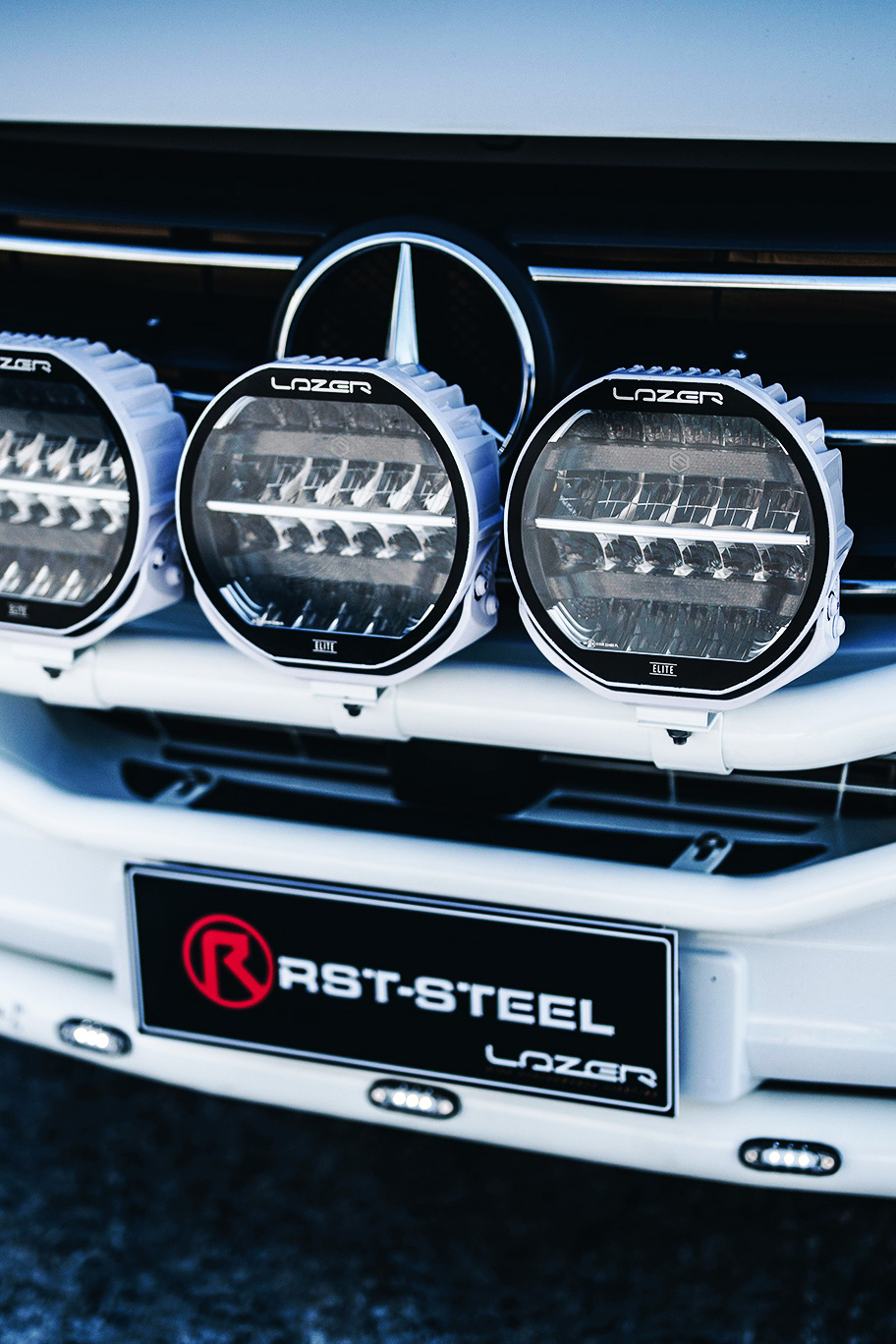
Auxiliary lights significantly improve safety on dark rural roads by extending the visibility range beyond standard headlights. Professional drivers benefit from enhanced hazard detection, reduced eye strain, and better reaction times when navigating unlit country roads. Quality auxiliary lighting systems can illuminate obstacles, wildlife, and road conditions that standard headlights may miss, making night driving substantially safer.
What are auxiliary lights and why do professional drivers need them on rural roads?
Auxiliary lights are additional lighting systems mounted on vehicles to supplement standard headlights with enhanced illumination. These include LED light bars, spotlights, and work lights designed to extend the visibility range and improve light distribution patterns.
Professional drivers operating on dark rural roads face unique challenges that standard vehicle lighting cannot adequately address. Rural environments often lack street lighting, creating visibility gaps that can conceal hazards such as wildlife, fallen branches, or changes in the road surface. Auxiliary lights fill these gaps by providing broader beam patterns and extended reach.
The operational safety benefits for professional drivers include earlier detection of road hazards, improved depth perception in challenging conditions, and reduced driver fatigue from eye strain. Commercial vehicles often require wider illumination patterns due to their size and the need to monitor road edges, making auxiliary lighting essential for safe navigation through rural areas.
How do auxiliary lights improve safety and visibility on unlit country roads?
Auxiliary lights enhance safety by providing superior light output, optimized beam patterns, and an extended visibility range compared with standard headlights. Modern LED systems can illuminate objects 200–300 metres ahead, giving drivers crucial extra reaction time.
The technical advantages include focused beam patterns that reduce glare while maximizing useful light distribution. Wide flood beams illuminate road edges and potential hazards in peripheral vision areas, while spot beams extend forward visibility for early obstacle detection. This combination addresses the specific challenges of unlit rural roads, where standard headlights can create dangerous visibility gaps.
Safety improvements manifest through earlier wildlife detection, better assessment of road surfaces, and reduced eye strain during extended night driving. Professional drivers report significantly increased confidence when navigating unfamiliar rural routes, particularly during adverse weather conditions when visibility becomes even more critical for safe operation.
What’s the difference between premium and budget auxiliary lighting options?
Premium auxiliary lights such as Lazer Lamps offer superior performance, durability, and advanced optical engineering, while budget options such as Optibeam provide basic functionality at accessible price points. Mid-range solutions such as Purelux and OZZ balance performance with value.
Lazer Lamps represent the premium tier, with exceptional build quality, advanced LED technology, and precision-engineered optics. These lights deliver maximum light output, consistent performance in harsh conditions, and extended operational life. The investment reflects superior materials, rigorous testing standards, and optimized beam patterns for professional applications.
Mid-range options such as Purelux and OZZ provide excellent value for professional drivers seeking reliable performance without premium pricing. These systems offer solid construction, good light output, and dependable operation suitable for regular commercial use.
Budget-friendly Optibeam solutions serve cost-conscious professional drivers with basic auxiliary lighting functionality. While not matching premium performance levels, these lights provide meaningful visibility improvements over standard headlights at accessible price points, making enhanced safety available to more operators.
How do you choose the right auxiliary lighting setup for your commercial vehicle?
Choosing appropriate auxiliary lights requires considering vehicle type, typical driving conditions, budget constraints, and specific operational requirements. The right setup balances performance needs with practical installation and maintenance considerations.
Vehicle-specific factors include mounting locations, electrical system capacity, and aerodynamic considerations. Larger commercial vehicles can accommodate more extensive lighting systems, while smaller vehicles require compact solutions that maintain efficiency. Consider beam pattern requirements based on typical routes and operating conditions.
Technical specifications matter significantly for professional applications. Evaluate light output measured in lumens, beam distance, and pattern coverage. Integration with existing vehicle systems should maintain electrical system integrity while providing reliable switching and control options.
Installation considerations include mounting hardware compatibility, weatherproofing requirements, and maintenance accessibility. Professional installation ensures optimal performance and compliance with vehicle equipment regulations. We offer comprehensive installation services alongside our range of auxiliary lighting solutions, ensuring seamless integration from consultation through implementation.
Quality auxiliary lights transform night driving safety on rural roads. Whether choosing premium Lazer Lamps for maximum performance or cost-effective Optibeam solutions for essential visibility enhancement, the right auxiliary lighting setup provides professional drivers with the confidence and safety needed for challenging rural conditions. Contact us today to discuss your specific auxiliary lighting requirements and find the perfect solution for your commercial vehicle needs.


 English
  Swedish
  Norwegian