
How does a bull bar affect vehicle aerodynamics?
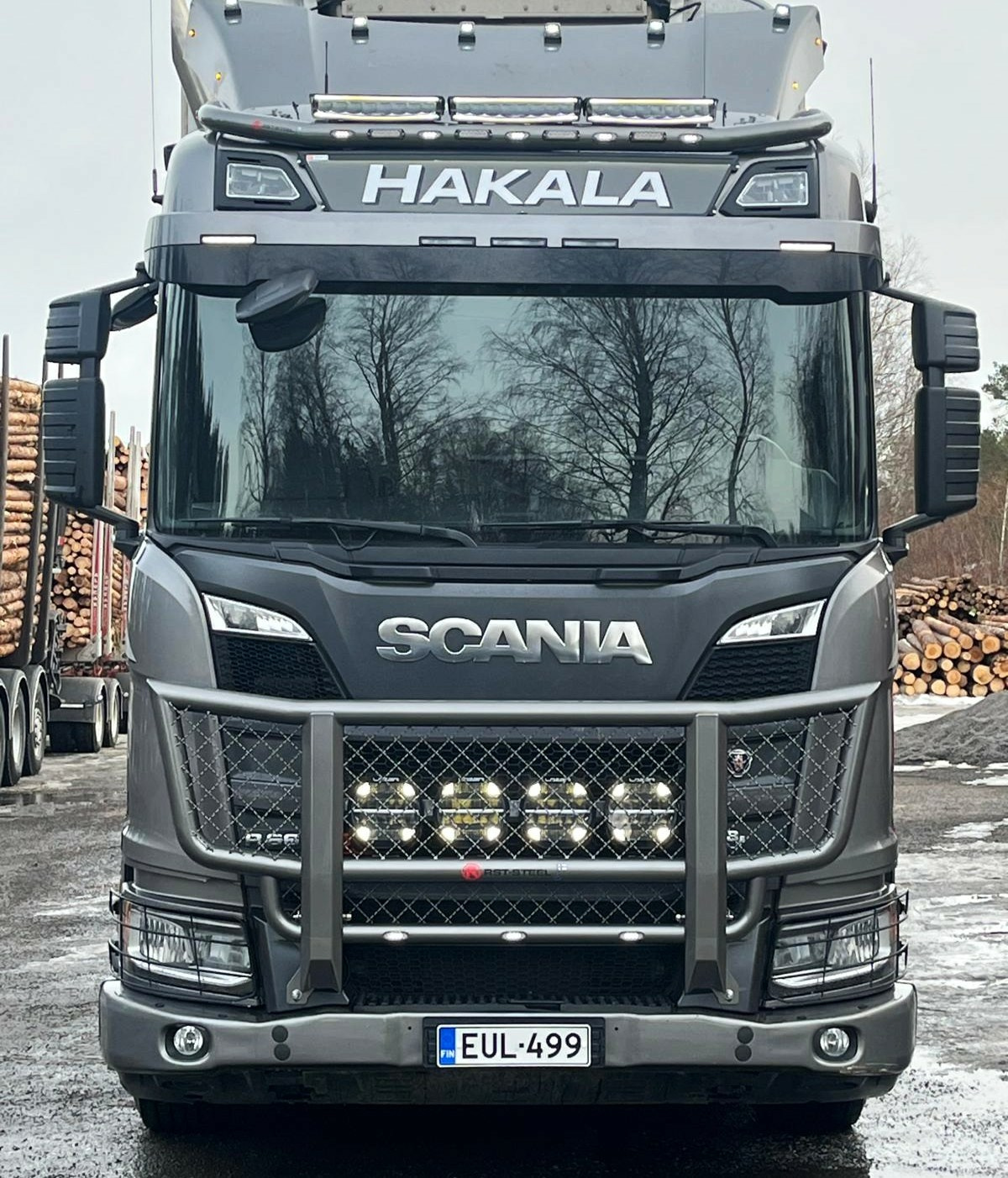
A bull bar significantly affects a vehicle’s aerodynamics by increasing air resistance and altering the flow of air. The impact on fuel consumption is at its largest 3–8 percent depending on driving speed and the design of the bull bar. For professional drivers, the most important thing is to weigh the safety benefits against the aerodynamic drawbacks in an overall economic assessment.
What does aerodynamics mean in a vehicle and why is it important?
Vehicle aerodynamics refers to the movement of air around the vehicle and its effect on the vehicle’s characteristics. Air resistance increases quadratically as speed increases, which makes aerodynamics an especially important factor for fuel economy at higher driving speeds.
For professional drivers, the aerodynamics of a truck directly affect operating costs. When the vehicle’s air resistance decreases, the engine needs less power to maintain a constant speed. This is reflected tangibly in the fuel bill, especially on long trips and highway driving.
Aerodynamic drag is created when a vehicle pushes air in front of it and creates turbulence behind it. The smoother and more streamlined the shape of the vehicle is, the less energy is required to overcome air resistance.
How does a bull bar change the vehicle’s airflow?
A bull bar breaks the streamlined shape of the front of the vehicle and creates new points where turbulence forms. It acts like an obstacle to the airflow, forcing the air to move inefficiently around it instead of flowing smoothly along the sides of the vehicle.
The change in airflow caused by the bull bar is especially visible in the pressure zones. A high-pressure area forms in front of the bar, which directly increases the air resistance on the front of the vehicle. At the same time, a low-pressure turbulent zone forms behind the bar, which weakens the overall aerodynamics of the vehicle.
The airflow around a truck changes significantly when a bull bar cuts off the smooth air stream. This effect is greater the more massive and angular the design of the bull bar is.
How much does a bull bar affect fuel consumption?
A bull bar typically increases fuel consumption by 3–8 percent depending on the size of the vehicle, the model of the bar, and driving speed. The effect is smallest in urban driving and greatest in steady highway driving at speeds above 80 km/h.
Driving speed is the decisive factor. When the speed increases from 80 kilometers per hour to 100 kilometers per hour, the additional fuel consumption caused by the bull bar can almost double due to the quadratic increase in air resistance.
In road traffic aerodynamics, this means in practice that long-distance drivers notice the effect much more clearly than those who drive short trips. The aerodynamics of a truck become especially emphasized when driving empty, as the vehicle’s mass is lower in relation to air resistance.
When are the aerodynamic drawbacks of a bull bar acceptable?
The aerodynamic drawbacks of a bull bar are acceptable when the safety and protection benefits outweigh the costs caused by increased fuel consumption. For professional drivers, an overall economic assessment is the most decisive factor in decision-making.
Especially in heavy-duty use, such as construction sites or forest roads, a bull bar protects the front of the vehicle from expensive damage. Repair costs can easily exceed years of additional fuel consumption. For professional drivers, a bull bar is often a necessary investment to preserve the value of the vehicle.
A professional appearance of the vehicle can also bring business benefits that compensate for aerodynamic disadvantages. RST-Steel’s road-approved bull bars offer an optimal balance between safety and aerodynamics.
If you are considering purchasing a bull bar for your vehicle, explore our selection and find the solution that suits your vehicle by combining safety and practicality. Our knowledgeable sales staff will help you choose the model that meets your specific needs. Contact us and speak with our experts!
Related Posts
Can Sun Visors be adjusted to different positions?
Yes — truck sun visors adjust in multiple ways. Here’s what every professional driver should know.
Which Cabin Outside accessories should be installed on a truck?
Protect your truck and improve safety with the right cabin exterior accessories for professional drivers.
How does Cabin Inside affect driver well-being?
Poor cabin ergonomics silently drains driver alertness — discover which interior accessories make the biggest difference on long hauls.
Which seat covers are suitable for professional use?
Not all seat covers handle daily cab life. Find out which materials and features truly meet professional standards.
Which Work Light Bars are the most efficient on a truck?
Not all truck light bars are equal — discover which specs, beam patterns, and ratings truly deliver on the job.
Can Work Light Bars be used on public roads?
Work light bars are illegal on EU public roads — here’s what every professional truck driver must know.
Can Front Spoiler Bars be repaired after damage?
Damaged front spoiler bar? Discover repair methods, assessment tips, and when replacement beats repair costs.
Which Front Spoiler Bars withstand impacts best?
Not all front spoiler bars survive real-world punishment — material grade, weld quality, and bracket engineering make all the difference.
How do Front Spoiler Bars affect a truck’s air resistance?
Front spoiler bars do more than manage airflow — discover their real aerodynamic impact and practical benefits for truck drivers.
When should Wheel Covers be replaced?
Damaged truck wheel covers risk costly rim repairs and road safety hazards — here’s exactly when to replace them.
How should Wheel Covers be cleaned effectively?
Brake dust, road salt, wrong cleaner — discover the step-by-step wheel cover cleaning routine that protects your rims long-term.
Which lights work best on a Roof Bar?
LED vs halogen, beam patterns, and key specs — find the best roof bar lights for professional trucks.
Which Front Bars fit different truck models?
Discover which stainless steel front bars fit major European truck models — and how to choose the right one.
How should Cabin Inside cleaning be carried out professionally?
Master professional truck cabin cleaning with the right tools, techniques, and schedules every driver needs.
How can Cabin Inside lighting be improved?
Discover how the right truck cabin lighting reduces driver fatigue and transforms your cab into a productive workspace.
Which Front Spoiler Bars are suitable for city driving?
Protect your truck’s front bumper in city traffic — discover which front spoiler bars handle urban hazards best.
What are Front Spoiler Bars on a truck?
Discover how front spoiler bars shield truck bumpers from real-world hazards — reducing costly downtime and repair bills.
Is a Bull Bar mandatory on a truck?
Bull bars aren’t mandatory on trucks — but here’s why professional drivers treat them as essential.


 English
  Swedish
  Norwegian