
How to recognize a high-quality bull bar?
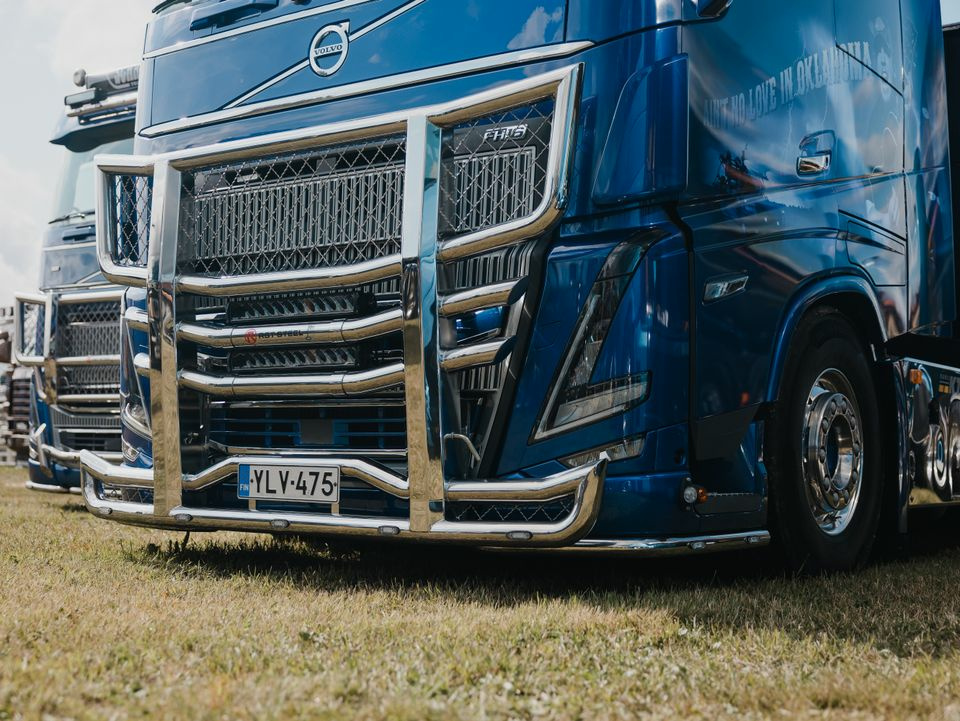
Recognizing a high-quality bull bar requires examining material composition, manufacturing standards, and regulatory compliance. Premium bull bars use marine-grade stainless steel with superior welding techniques and proper road approvals. Key indicators include structural integrity, certified safety standards, and manufacturing origin, which directly impact durability and legal compliance for commercial vehicle protection.
What makes a bull bar truly high-quality?
A truly high-quality bull bar is distinguished by marine-grade stainless steel construction and precision manufacturing techniques. The material should be at least 316-grade stainless steel, which offers superior corrosion resistance and structural integrity compared with standard alternatives. Quality welding creates seamless joints without visible defects or inconsistencies.
Manufacturing standards play a crucial role in determining longevity and performance. Premium bull bars feature consistent wall thickness throughout the structure, typically ranging from 3–5 mm depending on the design category. The surface finish should be uniform, with proper polishing or coating processes that protect against environmental damage.
Structural design principles separate quality products from basic alternatives. Look for reinforced mounting points that distribute impact forces effectively across the vehicle’s chassis. Quality bull bars incorporate strategic bend radii that maintain strength while providing optimal protective coverage for headlights and front-end components.
Durability factors include proper heat treatment during manufacturing and stress-relief processes that prevent metal fatigue. Quality indicators also encompass the precision of fitment components and hardware, ensuring secure installation without compromising vehicle safety systems.
How can you tell if a bull bar meets road safety regulations?
Road-approved bull bars carry official certification markings and documentation proving compliance with national safety standards. In Europe, look for ECE approval marks, while other regions have specific regulatory requirements. These markings are typically stamped or etched directly onto the product with corresponding certificate numbers.
Regulatory compliance involves rigorous testing procedures, including impact assessments and pedestrian safety evaluations. Approved bull bars undergo crash testing to ensure they do not compromise airbag deployment or crumple-zone effectiveness. The certification process also evaluates mounting system integrity and compatibility with vehicle safety features.
Identification markers for legitimate approvals include manufacturer details, approval numbers, and production dates. Genuine road-approved products come with comprehensive documentation outlining installation requirements and legal compliance specifications. This paperwork is essential for insurance purposes and roadside inspections.
Safety standards vary between commercial and passenger vehicles, with different requirements for weight categories and intended use. Professional drivers should verify that their chosen bull bar matches their vehicle’s specific approval category and operating requirements to maintain legal compliance.
What’s the difference between heavy-duty and standard bull bar designs?
Heavy-duty designs such as the Freeway series offer maximum protection with robust construction suitable for demanding commercial applications. These feature larger-diameter tubing, additional reinforcement bars, and comprehensive coverage extending beyond basic protection zones. They are engineered for vehicles operating in challenging environments or carrying valuable cargo.
The Dakar series represents a balanced approach, combining substantial protection with refined aesthetics. These designs are carefully tailored to specific vehicle models, ensuring optimal fitment while maintaining strong protection levels. The construction typically uses medium-weight materials that provide excellent durability without excessive bulk.
The Lite series offers fundamental protection with streamlined construction for lighter commercial use. These designs prioritize weight savings and cost-effectiveness while still delivering reliable front-end protection. They are ideal for urban delivery vehicles or applications where maximum protection is not the primary requirement.
Weight considerations affect fuel consumption and vehicle handling characteristics. Heavy-duty options may add 50–80 kg to the front end, while Lite versions typically add 20–35 kg. Vehicle compatibility varies significantly, with some designs requiring specific mounting modifications or reinforcement depending on the chosen protection level.
Why does the manufacturing origin matter when choosing a bull bar?
Manufacturing origin directly influences quality control processes and material sourcing standards. Countries with established automotive manufacturing traditions typically maintain stricter quality oversight and use superior raw materials. This translates to better dimensional accuracy, consistent welding quality, and reliable long-term performance.
Material sourcing standards vary significantly between manufacturing locations. Premium manufacturers source certified stainless steel from reputable suppliers with documented chemical composition and mechanical properties. This ensures consistent quality and performance characteristics across production batches.
Quality control processes in established manufacturing regions often include multiple inspection stages, from raw material verification to final product testing. These comprehensive procedures reduce defect rates and ensure products meet specified performance standards. Advanced manufacturing facilities also employ modern welding techniques and finishing processes.
Manufacturing location affects warranty support and product liability considerations. Local or regional manufacturers typically provide better after-sales service and easier access to replacement components. They also understand regional regulatory requirements and can provide appropriate certification documentation for legal compliance.
When selecting vehicle protection equipment, consider manufacturers with proven expertise in commercial vehicle accessories. Quality Finnish manufacturing, for instance, combines advanced metallurgy knowledge with an understanding of harsh operating conditions. For professional guidance on choosing the right bull bar for your specific requirements, contact experienced specialists who can match your vehicle’s needs with appropriate protection solutions.
Related Posts
What are Roof Bars on a truck?
Discover what truck roof bars do, which types suit your cab, and why proper installation matters for safety.
How are Roof Bars installed?
A complete guide to truck roof bar installation — covering mounting, wiring, and safety for professional drivers.
What is the difference between a Roof Bar and a Work Light Bar?
Roof bar or work light bar? Know the key differences to choose the right fit for your truck.
How many lights can be mounted on a Roof Bar?
Most truck roof bars hold 2–8 lights — but legal limits, cab width, and wiring matter more than you’d think.
What are Front Bars?
Discover how stainless steel front bars simplify auxiliary light installation and boost truck visibility on demanding roads.
Where are Front Bars mounted on a truck?
Truck front bars mount on the grille frame — not the chassis. Here’s what they do and why it matters.
How do Front Bars affect aerodynamics?
Discover how front bars disrupt truck airflow, raise fuel costs, and how smart design choices minimize the aerodynamic trade-off.
Why are Bird Nets necessary on trucks?
One cracked windshield costs more than a bird net — here’s why professional drivers install them first.
Are Front Bars approved for road use?
Find out if front bars are road-legal for trucks and what EU and Finnish compliance rules you must know.
How are Bird Nets installed on a truck?
Protect your windshield with a properly installed stainless steel bird net — here’s exactly how it’s done.
Which Bird Nets are the most durable?
Stainless steel bird nets outlast the rest — here’s how to choose the most durable option for your truck.
Can Bird Nets be used in all weather conditions?
Stainless steel truck bird nets handle every season — here’s what makes them truly all-weather reliable.
How can the Cabin Inside of a truck be improved?
Discover practical truck cabin upgrades that improve driver comfort, reduce fatigue, and boost daily performance.
What are Sun Visors on a truck?
Discover how exterior truck sun visors reduce dangerous glare and improve driver safety on long highway runs.
Which Roof Bars withstand harsh weather conditions best?
Grade 316 stainless steel roof bars outperform the rest in harsh Nordic conditions — here’s exactly why.
How do Sun Visors improve driving comfort?
Discover how a truck sun visor reduces glare, prevents driver fatigue, and improves road safety on every long haul.
Which Sun Visors are best suited for professional use?
Not all sun visors are built for professional demands — here’s what separates purpose-built truck visors from the rest.
Can Sun Visors be adjusted to different positions?
Yes — truck sun visors adjust in multiple ways. Here’s what every professional driver should know.
Which Cabin Outside accessories should be installed on a truck?
Protect your truck and improve safety with the right cabin exterior accessories for professional drivers.
How does Cabin Inside affect driver well-being?
Poor cabin ergonomics silently drains driver alertness — discover which interior accessories make the biggest difference on long hauls.
Which seat covers are suitable for professional use?
Not all seat covers handle daily cab life. Find out which materials and features truly meet professional standards.
Which Work Light Bars are the most efficient on a truck?
Not all truck light bars are equal — discover which specs, beam patterns, and ratings truly deliver on the job.
Can Work Light Bars be used on public roads?
Work light bars are illegal on EU public roads — here’s what every professional truck driver must know.
Can Front Spoiler Bars be repaired after damage?
Damaged front spoiler bar? Discover repair methods, assessment tips, and when replacement beats repair costs.
Which Front Spoiler Bars withstand impacts best?
Not all front spoiler bars survive real-world punishment — material grade, weld quality, and bracket engineering make all the difference.
How do Front Spoiler Bars affect a truck’s air resistance?
Front spoiler bars do more than manage airflow — discover their real aerodynamic impact and practical benefits for truck drivers.
When should Wheel Covers be replaced?
Damaged truck wheel covers risk costly rim repairs and road safety hazards — here’s exactly when to replace them.
How should Wheel Covers be cleaned effectively?
Brake dust, road salt, wrong cleaner — discover the step-by-step wheel cover cleaning routine that protects your rims long-term.
Which lights work best on a Roof Bar?
LED vs halogen, beam patterns, and key specs — find the best roof bar lights for professional trucks.
Which Front Bars fit different truck models?
Discover which stainless steel front bars fit major European truck models — and how to choose the right one.
How should Cabin Inside cleaning be carried out professionally?
Master professional truck cabin cleaning with the right tools, techniques, and schedules every driver needs.
How can Cabin Inside lighting be improved?
Discover how the right truck cabin lighting reduces driver fatigue and transforms your cab into a productive workspace.
Which Front Spoiler Bars are suitable for city driving?
Protect your truck’s front bumper in city traffic — discover which front spoiler bars handle urban hazards best.
What are Front Spoiler Bars on a truck?
Discover how front spoiler bars shield truck bumpers from real-world hazards — reducing costly downtime and repair bills.
Is a Bull Bar mandatory on a truck?
Bull bars aren’t mandatory on trucks — but here’s why professional drivers treat them as essential.


 English
  Swedish
  Norwegian