
Is It Allowed to Mount Auxiliary Lights on the Roof?
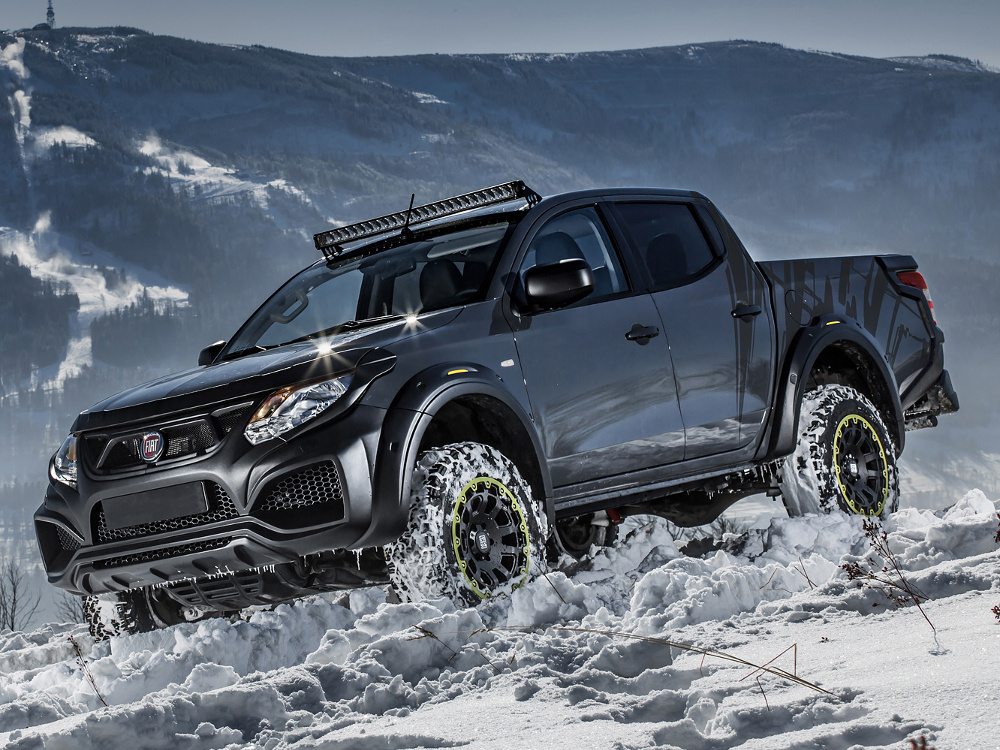
Auxiliary lights can be mounted on the car roof, but the installation must comply with traffic laws and regulations. Roof-mounted auxiliary lights must be installed safely and may only be used in specific situations. The right product selection and professional installation are key to achieving a legal and safe result.
Roof-mounted auxiliary lights – what the law says
Traffic law allows the installation of auxiliary lights on the vehicle roof, but their use is restricted. Auxiliary lights must not dazzle other road users, and they must be turned off when encountering oncoming traffic.
Roof-mounted auxiliary lights are primarily intended for off-road conditions and work tasks. On public roads, they may only be used when necessary to improve visibility in challenging conditions.
After installation, the vehicle may require registration if the modifications are significant. In addition, the insurance company must be informed about the changes.
Which auxiliary lights can be mounted on the car roof?
You can mount work lights, driving lights, and LED panel lights on the car roof. These lights are designed to improve visibility, especially in off-road conditions and work tasks.
Work lights are the most common roof-mounted auxiliary lights and provide a wide light distribution. Driving lights focus the light further ahead on a narrower area. LED panel lights combine both features in an efficient package.
Lazer Lamps products are an excellent choice for roof mounting. These premium auxiliary lights are designed for demanding Nordic conditions and come with a 5-year warranty.
How to install a roof-mounted auxiliary light safely
Safe installation of a roof-mounted auxiliary light begins with selecting the correct mounting location. The chosen spot must be strong enough to withstand the weight of the light and the stresses caused by driving dynamics.
Installation requires a drill, screws, seals, and electrical installation accessories. All holes must be carefully sealed to prevent moisture from entering the vehicle.
Electrical connections should be made through relays so that the light can be easily turned off. Wiring must be properly protected and securely fastened under the chassis.
What to consider when choosing a roof-mounted auxiliary light
The power and size of the auxiliary light for the roof are determined by the intended use. Higher power provides better illumination but consumes more electricity and requires a stronger mount.
The mounting method is a critical factor. Some lights attach directly to the roof, while others require a separate mounting bracket. The IP protection rating should be at least IP67 for Finnish conditions.
Quality brands such as Lazer Lamps offer durable aluminum construction and long warranty periods. These premium lights withstand demanding weather conditions well.
Key considerations for roof-mounted auxiliary lights
Roof-mounted auxiliary lights require careful planning and compliance with laws. The most important thing is to ensure that the installation is safe and does not endanger other road users.
Professional installation ensures the best result and longevity. If you are unsure of your skills, it is advisable to consult a professional.
Remember to notify your insurance company about modifications and check whether the installation requires official approval. This ensures that the vehicle lighting remains legal and safe.
Explore our range and contact us to find the auxiliary lights that best meet your needs.
Related Posts
Can Sun Visors be adjusted to different positions?
Yes — truck sun visors adjust in multiple ways. Here’s what every professional driver should know.

Which Cabin Outside accessories should be installed on a truck?
Protect your truck and improve safety with the right cabin exterior accessories for professional drivers.
How does Cabin Inside affect driver well-being?
Poor cabin ergonomics silently drains driver alertness — discover which interior accessories make the biggest difference on long hauls.
Which seat covers are suitable for professional use?
Not all seat covers handle daily cab life. Find out which materials and features truly meet professional standards.
Which Work Light Bars are the most efficient on a truck?
Not all truck light bars are equal — discover which specs, beam patterns, and ratings truly deliver on the job.
Can Work Light Bars be used on public roads?
Work light bars are illegal on EU public roads — here’s what every professional truck driver must know.
Can Front Spoiler Bars be repaired after damage?
Damaged front spoiler bar? Discover repair methods, assessment tips, and when replacement beats repair costs.
Which Front Spoiler Bars withstand impacts best?
Not all front spoiler bars survive real-world punishment — material grade, weld quality, and bracket engineering make all the difference.
How do Front Spoiler Bars affect a truck’s air resistance?
Front spoiler bars do more than manage airflow — discover their real aerodynamic impact and practical benefits for truck drivers.

When should Wheel Covers be replaced?
Damaged truck wheel covers risk costly rim repairs and road safety hazards — here’s exactly when to replace them.
How should Wheel Covers be cleaned effectively?
Brake dust, road salt, wrong cleaner — discover the step-by-step wheel cover cleaning routine that protects your rims long-term.
Which lights work best on a Roof Bar?
LED vs halogen, beam patterns, and key specs — find the best roof bar lights for professional trucks.
Which Front Bars fit different truck models?
Discover which stainless steel front bars fit major European truck models — and how to choose the right one.
How should Cabin Inside cleaning be carried out professionally?
Master professional truck cabin cleaning with the right tools, techniques, and schedules every driver needs.
How can Cabin Inside lighting be improved?
Discover how the right truck cabin lighting reduces driver fatigue and transforms your cab into a productive workspace.
Which Front Spoiler Bars are suitable for city driving?
Protect your truck’s front bumper in city traffic — discover which front spoiler bars handle urban hazards best.
What are Front Spoiler Bars on a truck?
Discover how front spoiler bars shield truck bumpers from real-world hazards — reducing costly downtime and repair bills.
Is a Bull Bar mandatory on a truck?
Bull bars aren’t mandatory on trucks — but here’s why professional drivers treat them as essential.


 English
  Swedish
  Norwegian