
What does the reference number of an auxiliary light actually mean?
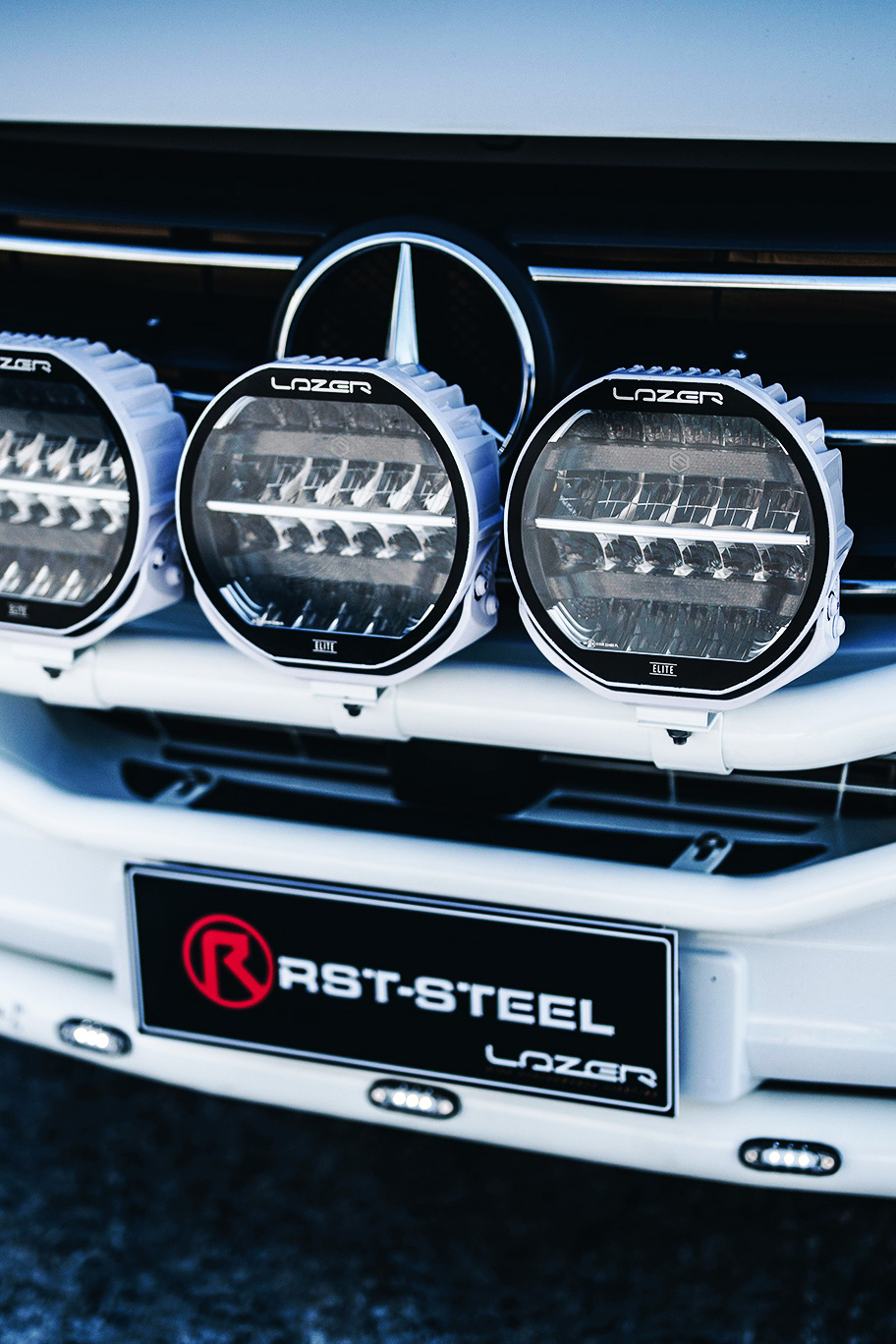
The auxiliary light reference number is a coded identifier that contains essential technical specifications, including power output, beam pattern, voltage requirements, and mounting details. These alphanumeric codes follow industry standards to help professional drivers quickly identify the exact performance characteristics and compatibility of lighting equipment. Understanding these reference systems ensures that you select the right auxiliary lighting specifications for your specific vehicle and operational requirements.
What does the reference number on auxiliary lights actually tell you?
Auxiliary light reference numbers encode critical performance data, including lumen output, beam angle, power consumption, and housing specifications, in a standardised format. Each segment of the reference code represents specific technical parameters that determine how the light will perform in real-world conditions.
The reference system typically breaks down into several components. The first section often indicates the manufacturer’s product line or series, while subsequent segments detail power ratings, beam patterns (spot, flood, or combination), and mounting configurations. For instance, a reference might specify whether the light produces a narrow 10-degree spot beam for long-distance illumination or a wide 60-degree flood pattern for area lighting.
Professional drivers benefit from understanding that reference numbers also indicate voltage compatibility, housing materials, and ingress protection ratings. This information prevents compatibility issues and ensures that the auxiliary lighting meets specific environmental requirements for different vehicle applications and operating conditions.
How do you decode auxiliary light specifications from reference numbers?
Decoding auxiliary light reference numbers involves interpreting each segment of the alphanumeric code to reveal lumen output, beam characteristics, voltage requirements, and construction specifications. Most manufacturers follow similar patterns, though specific formatting varies between brands.
Start by identifying the power rating, usually expressed in watts or lumens within the reference code. The beam pattern indicator typically follows, showing whether the light provides spot, flood, or combination output. Voltage specifications appear as numbers like 12, 24, or 12–24, indicating compatible electrical systems.
Housing and mounting information often appears as letter codes representing materials such as aluminium or polycarbonate, plus mounting styles such as bracket or flush-mount configurations. Protection ratings may be embedded as IP codes, indicating dust and water resistance levels crucial for professional vehicle applications.
Premium manufacturers like Lazer Lamps include detailed performance coding that specifies exact lumen output, colour temperature, and beam angles. Budget-friendly options like Optibeam use simplified numbering systems focusing on basic power and mounting specifications rather than detailed performance metrics.
What’s the difference between premium and budget auxiliary light reference systems?
Premium brands like Lazer Lamps use comprehensive reference systems that encode detailed performance specifications, while budget manufacturers like Optibeam employ simplified numbering focused on basic power and mounting information. The complexity of the reference system often reflects the sophistication of the product line.
High-end auxiliary lighting manufacturers provide reference numbers that specify exact lumen output, colour temperature, beam angles, and advanced features such as thermal management systems. These detailed codes help professional drivers select lights with precise performance characteristics for specific applications, whether long-haul transport or construction work.
Mid-range options like Purelux and OZZ balance detailed specifications with user-friendly reference systems. Their codes typically include essential performance data without overwhelming complexity, making them accessible while providing sufficient technical information for informed purchasing decisions.
Budget auxiliary light reference systems focus on fundamental specifications such as wattage and basic beam patterns. While simpler, these systems still provide the necessary information for cost-conscious professional drivers who need reliable lighting without premium features or detailed performance specifications.
Why should professional drivers care about auxiliary light reference numbers?
Professional drivers benefit from understanding auxiliary light reference numbers for fleet management efficiency, accurate replacement ordering, compliance verification, and performance optimisation across multiple vehicles. This knowledge prevents costly mistakes and ensures consistent lighting performance.
Fleet operations require standardised equipment for maintenance efficiency and driver familiarity. Reference numbers enable precise reordering of identical lights, ensuring consistent beam patterns and performance across all vehicles. This standardisation reduces training requirements and simplifies maintenance procedures.
Compliance verification becomes straightforward when reference numbers clearly indicate technical specifications. Professional drivers can quickly confirm that auxiliary lighting meets regulatory requirements for their specific applications, whether transport, construction, or emergency services.
Performance optimisation relies on matching light characteristics to operational needs. Understanding reference numbers helps drivers select appropriate combinations of spot and flood beams, ensuring optimal visibility for different driving conditions while avoiding unnecessary power consumption or glare issues.
At RST-Steel, we understand that professional drivers need reliable guidance when selecting auxiliary lighting. Our comprehensive range spans from premium Lazer Lamps with detailed performance specifications to cost-effective Optibeam solutions, ensuring that every professional driver finds suitable lighting equipment. Contact our technical team to discuss how proper auxiliary light selection can enhance your vehicle’s safety and operational efficiency.


 English
  Swedish
  Norwegian