
What is the best auxiliary light for frequent night driving?
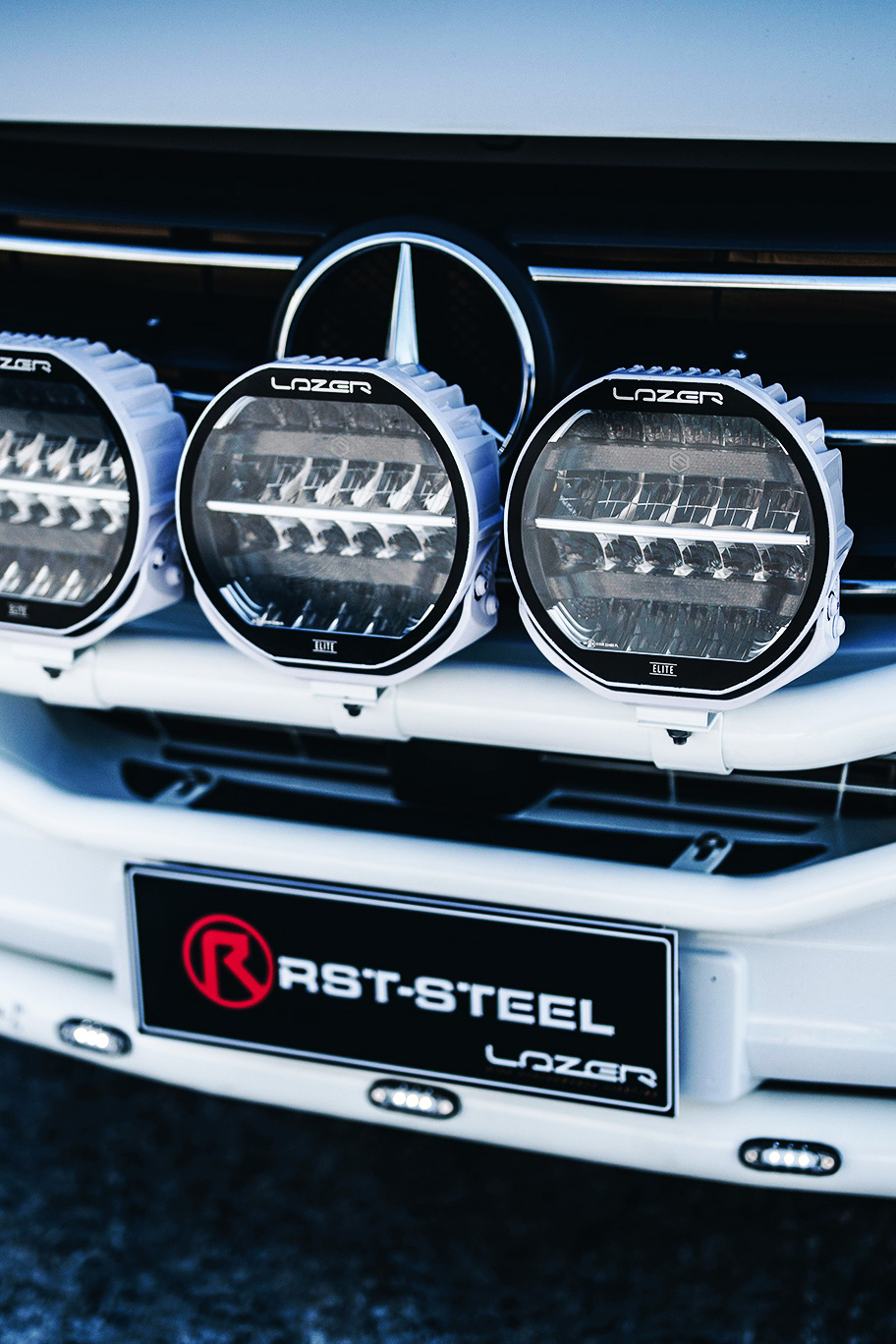
Professional drivers need auxiliary lights that deliver exceptional brightness, reliability, and durability for frequent night driving. LED work lights with high lumen output and proper beam patterns provide the best performance, with premium options like Lazer lights offering superior quality, while budget-friendly alternatives still deliver adequate safety improvements. The key is matching technical specifications to your specific driving conditions and vehicle requirements.
Why are auxiliary lights essential for professional night driving?
Auxiliary lights significantly improve road visibility beyond standard headlights, reducing eye strain and enhancing hazard detection during extended night operations. Professional drivers benefit from increased reaction time to obstacles, better peripheral vision, and reduced fatigue during long-distance journeys.
Commercial vehicles often operate in challenging conditions where standard lighting proves insufficient. Vehicle lighting systems designed for professional use illuminate road edges, spot potential hazards earlier, and provide consistent performance across varying weather conditions. This enhanced visibility directly translates to improved driving safety and operational efficiency.
The benefits extend beyond basic illumination. Quality auxiliary lights reduce the constant adjustment your eyes make between lit and unlit areas, preventing the fatigue that accumulates during frequent night driving. Professional drivers report better concentration and confidence when equipped with proper lighting solutions, particularly during adverse weather or on unfamiliar routes.
What are the key technical specifications to consider when choosing auxiliary lights?
Lumen output determines brightness levels, with professional applications typically requiring 2,000–10,000 lumens per light. Beam patterns (spot, flood, or combination) affect coverage area, while colour temperatures between 5,000–6,500 K provide optimal visibility. IP67 or IP68 ratings ensure weather resistance for commercial vehicle applications.
Power consumption impacts your vehicle’s electrical system, making efficient LED work lights the preferred choice for professional drivers. Modern LED auxiliary lights consume 20–50 watts while delivering superior brightness compared to traditional halogen alternatives. Proper mounting options ensure secure installation that withstands vibration and demanding road conditions.
Consider the beam distance and width based on your driving patterns. Spot beams project light further ahead for highway driving, while flood patterns illuminate wider areas for urban or construction environments. Many professional drivers benefit from combination beam patterns that balance distance and coverage for versatile applications.
How do different auxiliary light brands compare in terms of performance and value?
Lazer Lamps represents the premium tier with exceptional build quality, advanced optics, and superior performance characteristics. Mid-range options like Purelux and OZZ offer excellent value with reliable performance at moderate prices. Optibeam provides budget-friendly alternatives that deliver adequate functionality for cost-conscious professional drivers.
Lazer lights feature precision-engineered optics, robust aluminium housings, and advanced thermal management systems. These lights typically offer 5–10-year warranties and maintain consistent performance under demanding professional conditions. The higher initial investment delivers long-term value through reliability and performance.
Purelux and OZZ occupy the middle ground, combining quality components with competitive pricing. These brands offer solid construction, good optical performance, and reasonable warranties suitable for regular professional use. They represent the sweet spot for drivers seeking quality without premium pricing.
Optibeam focuses on affordability while maintaining acceptable quality standards. These lights suit budget-conscious operations or occasional night-driving applications. While they may lack the advanced features of premium brands, they provide a significant improvement over standard vehicle lighting at accessible price points.
What installation and maintenance considerations should professional drivers know?
Professional installation ensures proper electrical connections, appropriate mounting positions, and legal compliance with local regulations. Auxiliary lights require an adequate power supply, proper switching mechanisms, and secure mounting that withstands operational stresses. Regular cleaning and inspection maintain optimal performance and extend service life.
Electrical requirements include appropriate wiring gauge, relay systems, and fuse protection. Professional installation prevents voltage drops, ensures reliable operation, and maintains warranty coverage. Many commercial vehicles benefit from pre-wired auxiliary light packages that simplify installation while ensuring proper integration.
Maintenance involves regular lens cleaning, connection inspection, and housing checks for damage or moisture ingress. Quality auxiliary lights require minimal maintenance, but periodic attention ensures consistent performance. Replace damaged lenses promptly to maintain light output and prevent further deterioration.
Legal compliance varies by jurisdiction, with regulations covering mounting positions, brightness levels, and usage restrictions. Professional drivers should verify local requirements before installation and ensure auxiliary lights meet relevant standards for commercial vehicle applications.
Selecting the right auxiliary lights transforms night-driving safety and comfort for professional drivers. Quality lighting solutions reduce fatigue, improve hazard detection, and enhance overall operational efficiency. Whether choosing premium Lazer options or budget-friendly alternatives, proper specification matching and professional installation ensure optimal results. We offer comprehensive auxiliary light solutions with expert guidance to help professional drivers make informed decisions for their specific requirements.
Related Posts
What are Roof Bars on a truck?
Discover what truck roof bars do, which types suit your cab, and why proper installation matters for safety.
How are Roof Bars installed?
A complete guide to truck roof bar installation — covering mounting, wiring, and safety for professional drivers.
What is the difference between a Roof Bar and a Work Light Bar?
Roof bar or work light bar? Know the key differences to choose the right fit for your truck.
How many lights can be mounted on a Roof Bar?
Most truck roof bars hold 2–8 lights — but legal limits, cab width, and wiring matter more than you’d think.
What are Front Bars?
Discover how stainless steel front bars simplify auxiliary light installation and boost truck visibility on demanding roads.
Where are Front Bars mounted on a truck?
Truck front bars mount on the grille frame — not the chassis. Here’s what they do and why it matters.
How do Front Bars affect aerodynamics?
Discover how front bars disrupt truck airflow, raise fuel costs, and how smart design choices minimize the aerodynamic trade-off.
Why are Bird Nets necessary on trucks?
One cracked windshield costs more than a bird net — here’s why professional drivers install them first.
Are Front Bars approved for road use?
Find out if front bars are road-legal for trucks and what EU and Finnish compliance rules you must know.
How are Bird Nets installed on a truck?
Protect your windshield with a properly installed stainless steel bird net — here’s exactly how it’s done.
Which Bird Nets are the most durable?
Stainless steel bird nets outlast the rest — here’s how to choose the most durable option for your truck.
Can Bird Nets be used in all weather conditions?
Stainless steel truck bird nets handle every season — here’s what makes them truly all-weather reliable.
How can the Cabin Inside of a truck be improved?
Discover practical truck cabin upgrades that improve driver comfort, reduce fatigue, and boost daily performance.
What are Sun Visors on a truck?
Discover how exterior truck sun visors reduce dangerous glare and improve driver safety on long highway runs.
Which Roof Bars withstand harsh weather conditions best?
Grade 316 stainless steel roof bars outperform the rest in harsh Nordic conditions — here’s exactly why.
How do Sun Visors improve driving comfort?
Discover how a truck sun visor reduces glare, prevents driver fatigue, and improves road safety on every long haul.
Which Sun Visors are best suited for professional use?
Not all sun visors are built for professional demands — here’s what separates purpose-built truck visors from the rest.
Can Sun Visors be adjusted to different positions?
Yes — truck sun visors adjust in multiple ways. Here’s what every professional driver should know.
Which Cabin Outside accessories should be installed on a truck?
Protect your truck and improve safety with the right cabin exterior accessories for professional drivers.
How does Cabin Inside affect driver well-being?
Poor cabin ergonomics silently drains driver alertness — discover which interior accessories make the biggest difference on long hauls.
Which seat covers are suitable for professional use?
Not all seat covers handle daily cab life. Find out which materials and features truly meet professional standards.
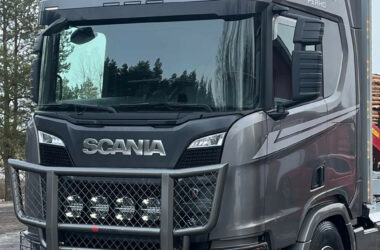
Which Work Light Bars are the most efficient on a truck?
Not all truck light bars are equal — discover which specs, beam patterns, and ratings truly deliver on the job.
Can Work Light Bars be used on public roads?
Work light bars are illegal on EU public roads — here’s what every professional truck driver must know.
Can Front Spoiler Bars be repaired after damage?
Damaged front spoiler bar? Discover repair methods, assessment tips, and when replacement beats repair costs.
Which Front Spoiler Bars withstand impacts best?
Not all front spoiler bars survive real-world punishment — material grade, weld quality, and bracket engineering make all the difference.
How do Front Spoiler Bars affect a truck’s air resistance?
Front spoiler bars do more than manage airflow — discover their real aerodynamic impact and practical benefits for truck drivers.
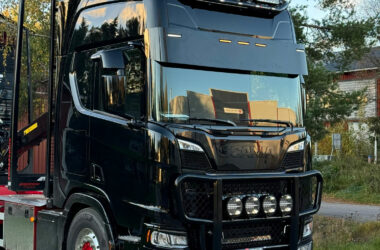
When should Wheel Covers be replaced?
Damaged truck wheel covers risk costly rim repairs and road safety hazards — here’s exactly when to replace them.
How should Wheel Covers be cleaned effectively?
Brake dust, road salt, wrong cleaner — discover the step-by-step wheel cover cleaning routine that protects your rims long-term.
Which lights work best on a Roof Bar?
LED vs halogen, beam patterns, and key specs — find the best roof bar lights for professional trucks.
Which Front Bars fit different truck models?
Discover which stainless steel front bars fit major European truck models — and how to choose the right one.
How should Cabin Inside cleaning be carried out professionally?
Master professional truck cabin cleaning with the right tools, techniques, and schedules every driver needs.
How can Cabin Inside lighting be improved?
Discover how the right truck cabin lighting reduces driver fatigue and transforms your cab into a productive workspace.
Which Front Spoiler Bars are suitable for city driving?
Protect your truck’s front bumper in city traffic — discover which front spoiler bars handle urban hazards best.
What are Front Spoiler Bars on a truck?
Discover how front spoiler bars shield truck bumpers from real-world hazards — reducing costly downtime and repair bills.
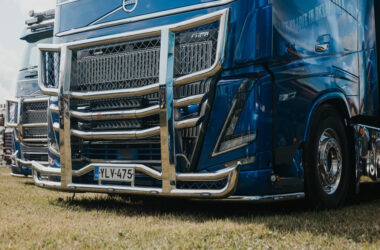
Is a Bull Bar mandatory on a truck?
Bull bars aren’t mandatory on trucks — but here’s why professional drivers treat them as essential.


 English
  Swedish
  Norwegian