
What Is the Purpose of a Bull Bar?
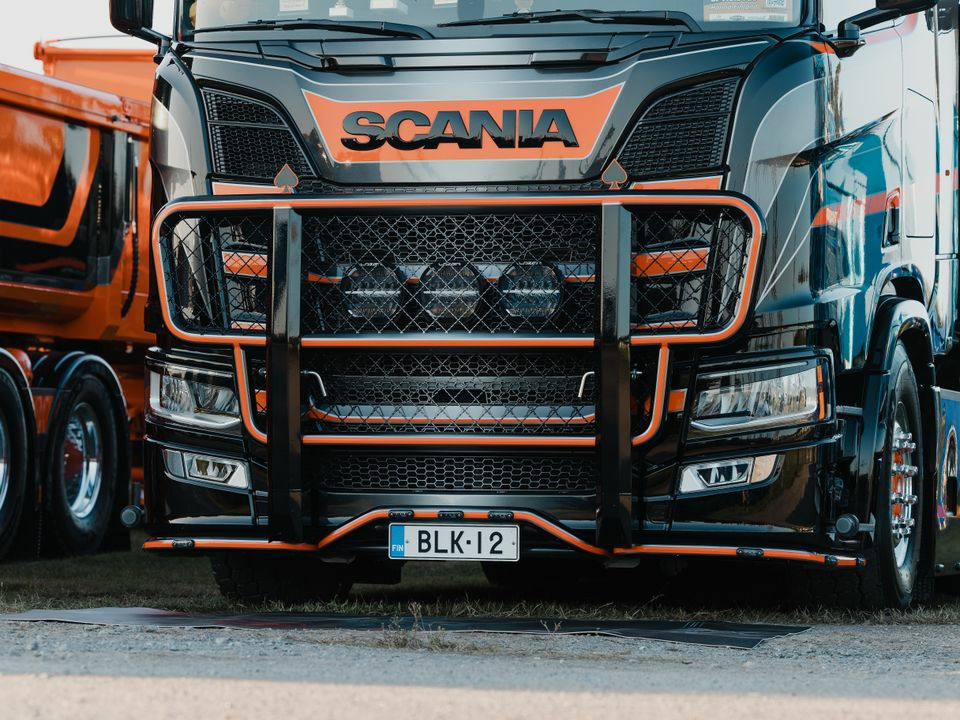
A bull bar is primarily used to protect the front of a vehicle in collision situations, especially in animal strikes. It also serves as a mounting platform for accessories, enhances the vehicle’s appearance, and increases safety in heavy-duty professional use. Bull bars are particularly important for trucks, vans, and other work vehicles.
The Importance of Bull Bars in Professional Driving
For professional drivers, a bull bar is an essential safety accessory that protects both the vehicle and its load in unexpected situations. Daily use of work vehicles often involves challenging conditions where additional protection is invaluable.
Professional drivers value bull bars for their versatility. They are not just protective components but also practical solutions for mounting auxiliary equipment.
The primary purposes of bull bars in professional use include improving safety, preserving vehicle value, and enhancing work efficiency. A high-quality bull bar withstands heavy use while maintaining its functionality over many years.
What Are Bull Bars Used For?
Bull bars serve multiple purposes, focusing on protection and functionality. The primary function is to shield the vehicle’s front in potential collisions.
Enhancing collision safety is a key purpose. Bull bars distribute collision forces over a wider area, reducing the risk of damage to the vehicle frame. This is especially important in animal collisions, which are common in rural areas.
Bull bars also provide a mounting surface for accessories. Additional lights, warning beacons, or other work-related equipment can be installed on the bull bar. Enhancing the vehicle’s appearance creates a professional and reliable impression.
Which Vehicles Benefit Most from Bull Bars?
Bull bars are best suited for heavy-duty and work vehicles, where safety and durability are paramount. Trucks benefit from bull bars, especially during long trips and demanding transport tasks.
Vans and light-duty trucks are typical users of bull bars. These vehicles often operate in varying conditions and need extra protection. Agricultural machinery, such as tractors, also benefits from bull bars in off-road use.
Emergency vehicles and other specialized vehicles use bull bars both as protection and as accessory mounting platforms. Vehicle-specific factors, such as weight and intended use, influence the choice of bull bar.
How Bull Bars Enhance Vehicle Safety
Bull bars significantly improve vehicle safety, particularly in animal collisions. They act as the first point of contact, distributing collision energy more evenly across the vehicle structure.
Reinforcing the vehicle’s front is a key safety benefit. Bull bars protect fuel tanks, radiators, and other sensitive components from damage, reducing repair costs and downtime.
Visibility is enhanced through additional lights mounted on the bull bar. Better lighting increases safety in dark conditions. Protection for cargo and passengers is also improved when the vehicle structure is strengthened.
Key Benefits of Bull Bars in Professional Use
In professional use, bull bars provide cost savings by reducing repair needs and minimizing downtime. Preventive protection is always more economical than post-damage repairs.
Increased safety improves workplace security and lowers insurance risks. Preserving the vehicle’s value is an important financial benefit, especially for expensive work vehicles.
Improved work efficiency comes from fewer maintenance breaks and more reliable equipment. Bull bars also allow for effective use of accessories, enhancing work quality and safety in all conditions.
Explore Our Range and Find the Right Bull Bar
Explore our selection and contact us to find the bull bar that perfectly meets your needs.


 English
  Swedish
  Norwegian