
Which bull bars are the most durable for heavy use?
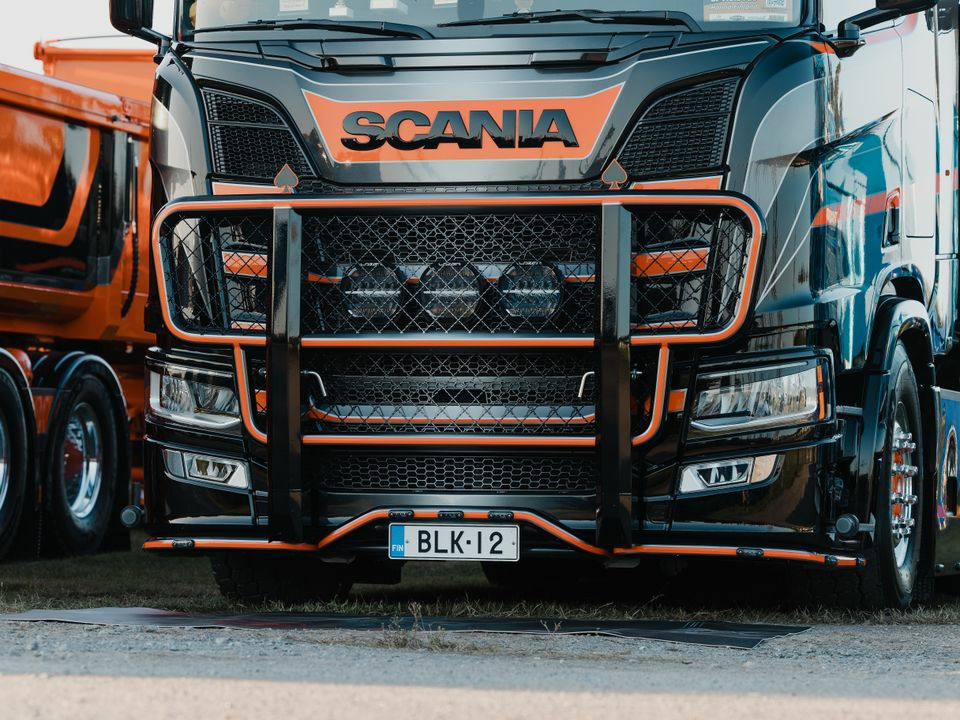
Bull bars for heavy-duty applications perform best when made from stainless steel and designed to withstand the demanding conditions of work vehicles. The material quality, structural strength, and road traffic approvals determine the true durability of a bull bar in professional use. A truck’s bull bar is constantly exposed to stress, so making the right choice is of utmost importance.

What makes a bull bar durable in heavy-duty use?

The foundation of a durable bull bar lies in high-quality material and precise manufacturing. A stainless steel bull bar offers the best corrosion resistance, while adequate wall thickness ensures impact resistance in heavy use.

Structural design greatly affects durability. Mounting points must be dimensioned according to the vehicle’s weight and purpose of use. The quality of welding determines whether the bull bar can withstand long-term stress or whether weak points will form that might crack under load.

Manufacturing quality shows in the details: smooth weld seams, carefully beveled edges, and precisely measured brackets. For professional use, a bull bar should also offer the option of additional accessories, such as mounting points for auxiliary lights.

Which materials perform best on work vehicles?

Stainless steel is the best choice for work vehicle bull bars due to its corrosion resistance and impact strength. It withstands road salt, moisture, and mechanical impacts without the need for refinishing or repainting.

Aluminum is a lighter option, but it does not handle impacts as well as steel. Painted steel is more affordable but requires regular maintenance and occasional repainting to prevent rust.

The advantages of stainless steel include long service life, minimal maintenance, and a lasting appearance. Although the initial investment is higher, total costs remain lower over time. The material of the bull bar should always be chosen according to the operating conditions — in salted road environments, stainless steel is by far the best choice.

How do I recognize a road-approved bull bar?

A bull bar approved for road use is marked with an ECE certification and includes proper documentation. The approval marking is usually found on the product itself or in the accompanying paperwork.

Official approval ensures that the bull bar meets road safety requirements and does not endanger other road users. The ECE approval standards cover the shape, size, and mounting method of the bull bar.

Unapproved bull bars can cause problems during inspection and with insurance claims. RST Steel is the only manufacturer in Finland offering officially road-approved bull bars for various truck models. Choosing an approved bull bar is always the safest and most reliable option.

When should a bull bar be replaced?

A bull bar should be replaced when structural damage, corrosion, or loose mounting points appear. A safety risk arises when the bar can no longer withstand normal loads.

Signs of wear include cracks in weld seams, deep rust, damage to mounting points, or bending of the bar. Surface rust alone doesn’t yet require replacement, but deeper corrosion significantly weakens the structure.

Preventive maintenance extends the service life of the bull bar. Regular cleaning, inspection of mounts, and timely repair of minor damage help avoid larger issues. In professional use, the durability of the bull bar is directly linked to business continuity — so it’s wise to replace it before problems accumulate.

Need a durable bull bar for your work vehicle?

Explore our range of Finnish-made stainless steel bull bars and find an officially road-approved solution that withstands even the toughest conditions for years to come.

Browse our selection and contact us to find the bull bar that best suits your needs.

Related Posts

Uncategorized

How to choose a bull bar that can withstand varying winter conditions?

Discover essential factors for selecting corrosion-resistant bull bars that maintain structural integrity through harsh winter conditions.

Uncategorized

Can a bull bar withstand road salt and moisture?

Quality bull bars resist road salt through galvanised steel and powder coating protection.

Uncategorized

Which auxiliary lights are suitable for truck fronts?

Discover LED light bars, spotlights, and combination beams perfect for truck fronts. Expert guide to choosing auxiliary lighting.

Uncategorized

What is the best auxiliary light for a passenger car?

LED auxiliary lights boost passenger car safety and visibility, with premium Lazer Lamps and budget Optibeam options available.

Uncategorized

Which auxiliary light is best for an SUV?

Discover the best auxiliary lights for SUVs with expert brand comparisons and performance insights.

Uncategorized

How many auxiliary lights can be installed on a vehicle in the Nordic countries?

Nordic vehicle auxiliary light limits: 2-4 lights allowed with strict compliance requirements across Finland, Sweden, Norway, and Denmark.

Uncategorized

How to choose the right auxiliary lights for an off-road vehicle?

Expert guide to selecting auxiliary lights: brightness, beam patterns, premium vs budget brands, and installation tips for safer off-road adventures.

Uncategorized

Should you choose round or panel-style auxiliary lights?

Compare round vs panel auxiliary lights for your driving needs and vehicle requirements.

Uncategorized

Why is the Lazer light beam more even than other brands?

Discover how Laser’s advanced optical engineering eliminates hot spots and creates superior beam uniformity for professional drivers.

Uncategorized

Can auxiliary lights be installed without drilling?

Discover proven no-drill mounting solutions for auxiliary lights that protect your vehicle while ensuring secure installation.

Uncategorized

Why is the Lazer Linear the best choice for roof-mounted auxiliary lights?

Discover why Lazer Linear auxiliary lights outperform competitors with superior LED technology and robust construction for professional vehicles.

Uncategorized

Linear series beam pattern – what advantages does it offer for highway driving?

Discover how linear series beam patterns reduce eye strain and improve highway visibility for professional drivers.

Uncategorized

Why is the Triple-R a popular Lazer model for trucks?

Discover why Triple-R leads Lazer’s truck lighting with superior durability, beam patterns, and professional-grade performance for demanding work conditions.

Uncategorized

Is the Lazer Sentinel the best choice for SUVs?

Expert comparison of Lazer Sentinel SUV auxiliary lights reveals surprising value alternatives across all budgets.

Uncategorized

Why is the ST Evolution the best auxiliary light choice for newer vehicles?

Expert guide reveals why ST Evolution leads auxiliary lighting for modern vehicles with superior performance.

Uncategorized

Is the Lazer T-series a good choice for forestry and off-road use?

Discover why Lazer T-series lights excel in forestry applications with superior durability and beam patterns.

Uncategorized

How do auxiliary lights behave in fog or rain?

Discover how fog scatters light differently than rain, why amber beats white light in weather.

Uncategorized

How does an auxiliary light help when driving in the dark?

Auxiliary lights extend visibility 200-400 metres beyond standard headlights, giving drivers crucial extra seconds to react to hazards during night driving.

Uncategorized

Why do auxiliary lights illuminate differently from the vehicle’s main high beams?

Discover why auxiliary lights outperform high beams with specialized optical design and advanced LED technology for superior visibility.

Uncategorized

Which auxiliary lights are best suited for vans?

Expert comparison of van auxiliary lights from budget to premium brands with installation guidance.

Uncategorized

Which auxiliary lights are best for long-distance driving?

LED spotlights and combination beam systems extend visibility 500+ metres for safer long-distance night driving adventures.

Uncategorized

Which auxiliary lights withstand cold and freezing temperatures best?

LED auxiliary lights with IP67+ ratings survive extreme cold best, maintaining performance down to -40°C.

Uncategorized

How many lumens should auxiliary lights provide?

Discover the ideal lumen range for auxiliary lights: 1,000-6,000 for most drivers, up to 10,000+ for professionals.

Uncategorized

How to choose the right size of auxiliary light for your vehicle?

Learn proper auxiliary light sizing for optimal vehicle performance and legal compliance.

Uncategorized

Can auxiliary lights be installed DIY, or should a professional do it?

Learn if DIY auxiliary light installation is safe or requires professional expertise for optimal performance.

Uncategorized

When is a bull bar necessary?

Discover when bull bars become essential protection for off-road driving, wildlife areas, and commercial use scenarios.

Uncategorized

How does a bull bar protect the driver and the vehicle in hazardous situations?

Bull bars absorb impact forces and distribute collision energy, protecting vehicle components and driver safety in hazardous situations.

Uncategorized

How to choose the right bull bar for your vehicle?

Learn how to choose the perfect bull bar for your vehicle with expert tips on types, sizing, and installation considerations.

Uncategorized

What is the role of a bull bar in professional driving?

Bull bars protect professional drivers from wildlife collisions and vehicle damage, ensuring operational continuity and business success.

Uncategorized

What materials are used in bull bars?

Steel, aluminium, and composites each offer unique advantages. Discover which bull bar material suits your vehicle’s needs.

Uncategorized

When should a bull bar be replaced with a new one?

Discover key warning signs and safety risks of damaged bull bars. Learn proper inspection techniques.

en_USEnglish

Cart ( 1 item )

Välisumma: 44,62