Bull bar aerodynamics significantly impact vehicle performance by increasing wind resistance and disrupting natural airflow patterns. Installing a bull bar typically increases fuel consumption by 5–15% depending on design, speed, and driving conditions. However, choosing streamlined designs and proper installation techniques can minimise these aerodynamic penalties while maintaining essential vehicle protection.
What exactly happens to airflow when you install a bull bar?
Installing a bull bar creates significant disruption to your vehicle’s carefully engineered airflow patterns. The frontal area increase forces air to flow around a larger, less streamlined obstacle, creating turbulence zones and pressure differentials that were not present in the original design.
When air hits a bull bar, it cannot flow smoothly around the vehicle’s front end as intended. Instead, it creates high-pressure zones directly in front of the bar and low-pressure wake areas behind it. These pressure differentials generate additional drag that your engine must work harder to overcome.
The mesh patterns and solid surfaces of traditional bull bars trap air and create swirling vortices. Unlike the vehicle’s original bumper design, which channels air efficiently around the body, bull bars present blunt surfaces that increase wind resistance. This effect becomes particularly pronounced at motorway speeds, where aerodynamic forces increase exponentially.
Different mounting positions also affect airflow disruption. Bull bars mounted higher on the vehicle front create more turbulence over the bonnet, while lower-mounted designs can disrupt airflow under the vehicle, affecting cooling system efficiency.
How much does a bull bar actually increase fuel consumption?
Bull bar installation typically increases fuel consumption by 5–15% during highway driving, with the exact impact depending on vehicle speed, bull bar design, size, and weight. The aerodynamic penalty becomes more significant at speeds above 80 km/h, where wind resistance is the primary factor affecting fuel efficiency.
The drag coefficient change varies considerably between designs. Heavy-duty steel bull bars with solid construction can increase your vehicle’s drag coefficient by 0.05–0.15, which translates to measurable fuel consumption increases. For professional drivers covering high annual mileage, this represents a substantial increase in operational costs.
Vehicle speed plays a crucial role in aerodynamic impact. At city driving speeds below 50 km/h, the fuel consumption increase might be only 2–5%. However, during sustained motorway driving at 100+ km/h, the penalty can reach 15–20% as aerodynamic drag becomes the dominant force requiring engine power.
Weight also contributes to increased consumption, though less significantly than aerodynamic drag. A typical steel bull bar adds 30–60 kg to your vehicle’s front end, affecting acceleration and hill-climbing performance. For fleet operators, these combined factors can represent hundreds of pounds in additional fuel costs per vehicle annually.
Which bull bar designs are most aerodynamically efficient?
Streamlined designs with curved surfaces and integrated airflow channels offer the best aerodynamic efficiency while maintaining protection. The key lies in choosing designs that work with your vehicle’s natural airflow rather than creating blunt obstacles to wind resistance.
The Lite design philosophy represents the most aerodynamically efficient approach. These lightweight, minimalist bull bars use tubular construction with significant open areas that allow air to flow through rather than around the structure. The reduced frontal area and weight minimise both aerodynamic drag and fuel consumption penalties.
Dakar-style bull bars offer a balanced compromise between protection and aerodynamic efficiency. Their vehicle-specific design allows for better integration with existing front-end aerodynamics. The more precise fitment reduces gaps and discontinuities that create turbulence, while curved surfaces help guide airflow around the vehicle.
Traditional Freeway designs, while offering maximum protection, present the greatest aerodynamic challenges. Their massive construction and extensive coverage create significant wind resistance. However, modern Freeway designs increasingly incorporate aerodynamic features such as integrated air dams and smoother surface transitions to reduce their aerodynamic impact.
Mesh patterns and surface textures also influence aerodynamic performance. Fine mesh allows some airflow through while maintaining strength, whereas solid plates create maximum turbulence. Integrated lighting should be recessed or streamlined to avoid additional drag-creating protrusions.
Can you minimise the aerodynamic impact of bull bar installation?
Yes, you can significantly reduce aerodynamic penalties through careful design selection, proper installation positioning, and complementary aerodynamic modifications. The key is choosing the right bull bar for your specific vehicle and usage requirements while optimising its integration with existing aerodynamics.
Proper positioning during installation makes a substantial difference. Mounting the bull bar as close to the original bumper line as possible reduces the increase in frontal area. Ensuring proper alignment with the vehicle’s centreline and maintaining consistent gaps prevents additional turbulence.
Consider complementary modifications that improve overall vehicle aerodynamics. Adding a front air dam or splitter can help manage airflow under the vehicle, while side skirts can reduce turbulence along the vehicle’s sides. These modifications can partially offset the bull bar’s aerodynamic penalty.
Regular maintenance affects long-term aerodynamic performance. Keep the bull bar clean and free from debris that can create additional turbulence. Check mounting points to ensure the bar remains properly positioned, as loose mounting can create gaps that increase drag.
For professional drivers, consider your typical driving conditions when selecting a bull bar. If you spend most of your time on motorways, prioritise aerodynamic efficiency. For primarily urban driving with occasional off-road use, protection might outweigh aerodynamic considerations.
Understanding bull bar aerodynamics helps you make informed decisions that balance protection needs with operational efficiency. At RST-Steel, we can help you choose the most appropriate design for your specific vehicle and usage requirements, ensuring optimal performance while maintaining the protection you need. If you need expert guidance on selecting the right bull bar for your application, contact us today to discuss your requirements with our technical team.


 On demand

 On demand
 In Stock
 In Stock
 In Stock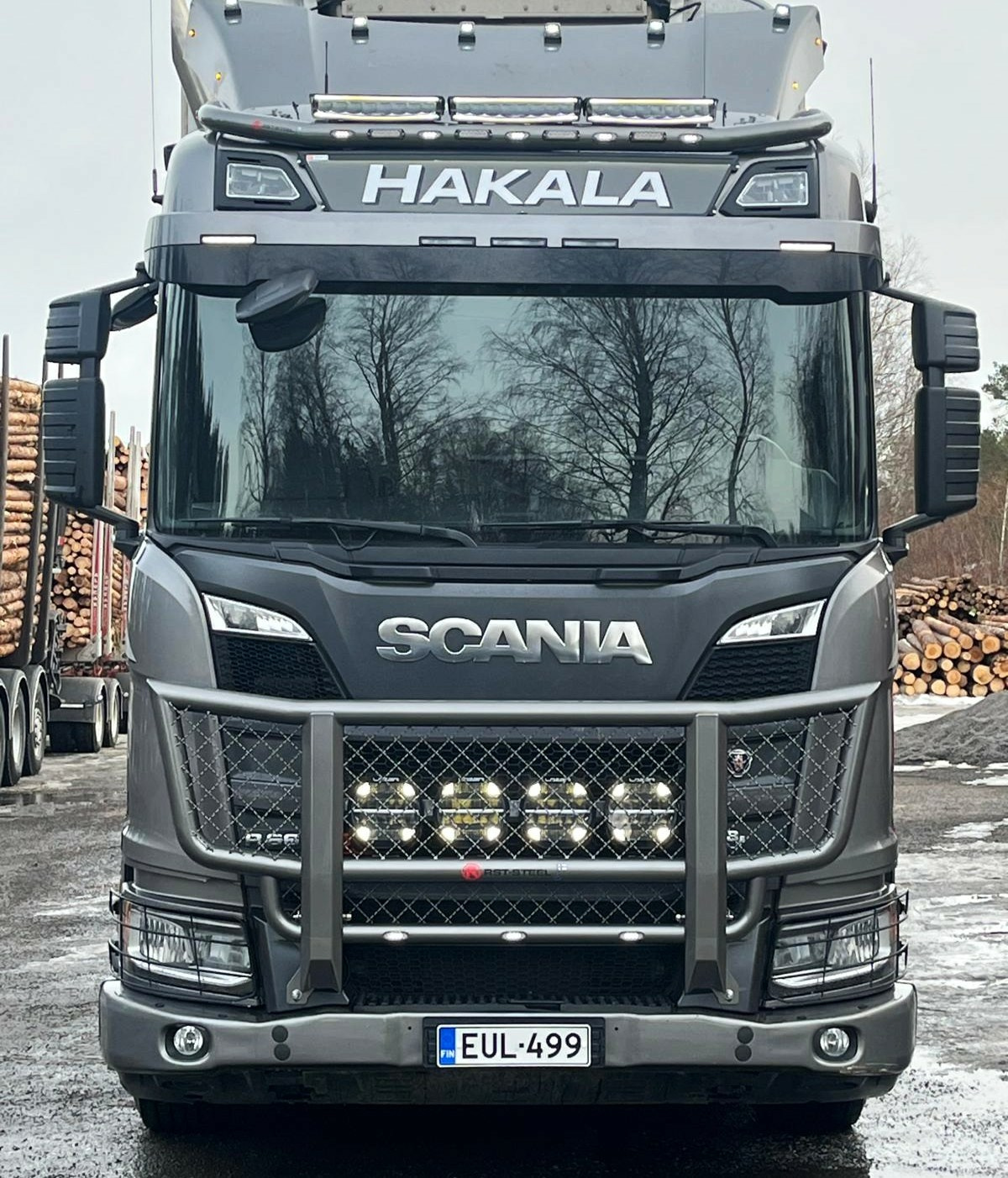

 English
  Swedish
  Norwegian