-
 In Stock
Estimated shipping time: 2-5 business days
-
 In Stock
Estimated shipping time: 2-5 business days
-
 In Stock
Estimated shipping time: 2-5 business days
Välisumma: 811,95 €

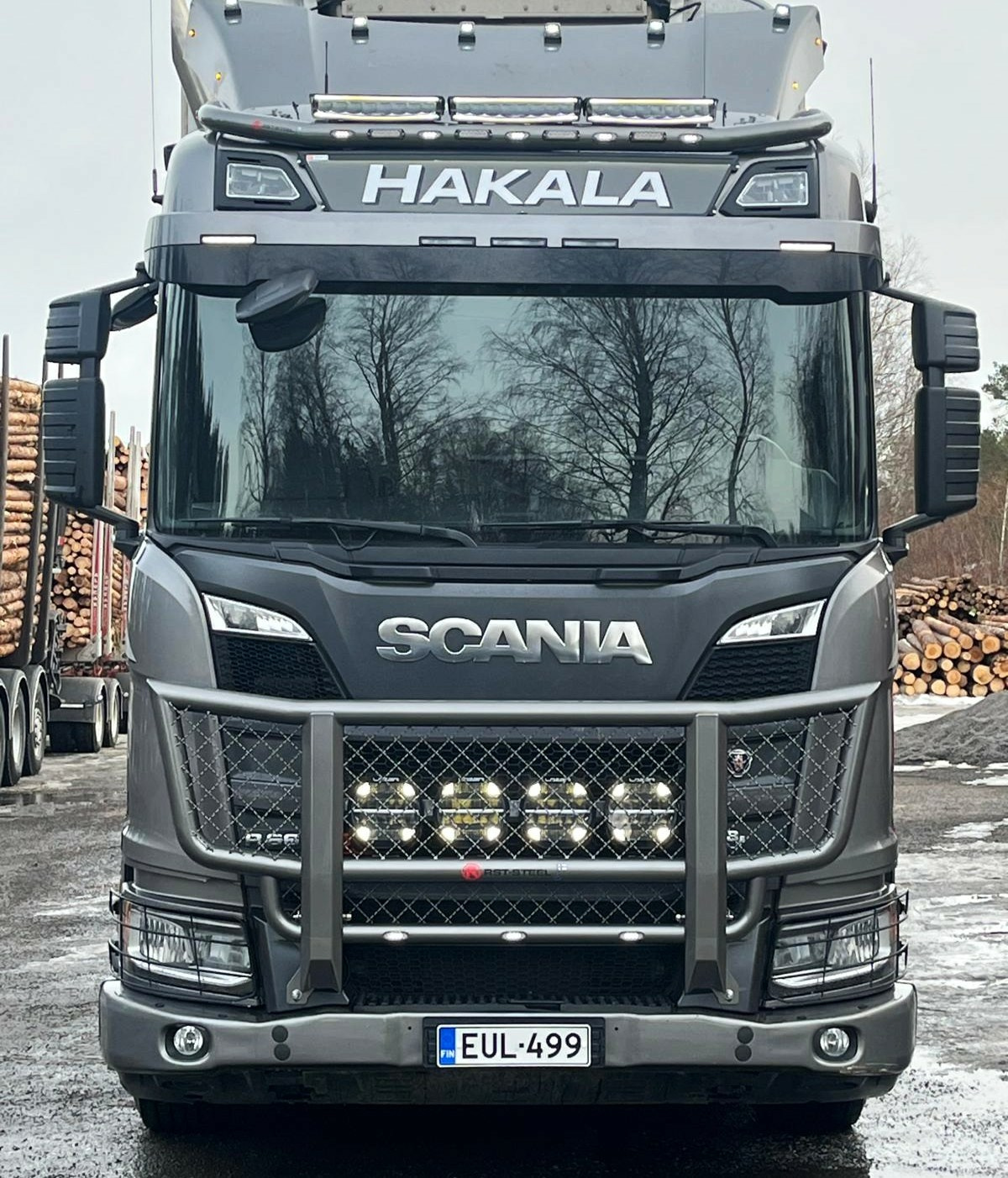
Selecting a bull bar for winter conditions requires careful consideration of materials, construction quality, and design features that can withstand extreme cold, road salt, and harsh weather impacts. The ideal winter bull bar combines corrosion-resistant materials, robust construction, and design elements that maintain structural integrity in freezing temperatures. Key factors include material composition, protective coatings, mounting systems, and overall build quality that ensure reliable performance throughout demanding winter driving conditions.
A winter-suitable bull bar must feature corrosion-resistant materials, protective surface treatments, and robust construction that maintains structural integrity despite exposure to road salt, ice, and temperature fluctuations. High-quality steel with proper galvanization or powder coating provides the best foundation for winter durability.
The most critical factor is material protection against corrosion. Road salt and moisture create highly corrosive conditions that can compromise bull bar integrity over time. Quality manufacturers apply multiple protective layers, including zinc galvanization followed by powder coating, creating a barrier system that prevents salt and moisture penetration.
Construction quality becomes paramount in winter conditions. Welded joints must be completely sealed to prevent water ingress and subsequent freeze–thaw damage. Mounting points require reinforced design to handle additional stresses from ice accumulation and thermal expansion cycles that occur during temperature variations.
Design features such as drainage channels and smooth surfaces help prevent ice buildup that could affect vehicle aerodynamics or add unwanted weight. The bull bar should also accommodate winter accessories such as auxiliary lighting, which becomes essential during shorter daylight hours and poor visibility conditions common in winter driving.
Steel bull bars offer superior impact resistance and structural integrity in cold weather, making them ideal for heavy-duty winter driving. Steel maintains its strength characteristics at low temperatures, unlike some materials that become brittle when frozen.
High-grade steel performs exceptionally well in freezing conditions because it retains impact strength and does not become brittle like some alternative materials. The thermal expansion rate of steel is predictable and manageable, allowing proper engineering of mounting systems that accommodate temperature-related size changes without creating stress points.
Aluminium bull bars provide excellent natural corrosion resistance, requiring less protective coating than steel. However, aluminium can be more susceptible to impact damage in extreme cold, where its flexibility decreases. The material works well for lighter vehicles and moderate winter conditions but may not provide adequate protection for heavy commercial vehicles or extreme winter environments.
Composite materials offer weight advantages and inherent corrosion resistance, but their performance in cold weather varies significantly by formulation. Quality composites maintain flexibility and impact resistance, while cheaper alternatives may crack or shatter in extreme cold. The mounting systems for composite bull bars require careful design to accommodate different thermal expansion rates compared with the vehicle’s steel frame.
Freeway bull bars provide maximum protection for heavy-duty winter driving, offering comprehensive coverage ideal for commercial vehicles and extreme conditions. Their robust construction handles ice impacts and provides mounting points for essential winter equipment.
Freeway designs excel in demanding winter conditions due to their massive construction and comprehensive protection coverage. The substantial framework can withstand significant impacts from ice, debris, or wildlife encounters that become more common during winter months. Multiple mounting points accommodate auxiliary lighting, winches, and other equipment essential for winter commercial operations.
Dakar bull bars offer an excellent balance between protection and vehicle integration, making them suitable for professional drivers who need reliable winter protection without excessive bulk. Their tailored design ensures a proper fit while maintaining vehicle approach angles that are important for navigating snow and ice conditions.
Lite bull bars provide basic protection suitable for lighter winter driving conditions and passenger vehicles. While they offer fundamental protection against minor impacts and mounting points for auxiliary lighting, they may not provide adequate protection for heavy commercial use or extreme winter environments where maximum protection is essential.
The choice between designs depends on your specific winter driving requirements. Commercial operators and those facing extreme conditions benefit from Freeway designs, while professional drivers with moderate winter exposure often find Dakar models provide the optimal protection-to-functionality balance. For winter driving safety equipment and expert guidance on selecting the right bull bar for your specific winter conditions, contact our specialists to ensure you choose the most suitable protection for your vehicle and driving requirements.
Weekdays 9:00-17:00
+358 400 890 813Savenvalajantie 4, 85500 Nivala
Haikanvuori 3, 33960 Pirkkala
Zatelliitintie 15 B, 90440 Oulu
sales@rst-steel.fi
Estimated shipping time: 2-5 business days
Estimated shipping time: 2-5 business days
Estimated shipping time: 2-5 business days
 English
  Swedish
  Norwegian