
How to choose the right size of auxiliary light for your vehicle?
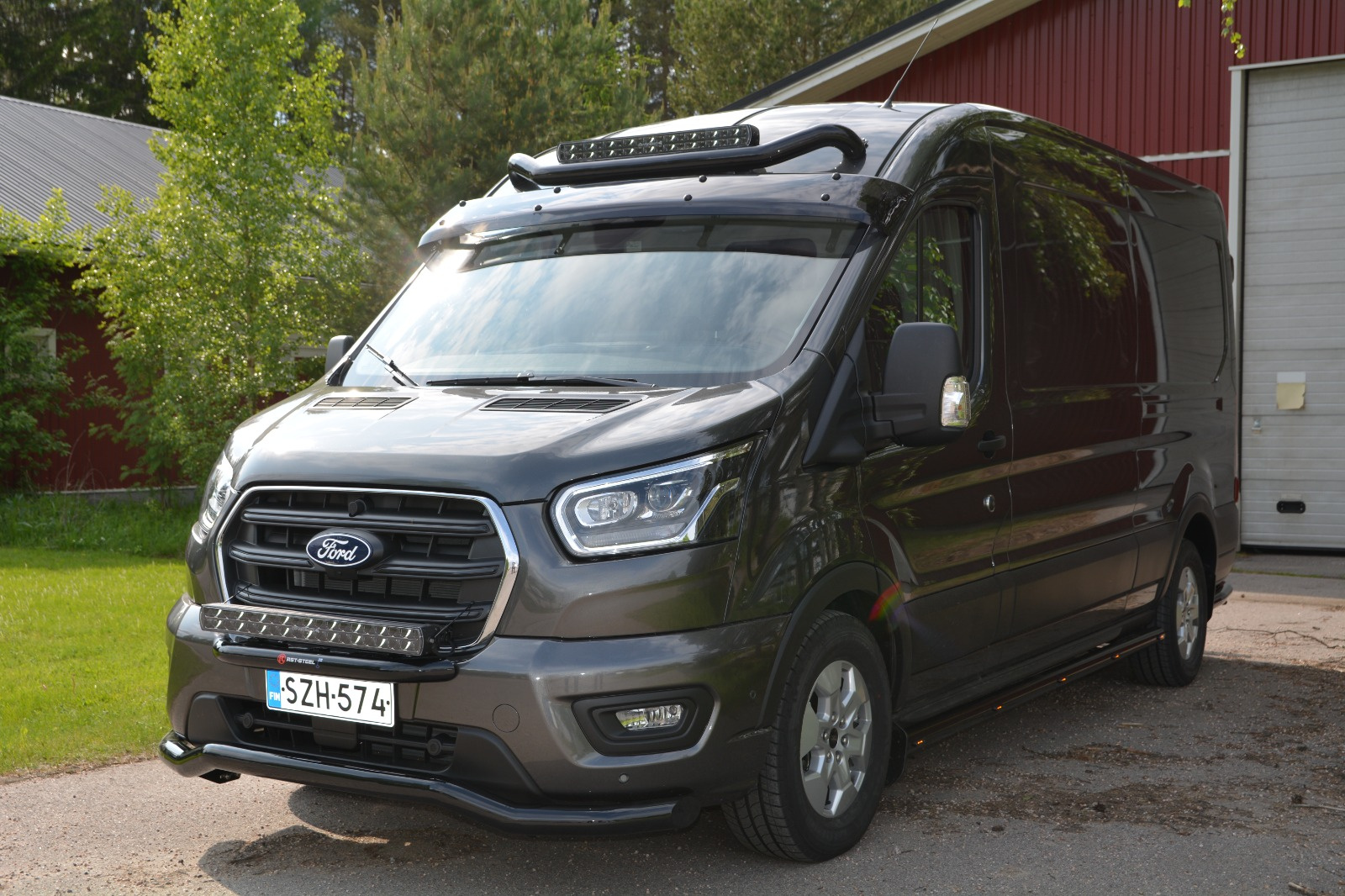
Choosing the right auxiliary light size involves matching the light dimensions to your vehicle’s mounting space, power capacity, and intended use. Proper sizing ensures optimal performance, legal compliance, and safe installation. Vehicle dimensions, electrical system capacity, and specific lighting needs determine the ideal auxiliary light size for your application.
What factors determine the right auxiliary light size for your vehicle?
Vehicle dimensions, mounting locations, power requirements, and intended use are the primary factors determining auxiliary light size. Your vehicle’s grille space, bumper configuration, and roof capacity dictate maximum light dimensions, while your electrical system limits power consumption and the number of lights you can safely install.
Mounting location significantly influences size selection. Front bumper installations typically accommodate smaller auxiliary lights due to space constraints and aerodynamic considerations. Roof-mounted light bars can be larger but must take vehicle height restrictions and wind resistance into account. Side mounting on bull bars or A-pillars requires compact designs that do not obstruct visibility or interfere with vehicle operation.
Power requirements directly correlate with light size and output. Larger auxiliary lights generally consume more power, requiring assessment of your vehicle’s alternator capacity and wiring capabilities. Professional drivers operating commercial vehicles often have different electrical systems compared with consumer applications, allowing for more powerful lighting installations.
Legal regulations vary by region and vehicle type. Many jurisdictions restrict auxiliary light placement, brightness levels, and usage conditions. Work vehicles may have different allowances compared with passenger cars, particularly regarding forward-facing auxiliary lights and their activation during normal driving conditions.
How do different auxiliary light brands compare in terms of size and performance?
Lazer Lamps represents the premium segment, offering auxiliary lights ranging from compact 70 mm spotlights to expansive 1270 mm light bars. These units deliver exceptional light output per unit of size, featuring advanced LED technology and robust construction. Lazer products typically provide the best performance-to-size ratio, making them ideal when space is limited but maximum output is required.
Purelux and OZZ occupy the mid-range category, providing excellent value with size options covering most vehicle applications. These brands offer auxiliary lights from 140 mm compact units to 1200 mm light bars, delivering reliable performance at accessible price points. Their sizing tends to be practical for both professional and consumer applications, with good build quality and reasonable power consumption.
Optibeam serves the budget-conscious market with cost-effective auxiliary lights in standard sizes. While not matching premium brands in output per millimetre, Optibeam products offer reliable illumination for basic applications. Their sizing focuses on common vehicle fitments, making them suitable for consumers seeking improved visibility without a premium investment.
Performance characteristics vary significantly across brands and price categories. Premium options typically deliver higher lumen output per unit of size, better beam control, and superior durability. Mid-range alternatives balance performance with affordability, while budget options prioritise basic functionality and cost-effectiveness.
What are the most common auxiliary light sizing mistakes and how can you avoid them?
Oversizing auxiliary lights is the most frequent error, leading to installation difficulties, legal compliance issues, and poor aesthetic integration. Many buyers focus solely on maximum output without considering mounting constraints, resulting in lights that do not fit properly or require extensive modifications for installation.
Undersizing represents another common mistake, particularly when attempting to illuminate large work areas or long distances. Small auxiliary lights may seem adequate during daytime evaluation but prove insufficient for actual working conditions. This often necessitates additional purchases and installations, increasing overall costs.
Power system mismatches occur when auxiliary light power requirements exceed vehicle electrical capacity. Large light bars may overload standard alternators or require wiring upgrades that were not initially considered. This mistake can lead to electrical problems, reduced light performance, and potential vehicle damage.
Mounting location miscalculations frequently result from inadequate measurement or failure to consider operational requirements. Auxiliary lights positioned too high may create excessive glare, while those mounted too low risk damage from road debris. Professional drivers must also consider loading and unloading operations that might interfere with light placement.
Avoiding these mistakes requires careful measurement of available mounting space, a realistic assessment of lighting needs, and proper evaluation of vehicle electrical capacity. Consider consulting vehicle equipment specialists who can assess your specific requirements and recommend appropriate sizing solutions.
How do you calculate the optimal light output and beam pattern for your specific needs?
Optimal light output calculation begins with determining your illumination distance and coverage area requirements. Work vehicles typically need 150–200 metres of forward illumination, while recreational applications may require 50–100 metres. Multiply your required distance by coverage width to establish the total area needing illumination.
Beam pattern selection depends on application type. Spot beams concentrate light for long-distance illumination, ideal for highway driving or approaching work sites. Flood beams provide wide coverage for close-range work areas. Combination patterns offer versatility but may compromise performance in specific applications.
Lumen requirements vary based on ambient conditions and task requirements. Rural applications with minimal ambient light may require 10,000–20,000 lumens for effective illumination. Urban environments with existing lighting may function adequately with 5,000–10,000 lumens. Professional applications often benefit from higher output levels to ensure adequate visibility in challenging conditions.
Professional recommendations suggest starting with combination beam patterns for versatility, then specialising based on experience. Work vehicles benefit from flood patterns for loading areas and spot patterns for travel illumination. Recreational users often find that combination patterns provide the best overall utility for varied driving conditions.
Distance requirements influence both output and beam pattern selection. Applications requiring 100+ metres of illumination need focused spot beams with high lumen output. Close-range work benefits from wide flood patterns with moderate output levels. Consider your primary usage scenario when calculating optimal specifications.
Selecting the right auxiliary light size requires balancing multiple technical and practical considerations. Professional installation ensures optimal performance and compliance with safety regulations. For expert guidance on auxiliary light sizing and installation, contact our experienced team to assess your specific vehicle requirements and recommend the most suitable lighting solutions for your professional or personal needs.

 English
  Swedish
  Norwegian