
Is a Bull Bar mandatory on a truck?
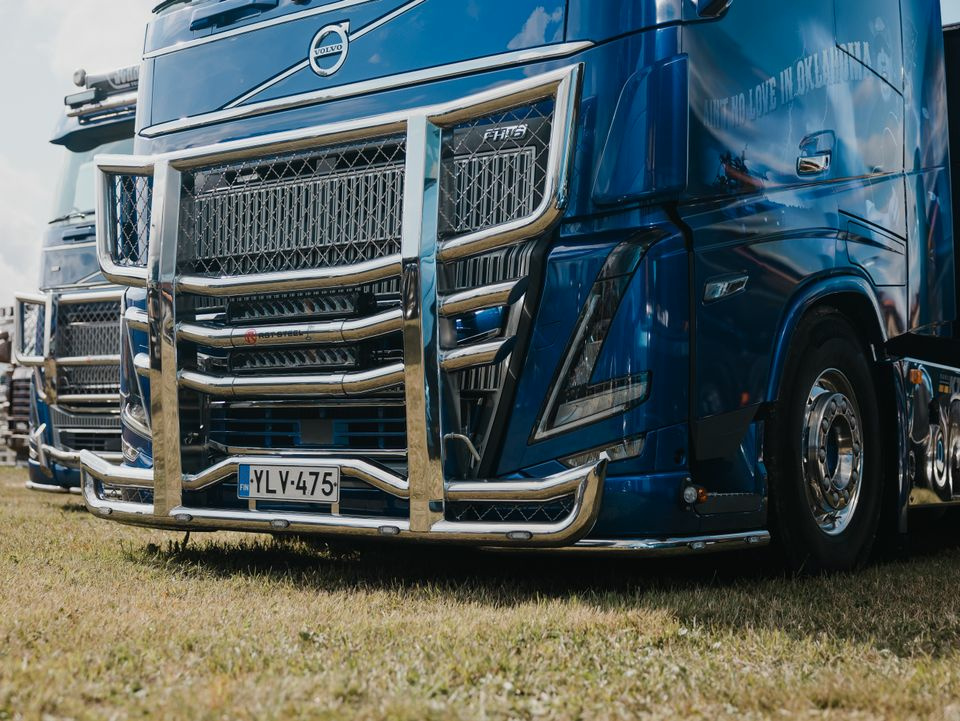
A bull bar is not legally mandatory on a truck under EU or Nordic regulations. It is an optional accessory, though one that professional drivers increasingly treat as essential. Questions around legality, safety performance, available bar types, and material quality come up regularly among drivers who want to make an informed decision before fitting one.
Is a bull bar legally required on a truck?
No, a bull bar is not a legal requirement for trucks operating under EU or Finnish road traffic legislation. Trucks do not need front protection bars to pass roadworthiness inspections or meet type-approval standards. However, any bull bar fitted to a vehicle in use on public roads must comply with the relevant type-approval requirements and must not obstruct required lighting or compromise the pedestrian safety assessments applicable to the vehicle class.
In Nordic countries, including Finland, there are no national mandates requiring truck front protection as standard equipment. That said, professional fleet operators and long-haul drivers often treat a certified bull bar as professionally essential rather than merely optional. When a bar carries proper certification and is installed correctly, it presents no compliance issues during vehicle inspections. Always verify that the specific product you choose meets the approval standards relevant to your truck model and operating region.
What are the real safety benefits of fitting a bull bar on a truck?
A bull bar provides meaningful front-end protection by absorbing and distributing impact forces during low-speed collisions, animal strikes, and minor road incidents. It shields the radiator, grille, and bumper components that are expensive to replace. Beyond structural protection, a bull bar safety advantage comes from its ability to carry auxiliary and position lights, directly improving your visibility to other road users in poor weather and low-light conditions.
For professional drivers covering long distances, repair downtime is a real operational cost. A front protection bar reduces the likelihood of damage from kerb strikes, snowdrifts, or debris impacts that would otherwise put a truck off the road. The mounting capability for auxiliary lighting adds a further layer of active safety, making the bar a dual-purpose investment rather than a purely cosmetic addition.
What types of front protection bars are available for trucks, and how do they differ?
There are four main categories of truck front protection bars, each serving a distinct purpose. Understanding the differences helps you match the right solution to your operational needs.
- Bull bars are robust front-mounted structures designed to absorb collision impact and protect the vehicle’s front end. They offer the highest level of structural protection and typically provide the widest range of auxiliary light mounting options.
- Front bars are lighter grille-mounted solutions primarily designed to simplify auxiliary light installation. They enhance visibility and vehicle appearance without the full structural bulk of a bull bar.
- Front spoiler bars protect the lower front bumper from damage caused by kerbs, speed humps, and snow. They are particularly practical in urban delivery environments and can be fitted with position lights.
- Roof bars sit along the top of the cabin, highlighting its lines while providing a solid mounting platform for auxiliary lights and position lighting to maximise visibility at height.
What should professional drivers look for when choosing a bull bar for their truck?
Material quality is the most critical factor. A stainless steel bull bar outperforms painted steel or aluminium alternatives in corrosion resistance, structural durability, and long-term appearance, particularly in the salt and moisture conditions common on Nordic roads. Stainless steel requires minimal maintenance and retains its integrity through years of heavy use.
Beyond material, check that the bar is manufactured specifically for your truck brand and model. Generic fitments create mounting problems and can compromise both safety and compliance. Compatibility with Scania, Volvo, DAF, Mercedes-Benz Actros, and other common platforms varies significantly between manufacturers.
Auxiliary light mounting capability is another practical priority. A bar that integrates cleanly with quality lighting systems, such as LAZER work lights, gives you a complete front-end solution rather than a patchwork of separate accessories. Professional installation by specialists familiar with both the bar and the truck model ensures correct fitment and avoids wiring or structural issues.
At RST-Steel, we manufacture certified stainless steel bull bars and a full range of truck front protection solutions, with professional installation available across our Finnish branches. Contact us to find the right bar for your truck and have it fitted properly.


 English
  Swedish
  Norwegian