-

Lazer Linear 42 Elite
SKU: LZ6019-0004
2 × 1168,92 €
In StockEstimated shipping time: 2-5 business days
-
 In Stock
Estimated shipping time: 2-5 business days
-
 In Stock
Estimated shipping time: 2-5 business days
-
 In Stock
Estimated shipping time: 2-5 business days
-

Auxiliary light OZZ XB1 15"
SKU: 6012-0198
3 × 180,00 €
In StockEstimated shipping time: 2-5 business days
-

Lazer Triple-R 850
SKU: RSTLZ0002STD
1 × 350,60 €
In StockEstimated shipping time: 2-5 business days
-
 On demand
Estimated shipping time: 10-30 business days
-
 In Stock
Estimated shipping time: 2-5 business days
-
 In Stock
Estimated shipping time: 2-5 business days
-
 In Stock
Estimated shipping time: 2-5 business days

What materials are used in bull bars?
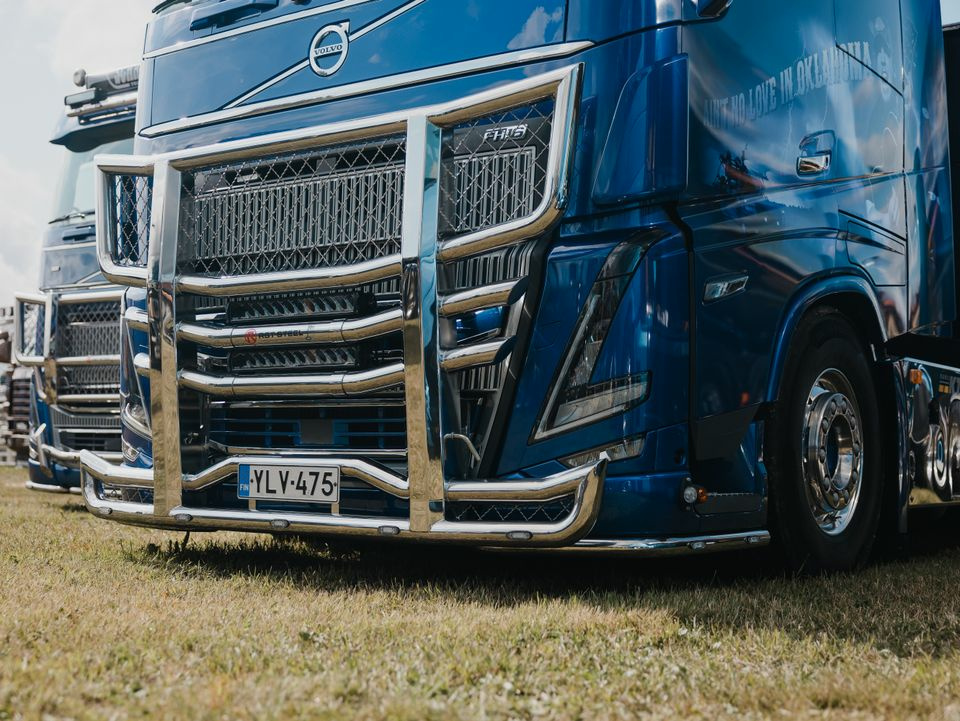
The materials of a bull bar directly affect its durability, safety, and service life. Stainless steel is the most common material among professional drivers due to its corrosion resistance and strength. Other materials used include regular steel, aluminum, and plastic, each with its own applications and characteristics.
What is a bull bar and why is the material important?
A bull bar is a protective accessory attached to the front of a vehicle that improves safety in collision situations and gives the vehicle a more professional appearance. The material determines the bumper’s ability to withstand impacts, weather conditions, and daily wear.
Material choice affects the bull bar’s properties in many ways. Strong material distributes collision energy more efficiently and better protects the vehicle chassis. Corrosion-resistant material retains its appearance and structural integrity after years of use.
For professional drivers, the quality of the material is particularly important because trucks and work vehicles are exposed to heavy stress. Poor material can lead to premature wear, repair costs, and safety risks.
What are the most common bull bar materials?
Bull bars mainly use four different materials: stainless steel, regular steel, aluminum, and plastic. Stainless steel is the most popular choice in professional use due to its versatile properties.
Regular steel is a more affordable option but requires regular maintenance to prevent rust. It is often used with surface treatment or painting. Aluminum is a lightweight and corrosion-resistant material suitable for lighter vehicles.
Plastic bumpers are less common in professional use due to their limited strength. They are mainly used in passenger cars and light vans, where aesthetics are more important than maximum protection.
Why is stainless steel the most popular bull bar material?
Stainless steel combines high strength, excellent corrosion resistance, and long service life. It withstands Finland’s demanding weather conditions without rusting or significant wear for decades.
The strength of the material ensures effective protection in collision situations, while its low maintenance reduces upkeep costs. Stainless steel also retains its appearance well, which is important for professional drivers who want their vehicles to look clean.
Compared to other materials, stainless steel offers the best combination of durability and practicality. RST-Steel manufactures its bull bars from this material because it meets the high quality standards of professional drivers.
How does the bull bar material affect durability and safety?
The material of the bull bar determines its ability to absorb collision energy and protect the vehicle chassis from damage. Strong materials, such as stainless steel, distribute impact forces over a wider area, reducing localized damage.
Weather resistance depends on the material’s corrosion resistance. Stainless steel and aluminum withstand moisture and road salt better than regular steel. This reduces maintenance needs and significantly extends service life.
Long-term costs vary according to materials. Although stainless steel has a higher initial investment, its low maintenance requirements and long service life make it a financially sensible choice for professional use.
If you are considering a high-quality bull bar for your vehicle, explore RST-Steel’s selection. We manufacture all our bull bars in Finland from stainless steel and offer expert installation at our three service locations. Contact us for more information.

 English
  Swedish
  Norwegian