-

Lazer Linear 48 STD
SKU: RSTLZ0125STD
1 × 899,60 €
In StockEstimated shipping time: 2-5 business days
-
 In Stock
Estimated shipping time: 2-5 business days
-

Wheel Covers front 22,5", Bus model
SKU: PK22516
1 × 107,57 €
In StockEstimated shipping time: 2-5 business days
-

Lazer Sentinel 7'' STD, Black
SKU: RSTLZ0020STD
1 × 310,76 €
On demandEstimated shipping time: 10-30 business days
-

Wheel Covers 22,5"x 9,00"
SKU: PK22504
1 × 141,04 €
In StockEstimated shipping time: 2-5 business days
-

Fox Parts Sun Visor Scania NextGen (35cm)
SKU: 1100-0026
1 × 1043,82 €
On demandEstimated shipping time: 10-30 business days
-
 In Stock
Estimated shipping time: 2-5 business days
-

Auxiliary Light Strands Siberia X 9"
SKU: 6012-0219
1 × 199,20 €
In StockEstimated shipping time: 2-5 business days
-
 In Stock
Estimated shipping time: 2-5 business days
-

Wheel Covers 19,5", Deluxe
SKU: PK19504
1 × 133,07 €
On demandEstimated shipping time: 10-30 business days

When should a bull bar be replaced with a new one?
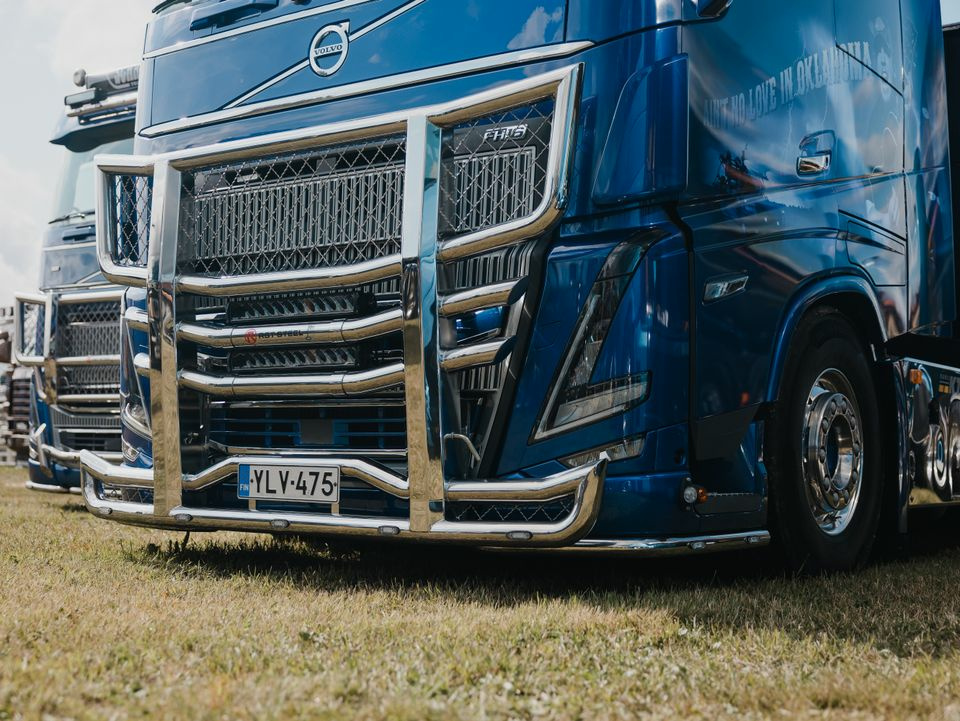
Replacing a bull bar with a new one becomes relevant when the current bumper is damaged, rusted, or has lost its structural strength. Visible damage, loosened attachment points, or collision marks are the clearest signs that replacement is needed. Road traffic safety requirements may also require immediate replacement. Regular inspection and timely maintenance significantly extend the service life of the bull bar.
What are the clearest signs that a bull bar needs replacement?
A bull bar should be replaced when there are visible cracks, deep rust, or the attachment points have loosened. Structural weakening is the most critical sign, which requires immediate action to ensure safety.
Visible damage clearly indicates the need for replacement. Deep scratches or dents may be only cosmetic, but cracks and bends indicate structural weakening. Rust is a particularly serious problem when it penetrates deeper into the material and reduces the strength of the bumper.
Loosened attachment points are a warning sign that should not be ignored. If the bumper wobbles or moves while driving, it may detach on the road and create a hazardous situation. Collision marks indicate that the bumper has experienced an impact, which may have weakened its protective function in the future.
How often should a bull bar be inspected and maintained?
A bull bar should be inspected at least twice a year, preferably in spring and autumn. Professional drivers who use their vehicles daily in demanding conditions should inspect the bumper monthly visually.
Regular inspection includes checking the tightness of attachment points, monitoring the progression of rust, and detecting possible damage. In winter, the risk of corrosion caused by salt and sand increases, making a thorough spring inspection particularly important.
Maintenance procedures are simple but important. Regular cleaning of the bumper removes harmful substances, and checking the tightness of attachment points prevents loosening. Professional inspection is recommended if anything suspicious is noticed in the condition or attachment of the bumper.
When is bull bar replacement mandatory for safety reasons?
A bull bar must be replaced immediately if its structural integrity is compromised or it no longer meets road traffic safety requirements. Loose attachment points, deep rust, or collision damage make replacement mandatory.
Road traffic regulations require that all vehicle parts are in safe condition. A damaged bull bar can create a hazard if it detaches while driving. Insurance companies may also deny compensation if an accident is caused by poorly maintained equipment.
The responsibility of a professional driver is particularly high because work vehicles must be completely safe. Delaying replacement may lead to traffic bans or fines imposed by authorities. Safety always comes before costs, and an uncertain bumper must be replaced immediately.
What should be considered when choosing a new bull bar?
When choosing a new bull bar, the most important factors are the vehicle model, intended use, and road traffic approvals. The quality of the material and the availability of installation services affect long-term satisfaction and safety.
The vehicle model determines which bull bars can be safely attached. The intended use affects the type of protection needed – a heavy traffic driver requires stronger protection than a professional performing light urban deliveries.
Material selection is essential for longevity. Stainless steel withstands Finnish conditions best, even though the initial investment is higher. Road-approved models ensure that the bumper meets all safety requirements. RST-Steel manufactures road-approved bull bars in Finland, designed to withstand tough operating conditions.
Professional installation is as important as a high-quality product. Ensure that the provider you choose has experience equipping your specific vehicle model and that the installation comes with a guarantee. Contact an expert for personal advice on choosing and installing a bumper.

 English
  Swedish
  Norwegian