
When should Wheel Covers be replaced?
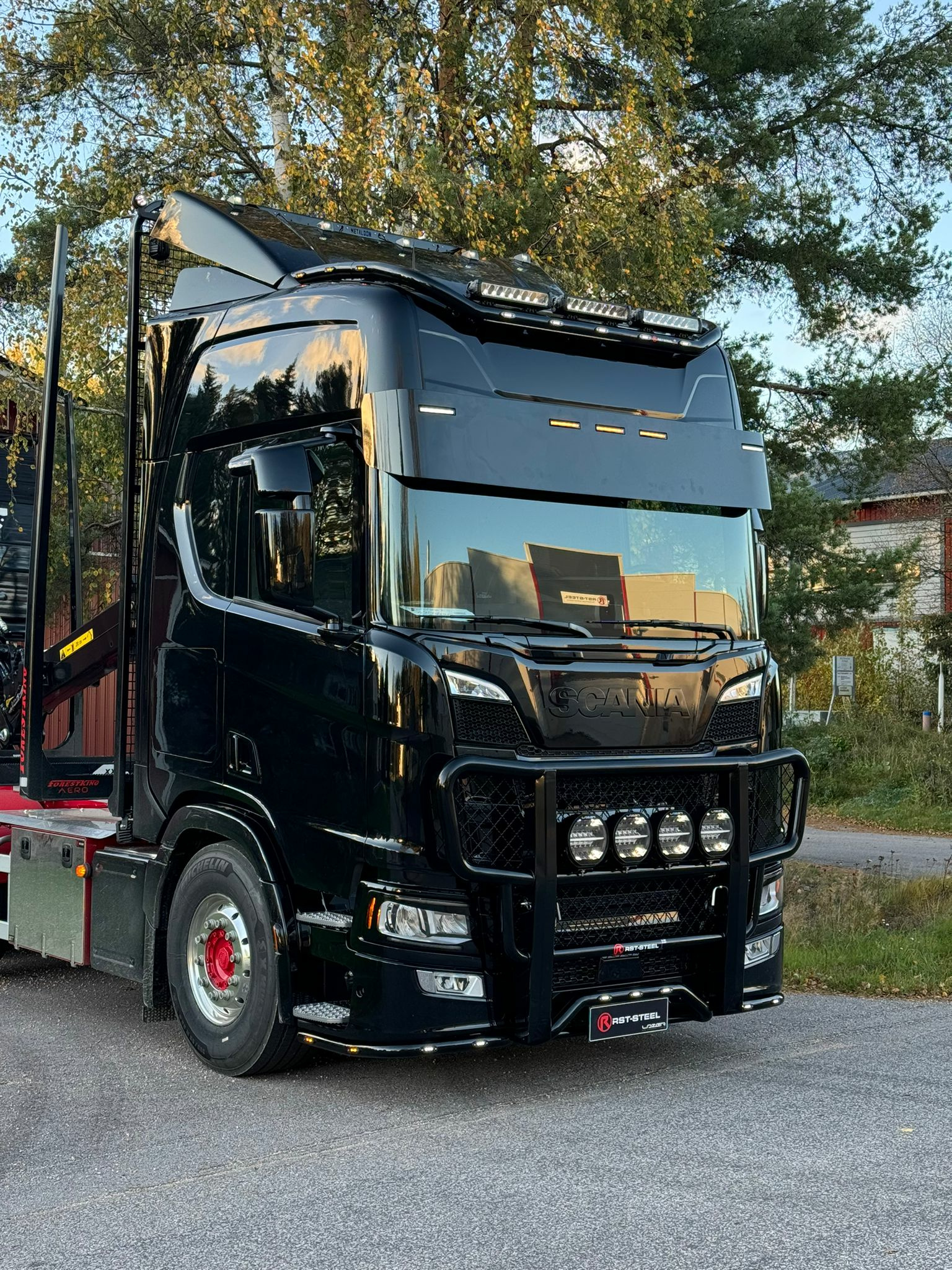
Truck wheel covers should be replaced as soon as visible damage appears, fitment becomes loose, or rim corrosion begins developing beneath the cover. For professional drivers operating in Nordic conditions, a practical rule is to inspect covers at every service interval and replace any cover showing cracks, warping, or compromised fastening. Waiting too long turns a minor maintenance task into a costly rim repair.
What are wheel covers on commercial trucks and what do they actually protect?
Truck wheel covers are rigid panels fitted over the rims of commercial vehicles, designed to shield the wheel assembly from road debris, moisture, brake dust, and corrosion. On heavy commercial vehicles, they serve a dual purpose: functional rim protection and aerodynamic contribution. They are produced to fit the two standard rim sizes used in professional transport, 22.5 inch and 19.5 inch, covering both drive axles and steer axles.
The distinction between decorative and functional covers matters here. Purely decorative covers prioritise appearance, while functional commercial vehicle wheel covers are engineered to seal the rim face, reduce air turbulence around the wheel arch, and prevent the kind of long-term corrosion that shortens rim service life. On long-haul routes, where a truck accumulates hundreds of thousands of kilometres, that protective layer makes a measurable difference to overall maintenance costs.
What are the clearest signs that truck wheel covers need to be replaced?
The most obvious indicators are physical: cracks, chips, warping, and yellowed or faded discolouration. Any crack that runs across the face of the cover compromises its structural integrity and will worsen quickly under vibration. Warping, often caused by heat cycling near the brakes, means the cover no longer seats flush against the rim, allowing moisture and road salt to penetrate.
Beyond the visible, check for loose fitment and missing or damaged fasteners. A cover that moves when pressed by hand, or rattles while driving, is already failing in its protective role. During pre-trip inspections, also look for brake dust accumulation building up unevenly around the cover edge, which signals that the aerodynamic seal has broken down. If you remove the cover and find active rust forming on the rim surface, replacement is overdue.
How often should professional drivers inspect and replace wheel covers?
Wheel cover inspection should be integrated into every standard pre-trip check and reviewed thoroughly at each scheduled service. For high-mileage long-haul operations, a dedicated visual inspection every 50,000 kilometres is a sensible minimum. Nordic and northern European conditions accelerate wear significantly, so seasonal transitions, particularly spring after road salt season and autumn before winter, warrant a thorough check.
Freeze-thaw cycles cause cover materials to contract and expand repeatedly, weakening plastic at mounting points. Gravel roads add impact stress that urban delivery routes do not. Urban drivers face different wear patterns, with kerb contact and frequent low-speed manoeuvring causing edge damage. Fleet operators benefit from logging cover condition at each service, making it straightforward to identify covers approaching end of life before they fail on the road.
What happens if damaged or worn wheel covers are left on a truck?
A cracked or poorly fitted cover allows moisture and road salt direct access to the rim, accelerating corrosion in a way that a simple cover swap could have prevented entirely. Rim refurbishment or replacement is substantially more expensive than timely wheel cover replacement. A cover detaching at motorway speed is also a genuine road safety hazard, creating a projectile risk for following vehicles.
From a fuel economy perspective, a damaged cover that disrupts airflow around the wheel arch adds aerodynamic drag, a small but cumulative penalty across long distances. For transport companies and owner-operators, the professional image implications are equally real. Visibly deteriorated covers signal poor vehicle maintenance standards to clients and road authorities alike.
How do you choose the right replacement wheel covers for a commercial truck?
Fitment compatibility is the starting point. Confirm whether your rims are 22.5 inch or 19.5 inch before ordering, as these are not interchangeable. Material choice then comes down to operating priorities: ABS plastic covers are lightweight and cost-effective, while stainless steel covers offer superior durability and corrosion resistance in demanding Nordic conditions. Polished finishes suit presentation-focused operators; matte finishes are more practical for heavy-duty use.
Fastening system reliability under sustained vibration is worth evaluating carefully. Clip-based systems must maintain firm engagement across temperature extremes. When selecting a supplier, look for one that stocks full rim cover sets alongside individual accessories, so you can replace components without committing to a full set unnecessarily. RST-Steel supplies wheel covers for both 22.5″ and 19.5″ rims, along with the accessories needed for a complete fitment.
Keeping your truck’s wheel covers in good condition is one of the lower-cost maintenance decisions with a disproportionately positive effect on rim longevity, fuel efficiency, and professional presentation. If your covers are showing any of the wear signs above, browse our wheel cover range or get in touch with us directly to find the right fit for your vehicle.


 English
  Swedish
  Norwegian