
Which Roof Bars withstand harsh weather conditions best?
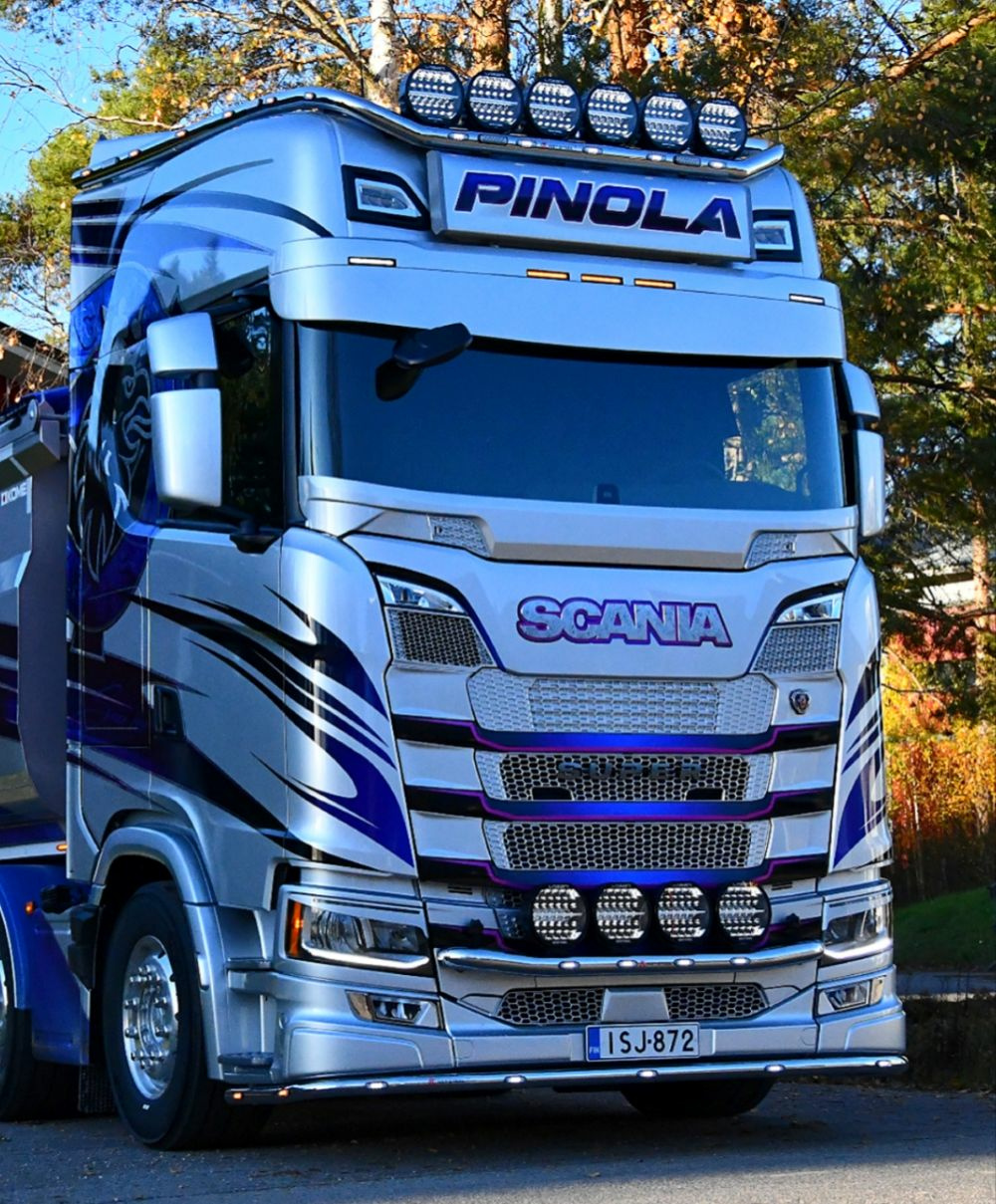
Roof bars for trucks face some of the harshest conditions imaginable — sub-zero temperatures, heavy snow loads, road salt, and constant freeze-thaw cycling. The roof bars that hold up best are those built from high-grade stainless steel with robust mounting systems and proper surface treatment. This article covers the key technical questions professional drivers ask when choosing durable truck roof bars for Nordic and other demanding year-round conditions.
What makes a roof bar truly weather-resistant in demanding Nordic conditions?
A genuinely weather-resistant roof bar must handle three simultaneous stressors: thermal contraction at sub-zero temperatures, corrosive road salt exposure, and the mechanical fatigue of repeated freeze-thaw cycles. A bar that performs well in mild climates can fail quickly when these stressors combine over a Finnish winter.
Material selection is the starting point, but construction quality matters just as much. Welded joints, seams, and bracket attachment points are where corrosion and stress fractures typically begin. Continuous, fully penetrated welds with no exposed porous areas resist moisture ingress far better than tack-welded assemblies. Surface treatment — whether passivation on stainless steel or hot-dip galvanizing on carbon steel — forms the barrier between the base material and the elements.
Snow load tolerance is another factor that often gets overlooked. A roof bar carrying auxiliary lights accumulates snow and ice during winter driving, adding dynamic load to an already stressed mounting system. Bars engineered for Nordic conditions account for this through heavier wall thickness and reinforced bracket geometry.
Which materials and grades perform best when roof bars are exposed to extreme cold, salt, and moisture?
Grade 304 stainless steel is the standard choice for most truck roof bars, offering good corrosion resistance and structural integrity across a wide temperature range. Grade 316 adds molybdenum to the alloy, which significantly improves resistance to chloride-induced pitting — the specific type of corrosion caused by road salt. For trucks operating year-round on salted Nordic roads, 316 is the more durable long-term option.
Galvanized steel provides solid corrosion protection at lower cost, but the zinc coating is vulnerable to mechanical damage. Once scratched through to bare steel, corrosion accelerates quickly in salt-heavy environments. Aluminum alloys are lightweight and naturally corrosion-resistant, but they lose structural stiffness at very low temperatures and can suffer galvanic corrosion where they contact steel mounting hardware — a real concern on working trucks.
For professional drivers running year-round in demanding conditions, high-grade stainless steel roof bars remain the most reliable choice when total service life and maintenance cost are considered together.
How does a roof bar’s mounting system affect its durability and safety under heavy weather loads?
The mounting system is where most roof bar failures originate. Vehicle-specific bracket designs distribute load across the cab roof structure properly, whereas universal mounts concentrate stress at fewer points, which accelerates fatigue cracking under the vibration loads of highway driving — particularly in crosswind and storm conditions.
Bracket material, wall thickness, and the quality of fasteners used all contribute directly to long-term safety. Stainless fasteners resist corrosion and maintain clamping force over time; standard zinc-plated bolts corrode and lose torque, creating movement at the mount. Any movement at the mounting point amplifies vibration throughout the bar and any lights attached to it.
Load distribution also matters when auxiliary lights are fitted. The combined weight of multiple light units, plus aerodynamic drag at speed, places continuous bending stress on both the bar and its mounts. A properly engineered mounting system handles this without flex or creep, keeping the assembly safe and the lights properly aligned.
What should professional drivers look for when choosing a roof bar that also supports auxiliary lighting?
When a truck roof bar needs to carry auxiliary lighting, the bar itself becomes a structural platform with specific load and wiring requirements. Check the manufacturer’s stated load rating for the bar and compare it against the combined weight of all lights you plan to mount, including any future additions. Undersized bars flex under load, which stresses light brackets and wiring connections.
Wiring management is critical in a weatherproofing context. Roof bars designed for lighting integration include sealed cable-routing channels or grommeted entry points that prevent water ingress into the cab. Exposed wiring runs corrode at connectors and create fault points over time. Position light compatibility is also worth confirming — many Nordic road regulations require position lights on vehicles above certain dimensions, and a bar pre-drilled and rated for position light mounting simplifies compliance significantly.
At RST-Steel, we manufacture stainless steel roof bars designed specifically for the most common truck brands, with integrated lighting support built in from the start. If you want professional truck accessories that are built for Finnish conditions and fitted correctly, contact our team to find the right roof bar solution for your vehicle.


 English
  Swedish
  Norwegian