
Why do auxiliary lights illuminate differently from the vehicle’s main high beams?
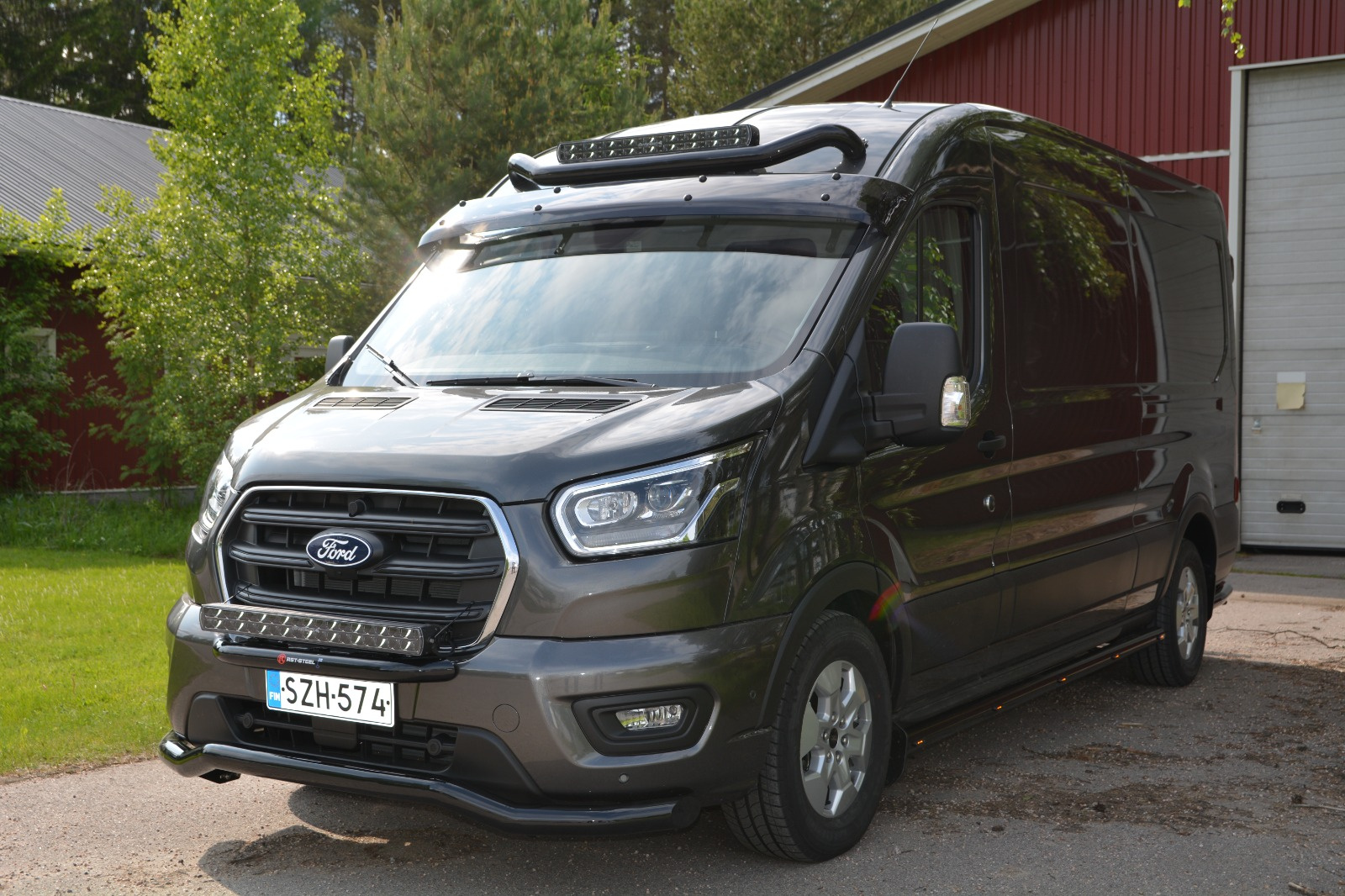
Auxiliary lights produce different illumination effects compared to vehicle high beams due to their specialised optical design, focused beam patterns, and advanced LED technology. While high beams provide general forward lighting, auxiliary lights are engineered for specific tasks such as long-distance spotting or wide-area flood lighting. This creates distinct visual differences in brightness, colour temperature, and light distribution that enhance driving safety and visibility.
What makes auxiliary lights fundamentally different from your vehicle’s main high beams?
Auxiliary lights feature purpose-built optical systems designed for specific lighting tasks, while high beams serve as general-purpose illumination. Factory high beams use standardised reflector housings and lens designs that must comply with road regulations for beam cut-off and spread patterns.
The core engineering differences lie in reflector geometry and lens technology. Auxiliary lights employ precision-engineered reflectors with computer-optimised faceting that controls light direction more precisely than standard automotive reflectors. This allows manufacturers to create spot beams for long-distance visibility or flood patterns for wide-area illumination.
High beams must balance multiple requirements, including oncoming traffic safety, regulatory compliance, and general visibility needs. This compromise approach means they cannot excel in specific applications such as off-road lighting or professional work environments, where auxiliary lights truly shine.
How do beam patterns and light distribution create different illumination effects?
Beam pattern design determines how light spreads across the road surface and into the distance. High beams typically use a standardised pattern that provides moderate reach with controlled side spill to avoid blinding other drivers.
Auxiliary lights offer three distinct beam patterns:
- Spot beams concentrate light into a narrow, long-reaching pattern for maximum distance visibility
- Flood beams spread light widely for peripheral vision and close-range work areas
- Combination beams blend spot and flood characteristics for versatile performance
These specialised patterns create dramatically different photometric characteristics. Spot auxiliary lights can project usable light 400–600 metres ahead, while flood patterns illuminate areas 30–50 metres wide. High beams typically reach 150–200 metres with moderate spread, making them less effective for specific professional or recreational applications.
Why do LED auxiliary lights appear brighter and whiter than halogen high beams?
LED technology produces higher lumen output with cooler colour temperatures compared to traditional halogen systems. Most auxiliary LED lights operate at a 5000–6500 K colour temperature, appearing crisp white or slightly blue-white to the human eye.
Halogen high beams typically operate at around 3200 K, producing warm yellow-orange light that appears dimmer even when actual lumen output is similar. Human eyes perceive cooler, whiter light as brighter due to evolutionary adaptation to daylight conditions.
LED efficiency also allows auxiliary lights to convert more electrical energy into visible light rather than heat. Modern LED auxiliary lights can produce 100–150 lumens per watt, while halogen systems manage only 15–25 lumens per watt. This efficiency advantage enables auxiliary lights to deliver substantially more actual brightness from similar power consumption.
Which auxiliary light options provide the best value for professional and consumer applications?
Professional applications benefit most from premium lighting systems such as Lazer Lamps, which offer superior build quality, advanced optics, and reliable performance in demanding conditions. These represent the highest investment but deliver exceptional longevity and performance.
For balanced performance and value, mid-range options including Purelux and OZZ provide excellent price-to-performance ratios. These lights offer quality construction with good optical design at more accessible price points, suitable for regular professional use and serious recreational applications.
Consumer-focused applications often find excellent value in Optibeam auxiliary lights, which deliver reliable LED performance and modern features at budget-friendly prices. These options provide significant improvements over factory lighting without premium investment requirements.
The key to selecting appropriate auxiliary lighting lies in matching the technology level with actual usage requirements. Professional drivers requiring daily reliability benefit from premium systems, while occasional users can achieve excellent results with cost-effective consumer options.
Understanding these fundamental differences between auxiliary lights and high beams helps drivers make informed decisions about vehicle lighting upgrades. At RST-Steel, we offer comprehensive auxiliary lighting solutions across all price ranges, from premium Lazer Lamps to cost-effective Optibeam systems. Our technical expertise ensures that you select the optimal lighting solution for your specific driving requirements and budget considerations. For detailed product specifications and expert guidance, contact our team today.
Related Posts
Can Sun Visors be adjusted to different positions?
Yes — truck sun visors adjust in multiple ways. Here’s what every professional driver should know.
Which Cabin Outside accessories should be installed on a truck?
Protect your truck and improve safety with the right cabin exterior accessories for professional drivers.
How does Cabin Inside affect driver well-being?
Poor cabin ergonomics silently drains driver alertness — discover which interior accessories make the biggest difference on long hauls.
Which seat covers are suitable for professional use?
Not all seat covers handle daily cab life. Find out which materials and features truly meet professional standards.
Which Work Light Bars are the most efficient on a truck?
Not all truck light bars are equal — discover which specs, beam patterns, and ratings truly deliver on the job.
Can Work Light Bars be used on public roads?
Work light bars are illegal on EU public roads — here’s what every professional truck driver must know.
Can Front Spoiler Bars be repaired after damage?
Damaged front spoiler bar? Discover repair methods, assessment tips, and when replacement beats repair costs.
Which Front Spoiler Bars withstand impacts best?
Not all front spoiler bars survive real-world punishment — material grade, weld quality, and bracket engineering make all the difference.
How do Front Spoiler Bars affect a truck’s air resistance?
Front spoiler bars do more than manage airflow — discover their real aerodynamic impact and practical benefits for truck drivers.
When should Wheel Covers be replaced?
Damaged truck wheel covers risk costly rim repairs and road safety hazards — here’s exactly when to replace them.
How should Wheel Covers be cleaned effectively?
Brake dust, road salt, wrong cleaner — discover the step-by-step wheel cover cleaning routine that protects your rims long-term.
Which lights work best on a Roof Bar?
LED vs halogen, beam patterns, and key specs — find the best roof bar lights for professional trucks.
Which Front Bars fit different truck models?
Discover which stainless steel front bars fit major European truck models — and how to choose the right one.
How should Cabin Inside cleaning be carried out professionally?
Master professional truck cabin cleaning with the right tools, techniques, and schedules every driver needs.
How can Cabin Inside lighting be improved?
Discover how the right truck cabin lighting reduces driver fatigue and transforms your cab into a productive workspace.
Which Front Spoiler Bars are suitable for city driving?
Protect your truck’s front bumper in city traffic — discover which front spoiler bars handle urban hazards best.
What are Front Spoiler Bars on a truck?
Discover how front spoiler bars shield truck bumpers from real-world hazards — reducing costly downtime and repair bills.
Is a Bull Bar mandatory on a truck?
Bull bars aren’t mandatory on trucks — but here’s why professional drivers treat them as essential.


 Norwegian
  English
  Swedish