
Which bull bar best withstands collisions with animals?
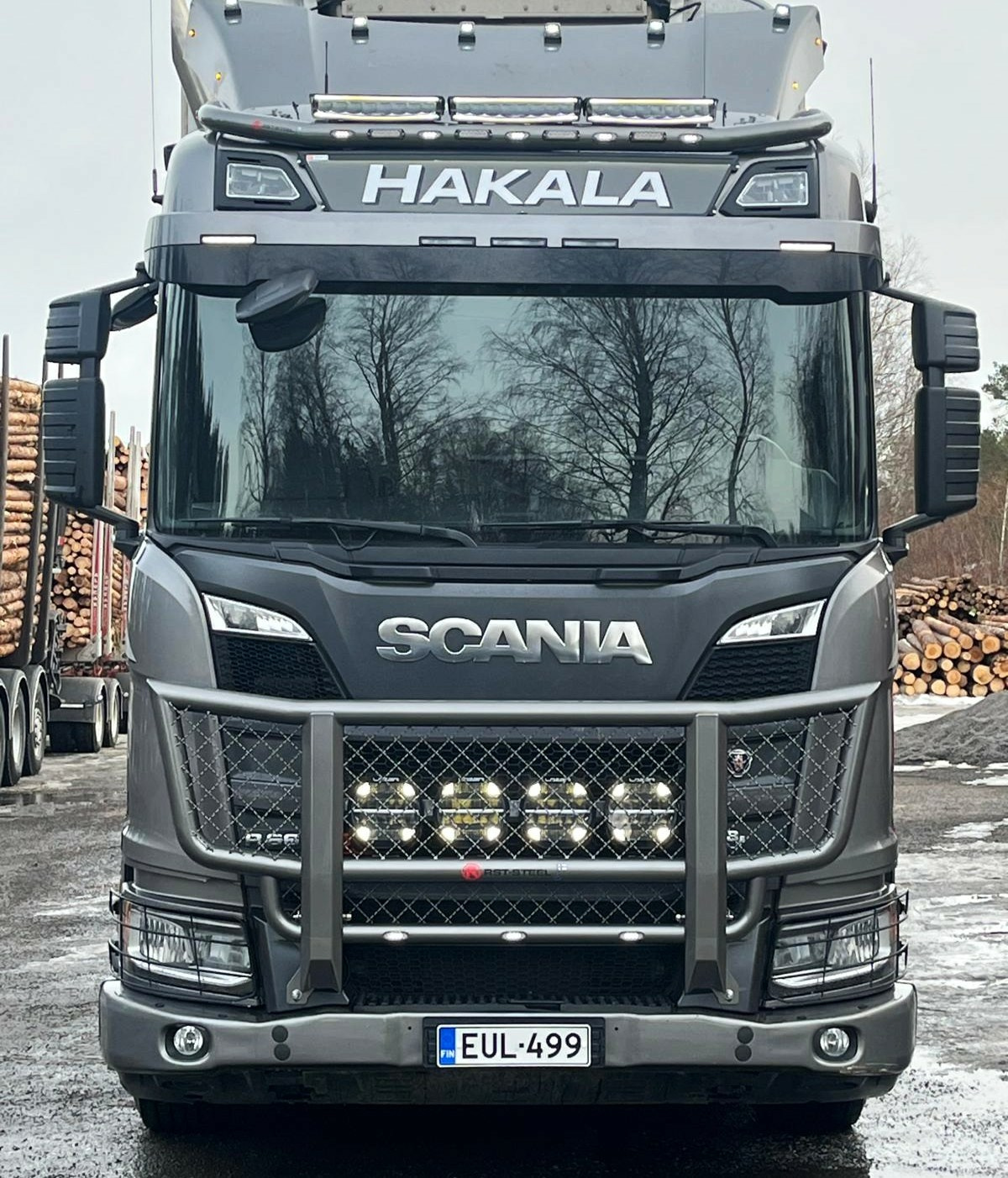
The most collision-resistant bull bars combine high-strength steel construction, proper mounting systems, and strategic impact-distribution design. Heavy-duty bull bars like the Freeway series offer maximum protection for commercial vehicles, while lighter options such as Dakar and Lite models provide adequate protection for specific driving conditions. Choosing the right bull bar depends on your vehicle type, wildlife exposure risk, and operational requirements.
What makes a bull bar effective against animal collisions?
A bull bar’s collision resistance depends on material strength, mounting integration, and impact distribution working together as a unified protection system. High-grade steel construction forms the foundation, but the mounting system determines how effectively collision forces transfer through the vehicle’s chassis rather than concentrating at weak points.
The physics of animal impacts involves sudden force transfer that can damage vehicle fronts, radiators, and lighting systems. Effective bull bars absorb initial impact energy through their structure while redirecting remaining forces along predetermined paths. This prevents concentrated damage that could disable your vehicle or compromise safety systems.
Structural integrity becomes critical during collision scenarios. Well-designed bull bars maintain their shape under impact, continuing to protect vehicle components even after absorbing significant force. The mounting system must distribute loads across multiple chassis connection points, preventing localised stress that could cause mounting failure or chassis damage.
Impact-distribution design ensures collision energy spreads across the bull bar’s entire structure rather than concentrating at the impact point. This approach minimises deformation while maintaining protection for headlights, grilles, and cooling systems that are expensive to repair and essential for continued operation.
Which bull bar design offers the best protection for heavy commercial vehicles?
Freeway bull bars provide maximum collision resistance for heavy commercial vehicles through their massive construction and comprehensive coverage. These designs offer the highest level of protection for trucks, delivery vehicles, and professional transport operating in high-risk wildlife areas where collision probability remains elevated.
Freeway models feature robust steel construction that handles severe impacts without compromising structural integrity. Their extensive coverage protects headlights, indicators, and cooling systems while maintaining ground clearance for off-road capability. The mounting system distributes forces across multiple chassis points, essential for heavier vehicles that generate greater collision energies.
Dakar bull bars offer targeted protection with refined aesthetics, designed for specific vehicle models where precise fitment matters. These provide excellent collision resistance while maintaining vehicle proportions and approach angles. Professional drivers appreciate the balance between protection and vehicle handling characteristics.
Lite bull bars deliver fundamental animal-impact protection for lighter commercial use. They offer essential collision resistance without additional mass that could affect fuel consumption or vehicle dynamics. These work well for urban delivery vehicles or light commercial applications where extreme protection isn’t required but basic wildlife safety remains important.
Fleet operators should consider collision frequency, vehicle replacement costs, and operational requirements when selecting protection levels. Heavy transport in rural areas benefits from maximum protection, while urban operations might prioritise lighter solutions that maintain manoeuvrability.
How do you choose the right bull bar for your specific driving conditions?
Select bull bars based on an assessment of wildlife density, vehicle usage patterns, and operational environment. High-risk rural routes with frequent large-animal encounters require maximum protection, while urban or suburban driving might need only basic collision resistance for occasional wildlife encounters.
Vehicle type significantly influences bull bar selection. Heavy commercial vehicles benefit from robust protection that matches their operational demands, while lighter vehicles need proportionate protection that doesn’t compromise handling or fuel efficiency. Consider your vehicle’s front-end configuration, including sensor locations and cooling requirements.
Driving-environment assessment includes route analysis, seasonal wildlife activity, and collision-probability evaluation. Rural highways, forest roads, and agricultural areas present higher risks requiring comprehensive protection. Urban routes with occasional rural segments might justify moderate protection levels.
Professional drivers should evaluate replacement costs, downtime implications, and insurance considerations. Vehicle-off-road time for repairs affects operational profitability, making prevention through appropriate bull bar selection a sound business investment. Fleet managers can analyse incident data to determine optimal protection levels across different vehicle categories.
Usage patterns matter significantly. Long-haul transport, emergency services, and rural delivery operations face different risk profiles requiring tailored protection approaches. Consider seasonal variations, night-driving frequency, and route flexibility when making selection decisions.
For professional guidance on selecting the right bull bar for your specific vehicle and operating conditions, RST-Steel’s experienced team can assess your requirements and recommend appropriate protection solutions. Contact our specialists to ensure optimal collision resistance matched to your exact needs and driving environment.
Related Posts
Can Sun Visors be adjusted to different positions?
Yes — truck sun visors adjust in multiple ways. Here’s what every professional driver should know.
Which Cabin Outside accessories should be installed on a truck?
Protect your truck and improve safety with the right cabin exterior accessories for professional drivers.
How does Cabin Inside affect driver well-being?
Poor cabin ergonomics silently drains driver alertness — discover which interior accessories make the biggest difference on long hauls.
Which seat covers are suitable for professional use?
Not all seat covers handle daily cab life. Find out which materials and features truly meet professional standards.
Which Work Light Bars are the most efficient on a truck?
Not all truck light bars are equal — discover which specs, beam patterns, and ratings truly deliver on the job.
Can Work Light Bars be used on public roads?
Work light bars are illegal on EU public roads — here’s what every professional truck driver must know.
Can Front Spoiler Bars be repaired after damage?
Damaged front spoiler bar? Discover repair methods, assessment tips, and when replacement beats repair costs.
Which Front Spoiler Bars withstand impacts best?
Not all front spoiler bars survive real-world punishment — material grade, weld quality, and bracket engineering make all the difference.
How do Front Spoiler Bars affect a truck’s air resistance?
Front spoiler bars do more than manage airflow — discover their real aerodynamic impact and practical benefits for truck drivers.
When should Wheel Covers be replaced?
Damaged truck wheel covers risk costly rim repairs and road safety hazards — here’s exactly when to replace them.
How should Wheel Covers be cleaned effectively?
Brake dust, road salt, wrong cleaner — discover the step-by-step wheel cover cleaning routine that protects your rims long-term.
Which lights work best on a Roof Bar?
LED vs halogen, beam patterns, and key specs — find the best roof bar lights for professional trucks.
Which Front Bars fit different truck models?
Discover which stainless steel front bars fit major European truck models — and how to choose the right one.
How should Cabin Inside cleaning be carried out professionally?
Master professional truck cabin cleaning with the right tools, techniques, and schedules every driver needs.
How can Cabin Inside lighting be improved?
Discover how the right truck cabin lighting reduces driver fatigue and transforms your cab into a productive workspace.
Which Front Spoiler Bars are suitable for city driving?
Protect your truck’s front bumper in city traffic — discover which front spoiler bars handle urban hazards best.
What are Front Spoiler Bars on a truck?
Discover how front spoiler bars shield truck bumpers from real-world hazards — reducing costly downtime and repair bills.
Is a Bull Bar mandatory on a truck?
Bull bars aren’t mandatory on trucks — but here’s why professional drivers treat them as essential.


 Norwegian
  English
  Swedish