
Can a roof-mounted light bar replace auxiliary lights on the bumper?
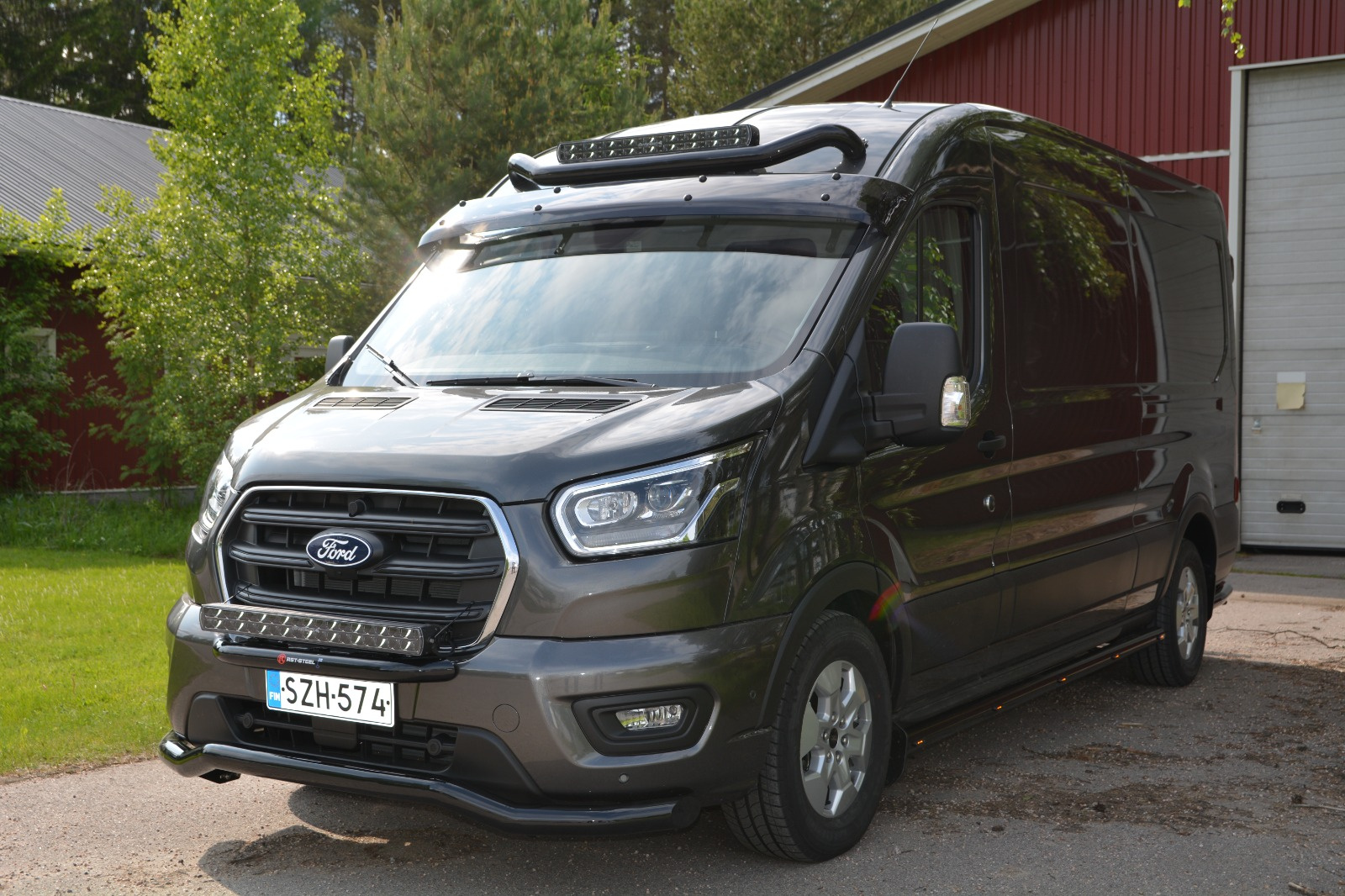
A roof-mounted light bar cannot fully replace bumper auxiliary lights for professional drivers. While roof mounting provides excellent long-distance illumination, it lacks the close-range coverage that bumper-mounted auxiliary lights deliver. The optimal solution often combines both mounting positions to achieve comprehensive lighting coverage for different driving conditions and safety requirements.
What’s the difference between roof-mounted light bars and bumper auxiliary lights?
Roof-mounted light bars and bumper auxiliary lights serve different purposes due to their mounting positions and beam characteristics. Roof-mounted light bars excel at long-distance illumination, projecting light further ahead thanks to their elevated position and typically wider beam patterns.
The mounting height significantly affects light distribution patterns. Roof-mounted systems cast light over obstacles such as other vehicles and roadside barriers, making them ideal for highway driving and open-terrain navigation. Their beam angles are optimised for distance, often featuring spot beam configurations that reach 500 metres or more.
Bumper auxiliary lights focus on close- to medium-range illumination, typically covering 50–200 metres effectively. Their lower mounting position provides better coverage of the immediate driving area, including road edges, wildlife detection, and obstacle identification. The beam spread patterns are designed to fill the gaps left by standard headlights, particularly in peripheral-vision areas.
Professional drivers benefit from understanding that each mounting position addresses specific visibility challenges. Roof bars handle long-range planning and early hazard detection, while bumper lights manage immediate driving safety and manoeuvrability in complex environments.
Can a roof-mounted light bar provide the same lighting performance as bumper-mounted auxiliary lights?
Roof-mounted light bars cannot replicate the specific performance characteristics of bumper auxiliary lights due to the fundamental physics of light distribution. The mounting height creates different beam projection angles that affect close-range illumination effectiveness and glare patterns for oncoming traffic.
Light distribution from elevated positions creates shadows directly in front of the vehicle, particularly noticeable within the first 20–30 metres. This shadow zone can hide important road hazards, pedestrians, or wildlife that bumper-mounted lights would illuminate effectively. The physics of light projection means higher mounting positions trade close-range coverage for distance performance.
Glare considerations also differ significantly between mounting positions. Roof-mounted systems can create more pronounced glare for oncoming drivers, especially on undulating roads where the elevated beam angle becomes more apparent. Bumper-mounted auxiliary lights maintain lower beam angles that reduce glare while providing essential fill lighting.
For professional drivers operating in varied conditions, the beam projection differences become critical safety factors. Urban environments, loading docks, and tight manoeuvring situations require the close-range coverage that only lower-mounted auxiliary lights can provide effectively.
Which auxiliary lighting solution offers better value for professional drivers?
The best-value auxiliary lighting solution depends on your specific driving requirements and budget constraints. Premium options like Lazer Lamps offer superior performance and durability for demanding professional applications, while budget-friendly Optibeam systems provide essential functionality for cost-conscious operators.
Lazer Lamps represent the premium tier, delivering exceptional build quality, advanced optics, and proven reliability in harsh conditions. These systems justify their higher initial cost through extended service life, superior light output, and minimal maintenance requirements. Professional drivers covering high mileage or operating in extreme conditions often find the long-term value compelling.
Mid-range options like Purelux and OZZ provide an excellent balance between performance and affordability. These systems offer reliable operation, good light output, and reasonable durability for most professional driving applications. They represent solid value for drivers seeking quality without premium pricing.
Optibeam systems serve the budget-conscious segment effectively, providing essential auxiliary lighting functionality at accessible price points. While they may lack some advanced features of premium systems, they deliver reliable basic performance for standard professional driving requirements.
Installation complexity and maintenance requirements also impact long-term value. Professional installation ensures optimal performance and warranty compliance, while proper maintenance extends service life regardless of the chosen system tier. Consider your total operational costs, including installation, maintenance, and replacement frequency, when evaluating different auxiliary lighting solutions.
Ready to enhance your vehicle’s lighting performance? Contact our lighting specialists to discuss the optimal auxiliary lighting configuration for your professional driving needs and explore our comprehensive range, from premium Lazer systems to cost-effective solutions.
Related Posts
Can Sun Visors be adjusted to different positions?
Yes — truck sun visors adjust in multiple ways. Here’s what every professional driver should know.
Which Cabin Outside accessories should be installed on a truck?
Protect your truck and improve safety with the right cabin exterior accessories for professional drivers.
How does Cabin Inside affect driver well-being?
Poor cabin ergonomics silently drains driver alertness — discover which interior accessories make the biggest difference on long hauls.
Which seat covers are suitable for professional use?
Not all seat covers handle daily cab life. Find out which materials and features truly meet professional standards.
Which Work Light Bars are the most efficient on a truck?
Not all truck light bars are equal — discover which specs, beam patterns, and ratings truly deliver on the job.
Can Work Light Bars be used on public roads?
Work light bars are illegal on EU public roads — here’s what every professional truck driver must know.
Can Front Spoiler Bars be repaired after damage?
Damaged front spoiler bar? Discover repair methods, assessment tips, and when replacement beats repair costs.
Which Front Spoiler Bars withstand impacts best?
Not all front spoiler bars survive real-world punishment — material grade, weld quality, and bracket engineering make all the difference.
How do Front Spoiler Bars affect a truck’s air resistance?
Front spoiler bars do more than manage airflow — discover their real aerodynamic impact and practical benefits for truck drivers.
When should Wheel Covers be replaced?
Damaged truck wheel covers risk costly rim repairs and road safety hazards — here’s exactly when to replace them.
How should Wheel Covers be cleaned effectively?
Brake dust, road salt, wrong cleaner — discover the step-by-step wheel cover cleaning routine that protects your rims long-term.
Which lights work best on a Roof Bar?
LED vs halogen, beam patterns, and key specs — find the best roof bar lights for professional trucks.
Which Front Bars fit different truck models?
Discover which stainless steel front bars fit major European truck models — and how to choose the right one.
How should Cabin Inside cleaning be carried out professionally?
Master professional truck cabin cleaning with the right tools, techniques, and schedules every driver needs.
How can Cabin Inside lighting be improved?
Discover how the right truck cabin lighting reduces driver fatigue and transforms your cab into a productive workspace.
Which Front Spoiler Bars are suitable for city driving?
Protect your truck’s front bumper in city traffic — discover which front spoiler bars handle urban hazards best.
What are Front Spoiler Bars on a truck?
Discover how front spoiler bars shield truck bumpers from real-world hazards — reducing costly downtime and repair bills.
Is a Bull Bar mandatory on a truck?
Bull bars aren’t mandatory on trucks — but here’s why professional drivers treat them as essential.


 Norwegian
  English
  Swedish