
How does the color temperature of an auxiliary light affect visibility?
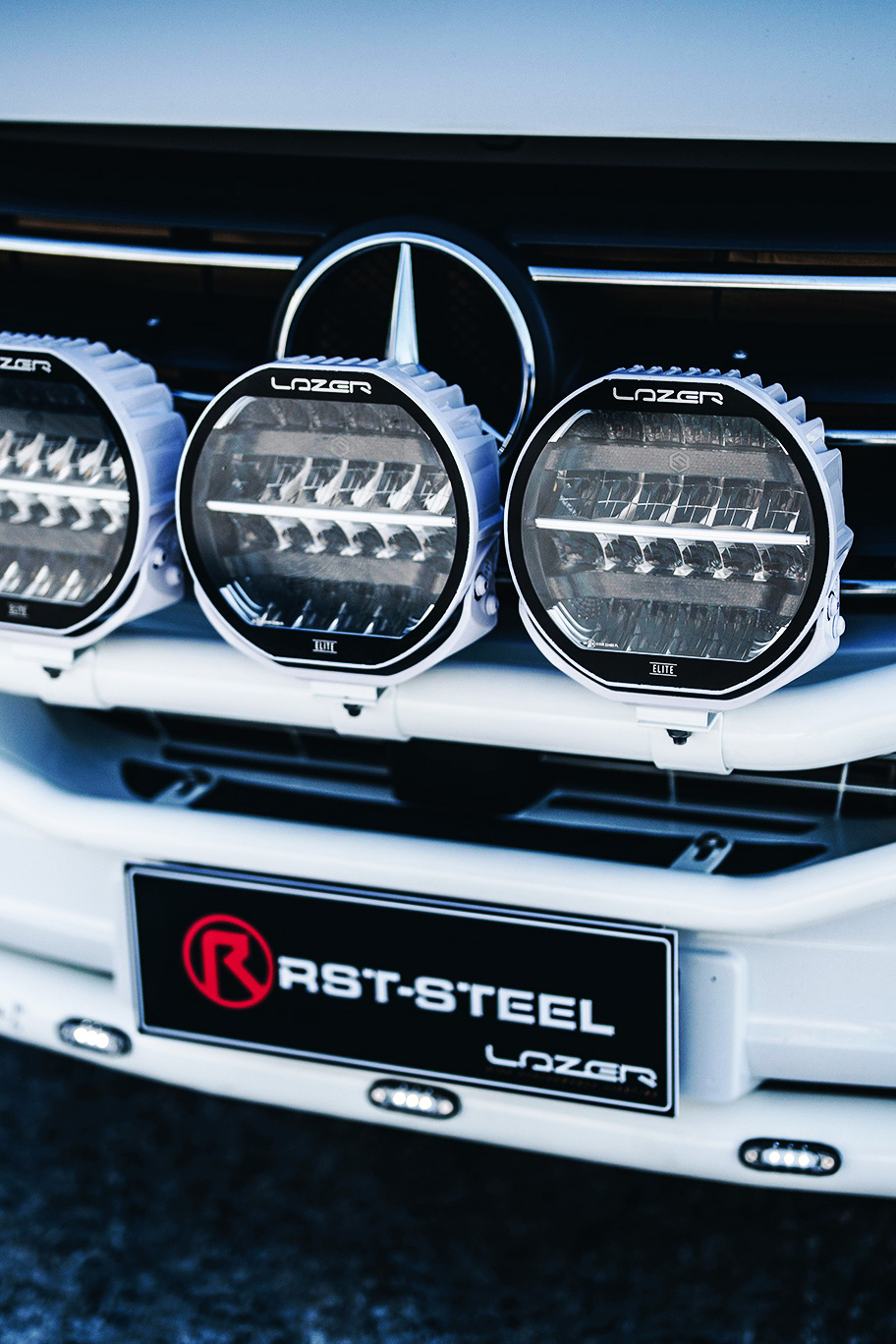
Color temperature in auxiliary lights, measured in Kelvin (K), significantly affects driving visibility by determining the light’s appearance from warm yellow (3000K) to cool white (6500K). The right color temperature improves contrast, reduces eye strain, and enhances safety in different weather conditions. Professional drivers benefit from understanding how different color temperatures perform in various environments.
What is color temperature in auxiliary lights and why does it matter for professional drivers?
Color temperature measures the hue of light on the Kelvin scale, ranging from warm yellowish tones around 3000K to cool bluish-white light at 6500K and above. This measurement directly impacts how your eyes perceive objects, contrast, and depth while driving.
For professional drivers who spend extended hours on the road, color temperature affects eye strain and visual fatigue. Warm light reduces harsh glare and feels more comfortable during long drives, while cool light provides sharper contrast for identifying road hazards and obstacles. The visible spectrum differences mean warm light appears more yellow, similar to incandescent bulbs, whereas cool light appears whiter and more similar to daylight.
The impact on driving safety becomes crucial when considering that professional drivers often work in varying light conditions throughout their shifts. Proper color temperature selection can reduce headaches, improve reaction times, and help maintain alertness during extended driving periods.
How does different color temperature affect visibility in various driving conditions?
Warm light (3000K–4000K) excels in foggy, rainy, and dusty conditions because longer wavelengths penetrate atmospheric particles more effectively. Cool light (5000K–6500K) performs better in clear conditions and provides superior long-distance visibility for night driving and off-road environments.
In fog and rain, warm auxiliary lights cut through moisture and particles that scatter cool light. The 3000K–4000K range reduces backscatter, which occurs when light reflects off water droplets back towards the driver. This makes warm light essential for professional drivers operating in coastal areas or regions with frequent weather changes.
Cool light temperatures prove advantageous in clear conditions because they enhance contrast and object definition. The 5000K–6500K range closely matches daylight, making it easier to distinguish between different surfaces, identify road markings, and spot wildlife or obstacles at greater distances. Off-road driving particularly benefits from cool light’s ability to reveal terrain details and surface variations.
Desert environments and dusty conditions favor warm temperatures, while mountain driving and clear night conditions work better with cool light. Professional drivers should consider their primary operating environment when selecting auxiliary light color temperature.
What are the pros and cons of warm versus cool color temperature auxiliary lights?
Warm auxiliary lights offer superior fog penetration, reduced glare, and less eye fatigue during extended use. Cool auxiliary lights provide enhanced contrast, better object definition, and improved long-distance visibility. Each temperature range serves specific driving scenarios and personal comfort preferences.
Warm light benefits include reduced eye strain during long hauls, better performance in adverse weather, and less disruption to night vision when switching between auxiliary lights and standard headlights. Professional drivers often find warm light more comfortable for extended periods, particularly during overnight routes or early morning starts.
However, warm light limitations include reduced contrast in clear conditions and potentially less effective long-distance illumination. Objects may appear less defined, and road surface details might be harder to distinguish compared with cooler temperatures.
Cool light advantages encompass superior contrast for hazard identification, excellent performance in clear weather, and daylight-matching properties that feel natural to most drivers. Cool light excels at revealing road surface conditions, identifying lane markings, and spotting reflective materials at a distance.
Cool light drawbacks include increased glare potential, possible eye fatigue during very long drives, and poor performance in fog or heavy rain. The harsher light can also cause more disruption to other drivers if not properly aimed.
Which auxiliary light brands offer the best color temperature options for professional use?
Lazer Lamps provides premium color temperature consistency and one of the widest ranges of professional options. Purelux and OZZ offer excellent mid-range solutions with reliable color temperature performance. Optibeam delivers cost-effective auxiliary lights with dependable color temperature ratings for budget-conscious professional drivers.
Lazer Lamps represents the premium tier with superior color consistency across its range and advanced LED technology that maintains stable color temperature throughout the light’s lifespan. Its professional-grade auxiliary lights typically offer 4000K–6000K options with minimal variation between units, making them ideal for fleet applications where consistency matters.
Purelux and OZZ occupy the mid-range market with excellent value propositions. These brands provide reliable color temperature performance, typically ranging from 3000K to 6500K across different models. The quality differences compared with premium options are minimal for most professional applications, making them popular choices for independent operators and smaller fleets.
Optibeam serves the budget-conscious segment while maintaining professional reliability. Its auxiliary lights offer standard color temperature options around 4000K–5000K, providing good all-around performance without premium features. These lights suit professional drivers who need dependable lighting without the highest-end specifications.
When selecting auxiliary lights for professional use, consider not just the initial color temperature but also long-term consistency and warranty support. We stock all these brands and can help match the right color temperature to your specific driving requirements and operating conditions.
Related Posts
What are Roof Bars on a truck?
Discover what truck roof bars do, which types suit your cab, and why proper installation matters for safety.
How are Roof Bars installed?
A complete guide to truck roof bar installation — covering mounting, wiring, and safety for professional drivers.
What is the difference between a Roof Bar and a Work Light Bar?
Roof bar or work light bar? Know the key differences to choose the right fit for your truck.
How many lights can be mounted on a Roof Bar?
Most truck roof bars hold 2–8 lights — but legal limits, cab width, and wiring matter more than you’d think.
What are Front Bars?
Discover how stainless steel front bars simplify auxiliary light installation and boost truck visibility on demanding roads.
Where are Front Bars mounted on a truck?
Truck front bars mount on the grille frame — not the chassis. Here’s what they do and why it matters.
How do Front Bars affect aerodynamics?
Discover how front bars disrupt truck airflow, raise fuel costs, and how smart design choices minimize the aerodynamic trade-off.
Why are Bird Nets necessary on trucks?
One cracked windshield costs more than a bird net — here’s why professional drivers install them first.
Are Front Bars approved for road use?
Find out if front bars are road-legal for trucks and what EU and Finnish compliance rules you must know.
How are Bird Nets installed on a truck?
Protect your windshield with a properly installed stainless steel bird net — here’s exactly how it’s done.
Which Bird Nets are the most durable?
Stainless steel bird nets outlast the rest — here’s how to choose the most durable option for your truck.
Can Bird Nets be used in all weather conditions?
Stainless steel truck bird nets handle every season — here’s what makes them truly all-weather reliable.
How can the Cabin Inside of a truck be improved?
Discover practical truck cabin upgrades that improve driver comfort, reduce fatigue, and boost daily performance.
What are Sun Visors on a truck?
Discover how exterior truck sun visors reduce dangerous glare and improve driver safety on long highway runs.
Which Roof Bars withstand harsh weather conditions best?
Grade 316 stainless steel roof bars outperform the rest in harsh Nordic conditions — here’s exactly why.
How do Sun Visors improve driving comfort?
Discover how a truck sun visor reduces glare, prevents driver fatigue, and improves road safety on every long haul.
Which Sun Visors are best suited for professional use?
Not all sun visors are built for professional demands — here’s what separates purpose-built truck visors from the rest.
Can Sun Visors be adjusted to different positions?
Yes — truck sun visors adjust in multiple ways. Here’s what every professional driver should know.
Which Cabin Outside accessories should be installed on a truck?
Protect your truck and improve safety with the right cabin exterior accessories for professional drivers.
How does Cabin Inside affect driver well-being?
Poor cabin ergonomics silently drains driver alertness — discover which interior accessories make the biggest difference on long hauls.
Which seat covers are suitable for professional use?
Not all seat covers handle daily cab life. Find out which materials and features truly meet professional standards.
Which Work Light Bars are the most efficient on a truck?
Not all truck light bars are equal — discover which specs, beam patterns, and ratings truly deliver on the job.
Can Work Light Bars be used on public roads?
Work light bars are illegal on EU public roads — here’s what every professional truck driver must know.
Can Front Spoiler Bars be repaired after damage?
Damaged front spoiler bar? Discover repair methods, assessment tips, and when replacement beats repair costs.
Which Front Spoiler Bars withstand impacts best?
Not all front spoiler bars survive real-world punishment — material grade, weld quality, and bracket engineering make all the difference.
How do Front Spoiler Bars affect a truck’s air resistance?
Front spoiler bars do more than manage airflow — discover their real aerodynamic impact and practical benefits for truck drivers.
When should Wheel Covers be replaced?
Damaged truck wheel covers risk costly rim repairs and road safety hazards — here’s exactly when to replace them.
How should Wheel Covers be cleaned effectively?
Brake dust, road salt, wrong cleaner — discover the step-by-step wheel cover cleaning routine that protects your rims long-term.
Which lights work best on a Roof Bar?
LED vs halogen, beam patterns, and key specs — find the best roof bar lights for professional trucks.
Which Front Bars fit different truck models?
Discover which stainless steel front bars fit major European truck models — and how to choose the right one.
How should Cabin Inside cleaning be carried out professionally?
Master professional truck cabin cleaning with the right tools, techniques, and schedules every driver needs.
How can Cabin Inside lighting be improved?
Discover how the right truck cabin lighting reduces driver fatigue and transforms your cab into a productive workspace.
Which Front Spoiler Bars are suitable for city driving?
Protect your truck’s front bumper in city traffic — discover which front spoiler bars handle urban hazards best.
What are Front Spoiler Bars on a truck?
Discover how front spoiler bars shield truck bumpers from real-world hazards — reducing costly downtime and repair bills.
Is a Bull Bar mandatory on a truck?
Bull bars aren’t mandatory on trucks — but here’s why professional drivers treat them as essential.


 Norwegian
  English
  Swedish