
How to purchase auxiliary lights for a company fleet as easily as possible?
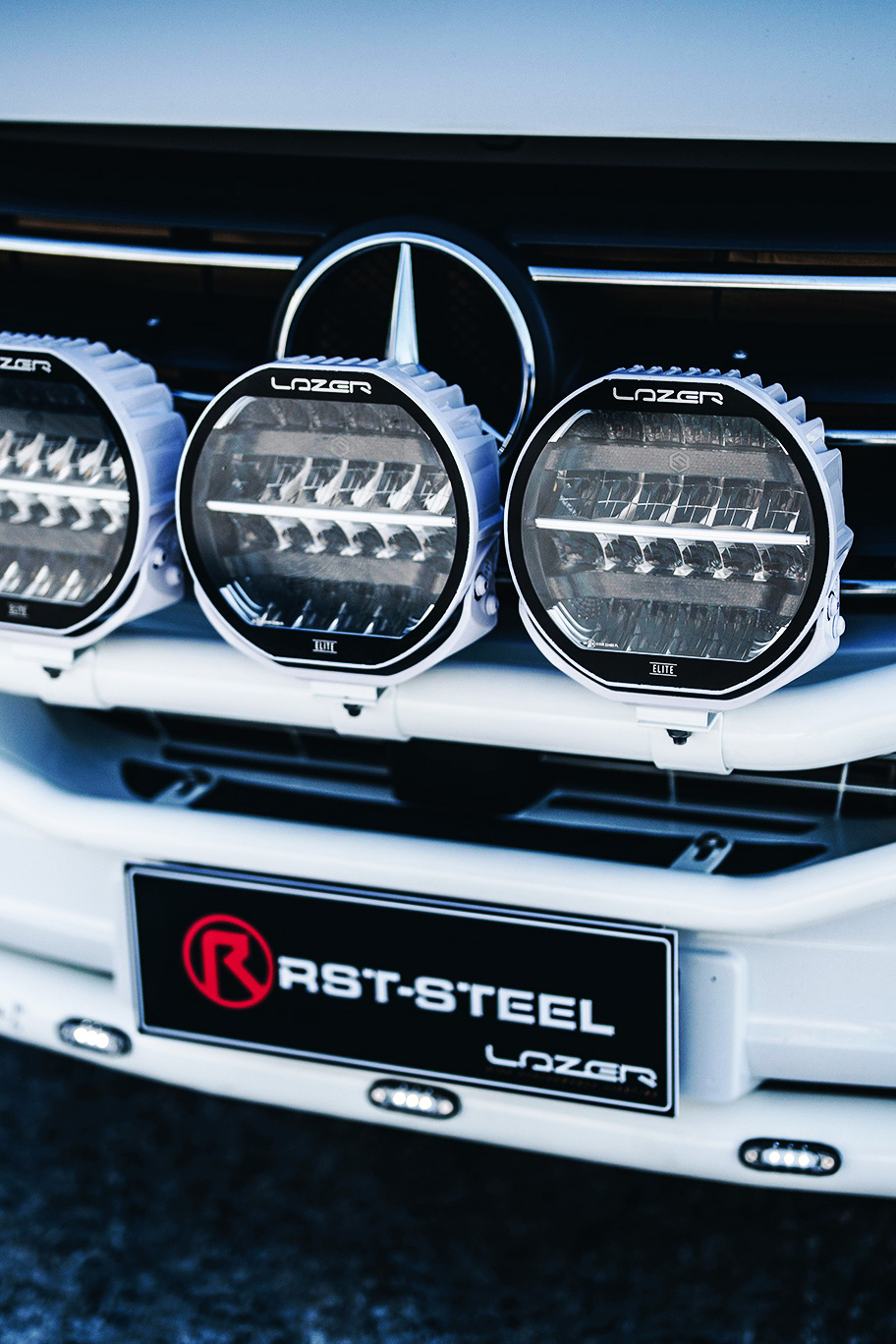
Purchasing auxiliary lights for your company fleet efficiently requires strategic planning, bulk procurement, and standardised installation processes. The key is choosing the right lighting systems for your specific fleet operations, comparing different price points from budget-friendly options to premium solutions, and implementing fleet-wide installations that minimise downtime while maximising safety benefits.
What are auxiliary lights and why are they essential for commercial fleet vehicles?
Auxiliary lights are additional lighting systems installed beyond standard vehicle headlights to enhance visibility and safety during commercial operations. These LED auxiliary lights include work lights, light bars, and spotlights specifically designed for professional drivers who operate in challenging conditions or for extended hours.
Commercial vehicle lighting serves multiple critical functions in fleet operations. During early morning deliveries, night shifts, or adverse weather conditions, auxiliary lighting systems provide the enhanced visibility that professional drivers need to operate safely. This improved illumination reduces accident risks, protects valuable cargo, and ensures driver confidence in challenging environments.
Vehicle safety lighting also addresses legal compliance requirements for many commercial operations. Construction vehicles, emergency services, and transport fleets often require specific lighting configurations to meet industry regulations. Auxiliary lighting systems help fleet managers maintain compliance while protecting their drivers and other road users.
The safety benefits extend beyond basic visibility improvements. Quality auxiliary lights reduce eye strain during long driving periods, improve peripheral vision for reversing and manoeuvring, and enhance the vehicle’s presence on busy roads. For fleet vehicles operating in rural areas, construction sites, or industrial environments, these lighting upgrades are essential safety equipment rather than optional accessories.
How do you choose the right auxiliary lighting system for different fleet vehicle types?
Selecting appropriate auxiliary lighting systems requires analysing your specific vehicle types, operational environments, and mounting requirements. Different fleet applications demand different lighting solutions, from compact LED work lights for delivery vans to powerful light bars for construction vehicles.
Vehicle-specific requirements vary significantly across fleet types. Delivery vehicles operating in urban environments benefit from wide-beam work lights that illuminate loading areas and improve reversing safety. Construction vehicles require robust, high-output lighting systems capable of withstanding harsh conditions while providing excellent forward illumination. Transport vehicles need aerodynamic solutions that do not compromise fuel efficiency.
Operational environment analysis determines lighting specifications. Urban fleets primarily need lights for loading, unloading, and low-speed manoeuvring. Rural operations require long-range illumination for country roads and remote locations. Construction and industrial fleets need versatile lighting systems capable of both task lighting and area illumination.
Power consumption considerations are crucial for fleet applications. Modern LED auxiliary lights offer excellent efficiency, but multiple lighting systems can still impact alternator capacity and fuel consumption. Integration with existing electrical systems requires professional assessment to ensure reliable operation without compromising vehicle warranties or electrical system integrity.
What’s the difference between budget and premium auxiliary light brands for fleet applications?
Budget and premium auxiliary light brands differ significantly in performance characteristics, durability, and long-term cost implications for commercial fleet operations. Understanding these differences helps fleet managers make informed decisions based on operational requirements and budget constraints.
Performance characteristics vary considerably across price ranges. Premium solutions like Lazer Lamps offer superior light output, advanced optical designs, and consistent performance in extreme conditions. These high-end systems provide exceptional beam patterns, longer illumination distances, and better colour rendering for professional applications requiring maximum visibility.
Mid-range options such as Purelux and OZZ deliver excellent value for most commercial applications. These systems offer reliable performance, good build quality, and adequate warranties for standard fleet operations. They provide the essential functionality most fleets require without premium pricing.
Budget-friendly solutions like Optibeam offer cost-effective lighting for basic applications. While these systems may have shorter lifespans and lower light output compared to premium alternatives, they serve well for fleets prioritising initial cost savings over maximum performance.
Long-term cost analysis reveals important considerations beyond the initial purchase price. Premium systems typically offer longer warranties, better durability, and lower replacement frequencies. Maintenance costs, downtime for replacements, and performance consistency over time often favour higher-quality systems for intensive commercial use.
How do you implement auxiliary lighting across an entire fleet efficiently?
Efficient fleet-wide auxiliary lighting implementation requires strategic planning, bulk purchasing negotiations, and coordinated installation scheduling to minimise operational disruption while maximising cost savings and standardisation benefits.
Strategic planning begins with comprehensive fleet assessment and lighting requirements analysis. Document each vehicle type, operational requirements, and mounting preferences. This information enables bulk purchasing decisions and ensures consistent specifications across similar vehicle categories. Standardisation simplifies maintenance, reduces spare parts inventory, and streamlines driver training.
Bulk purchasing considerations offer significant cost-optimisation opportunities. Volume discounts, extended warranties, and package deals become available when purchasing complete fleet solutions. Coordinating purchases also ensures consistent product availability and reduces procurement complexity across multiple vehicle categories.
Installation logistics require careful coordination to minimise vehicle downtime. Professional installation services can often accommodate multiple vehicles simultaneously, reducing individual vehicle off-road time. Scheduling installations during planned maintenance periods or quiet operational periods maximises efficiency while maintaining service levels.
Establishing maintenance protocols ensures consistent performance across the fleet. Regular inspection schedules, cleaning procedures, and replacement protocols help maintain optimal lighting performance. Standardised systems simplify maintenance training and ensure technicians can service any fleet vehicle efficiently.
When implementing auxiliary lighting across your commercial fleet, partnering with experienced suppliers ensures professional results and ongoing support. We offer comprehensive fleet lighting solutions, from initial consultation through installation and maintenance support, helping you achieve optimal safety and efficiency outcomes for your professional drivers. For expert guidance on your fleet lighting requirements, contact us today.


 Norwegian
  English
  Swedish