
What is a good auxiliary light for Finnish winter conditions?
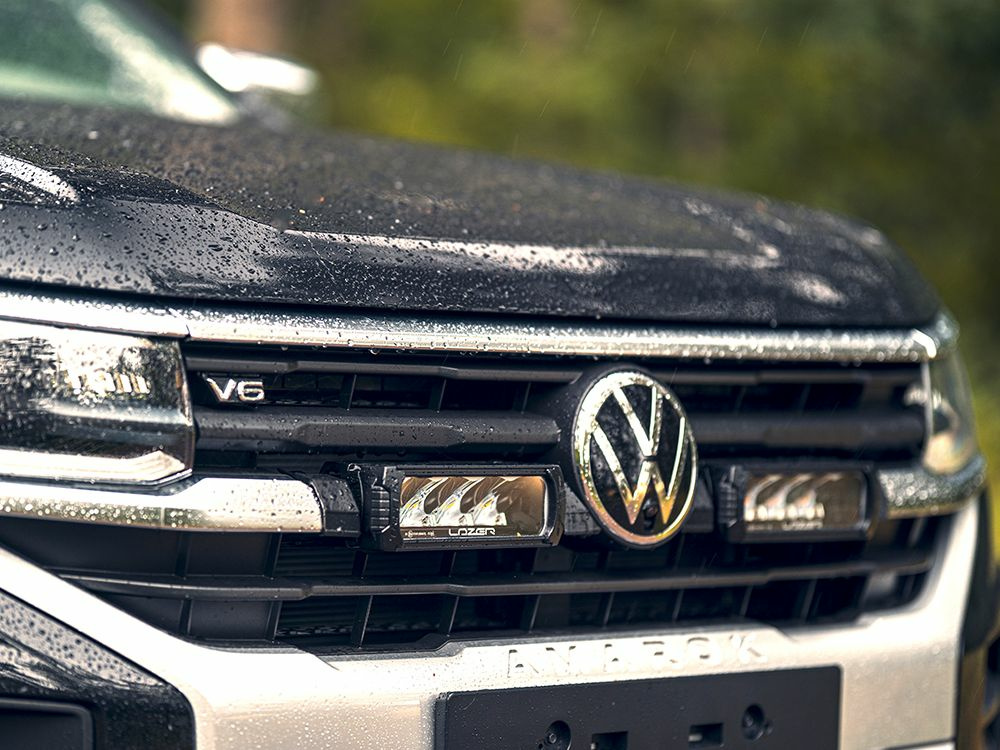
Professional drivers in Finland need auxiliary lights specifically designed for extreme winter conditions, including sub-zero temperatures down to -40°C, extended periods of darkness, and challenging snow reflection. High-quality LED auxiliary lights with proper IP67 ratings, robust housing materials, and ECE approval provide reliable winter visibility solutions. The best options combine spot and flood beam patterns with a 5000K colour temperature for optimal snow and ice visibility.
What makes auxiliary lights suitable for Finnish winter conditions?
Auxiliary lights for Finnish winters must withstand extreme temperature variations from -40°C to +80°C, handle constant moisture exposure, and perform reliably during extended periods of darkness lasting up to 20 hours a day. Critical specifications include IP67 or higher ratings for complete dust and water protection, polycarbonate or tempered glass lenses that resist thermal shock, and aluminium die-cast housings with proper thermal management.
Temperature extremes create unique challenges for auxiliary lighting systems. Electronic components must maintain stable performance when transitioning from heated garages to frozen outdoor conditions. High-quality auxiliary lights feature thermal compensation circuits that adjust LED output based on operating temperature, preventing performance degradation and extending component life.
Snow reflection significantly impacts visibility requirements in Finnish conditions. Auxiliary lights need precise beam control to minimise glare while maximising useful illumination. Anti-reflective lens coatings and carefully designed reflector patterns help reduce snow glare while maintaining adequate forward lighting distance for safe winter driving speeds.
Which beam patterns work best for winter driving in Finland?
Combination beam patterns perform best for Finnish winter driving, featuring a concentrated spot beam centre for long-range visibility and flood beam edges for peripheral illumination. This design provides both the distance visibility needed for highway speeds and the wide coverage essential for detecting roadside hazards in snowy conditions. A 5000K colour temperature offers superior contrast against snow and ice compared to warmer or cooler alternatives.
Spot beam patterns alone create excessive glare from snow surfaces, while pure flood patterns lack sufficient forward reach for safe highway driving. Modern auxiliary lights like the Lazer Linear and Triple-R series combine both patterns effectively, with precisely controlled beam edges that minimise scatter while maximising useful light output.
Colour temperature selection significantly impacts winter visibility performance. The 5000K range provides optimal contrast for distinguishing road surfaces, lane markings, and potential hazards against white snow backgrounds. Higher colour temperatures above 6000K can increase glare, while lower temperatures below 4000K reduce the contrast definition essential for winter driving safety.
How do LED auxiliary lights perform in extreme cold temperatures?
LED auxiliary lights actually improve in efficiency at low temperatures, with light output increasing by approximately 10–15% at -20°C compared to room-temperature operation. However, cold-start capabilities and thermal management systems become critical for reliable operation. High-quality LED lights provide instant-on performance even at -40°C, unlike traditional lighting technologies that require warm-up periods.
Thermal management becomes more complex in extreme cold conditions. LED drivers must maintain stable current regulation across wide temperature ranges, while housing materials need sufficient flexibility to prevent cracking during thermal cycling. Premium auxiliary lights use conformal coating on electronic components and sealed driver compartments to prevent moisture infiltration during temperature transitions.
Housing integrity remains crucial for long-term reliability in Finnish winter conditions. Die-cast aluminium housings provide excellent thermal conductivity for heat dissipation while maintaining structural strength at low temperatures. Proper seal design using EPDM gaskets ensures waterproof performance throughout freeze–thaw cycles that can compromise inferior sealing materials.
What are the legal requirements for auxiliary lights in Finnish traffic?
Finnish traffic regulations require auxiliary lights to carry ECE R112 or ECE R7 approval with proper E-mark certification for road use. Maximum combined output cannot exceed 100,000 candela, and lights must be switched independently from the main headlights with automatic deactivation when the main beams are turned off. Professional drivers must ensure auxiliary lights are properly aimed and mounted according to the manufacturer’s specifications.
Mounting position regulations specify that auxiliary lights must be installed symmetrically and below the main headlight height when possible. The maximum number of auxiliary lights is typically limited to four forward-facing units, though specific regulations may vary for commercial vehicles. All installations must maintain proper beam patterns without creating excessive glare for oncoming traffic.
ECE approval ensures auxiliary lights meet European safety and performance standards essential for professional driving applications. E-mark certification indicates compliance with photometric requirements, including beam pattern control, light output limits, and electromagnetic compatibility standards. Professional drivers should verify that their auxiliary lighting installations maintain insurance coverage and comply with employer vehicle modification policies.
Selecting appropriate auxiliary lights for Finnish winter conditions requires balancing performance, durability, and legal compliance. High-quality LED systems with proper ECE approval, robust construction, and optimised beam patterns provide the reliability professional drivers need during challenging Nordic winter conditions. For expert guidance on auxiliary lighting solutions designed specifically for Finnish conditions, our team can help you choose the right equipment for your professional driving requirements.
Related Posts

What are Roof Bars on a truck?
Discover what truck roof bars do, which types suit your cab, and why proper installation matters for safety.
How are Roof Bars installed?
A complete guide to truck roof bar installation — covering mounting, wiring, and safety for professional drivers.
What is the difference between a Roof Bar and a Work Light Bar?
Roof bar or work light bar? Know the key differences to choose the right fit for your truck.
How many lights can be mounted on a Roof Bar?
Most truck roof bars hold 2–8 lights — but legal limits, cab width, and wiring matter more than you’d think.
What are Front Bars?
Discover how stainless steel front bars simplify auxiliary light installation and boost truck visibility on demanding roads.
Where are Front Bars mounted on a truck?
Truck front bars mount on the grille frame — not the chassis. Here’s what they do and why it matters.
How do Front Bars affect aerodynamics?
Discover how front bars disrupt truck airflow, raise fuel costs, and how smart design choices minimize the aerodynamic trade-off.
Why are Bird Nets necessary on trucks?
One cracked windshield costs more than a bird net — here’s why professional drivers install them first.
Are Front Bars approved for road use?
Find out if front bars are road-legal for trucks and what EU and Finnish compliance rules you must know.
How are Bird Nets installed on a truck?
Protect your windshield with a properly installed stainless steel bird net — here’s exactly how it’s done.
Which Bird Nets are the most durable?
Stainless steel bird nets outlast the rest — here’s how to choose the most durable option for your truck.
Can Bird Nets be used in all weather conditions?
Stainless steel truck bird nets handle every season — here’s what makes them truly all-weather reliable.
How can the Cabin Inside of a truck be improved?
Discover practical truck cabin upgrades that improve driver comfort, reduce fatigue, and boost daily performance.
What are Sun Visors on a truck?
Discover how exterior truck sun visors reduce dangerous glare and improve driver safety on long highway runs.
Which Roof Bars withstand harsh weather conditions best?
Grade 316 stainless steel roof bars outperform the rest in harsh Nordic conditions — here’s exactly why.
How do Sun Visors improve driving comfort?
Discover how a truck sun visor reduces glare, prevents driver fatigue, and improves road safety on every long haul.
Which Sun Visors are best suited for professional use?
Not all sun visors are built for professional demands — here’s what separates purpose-built truck visors from the rest.
Can Sun Visors be adjusted to different positions?
Yes — truck sun visors adjust in multiple ways. Here’s what every professional driver should know.
Which Cabin Outside accessories should be installed on a truck?
Protect your truck and improve safety with the right cabin exterior accessories for professional drivers.
How does Cabin Inside affect driver well-being?
Poor cabin ergonomics silently drains driver alertness — discover which interior accessories make the biggest difference on long hauls.
Which seat covers are suitable for professional use?
Not all seat covers handle daily cab life. Find out which materials and features truly meet professional standards.
Which Work Light Bars are the most efficient on a truck?
Not all truck light bars are equal — discover which specs, beam patterns, and ratings truly deliver on the job.
Can Work Light Bars be used on public roads?
Work light bars are illegal on EU public roads — here’s what every professional truck driver must know.
Can Front Spoiler Bars be repaired after damage?
Damaged front spoiler bar? Discover repair methods, assessment tips, and when replacement beats repair costs.
Which Front Spoiler Bars withstand impacts best?
Not all front spoiler bars survive real-world punishment — material grade, weld quality, and bracket engineering make all the difference.
How do Front Spoiler Bars affect a truck’s air resistance?
Front spoiler bars do more than manage airflow — discover their real aerodynamic impact and practical benefits for truck drivers.
When should Wheel Covers be replaced?
Damaged truck wheel covers risk costly rim repairs and road safety hazards — here’s exactly when to replace them.
How should Wheel Covers be cleaned effectively?
Brake dust, road salt, wrong cleaner — discover the step-by-step wheel cover cleaning routine that protects your rims long-term.
Which lights work best on a Roof Bar?
LED vs halogen, beam patterns, and key specs — find the best roof bar lights for professional trucks.
Which Front Bars fit different truck models?
Discover which stainless steel front bars fit major European truck models — and how to choose the right one.
How should Cabin Inside cleaning be carried out professionally?
Master professional truck cabin cleaning with the right tools, techniques, and schedules every driver needs.
How can Cabin Inside lighting be improved?
Discover how the right truck cabin lighting reduces driver fatigue and transforms your cab into a productive workspace.
Which Front Spoiler Bars are suitable for city driving?
Protect your truck’s front bumper in city traffic — discover which front spoiler bars handle urban hazards best.
What are Front Spoiler Bars on a truck?
Discover how front spoiler bars shield truck bumpers from real-world hazards — reducing costly downtime and repair bills.
Is a Bull Bar mandatory on a truck?
Bull bars aren’t mandatory on trucks — but here’s why professional drivers treat them as essential.


 Norwegian
  English
  Swedish