
What is the difference between a Roof Bar and a Work Light Bar?
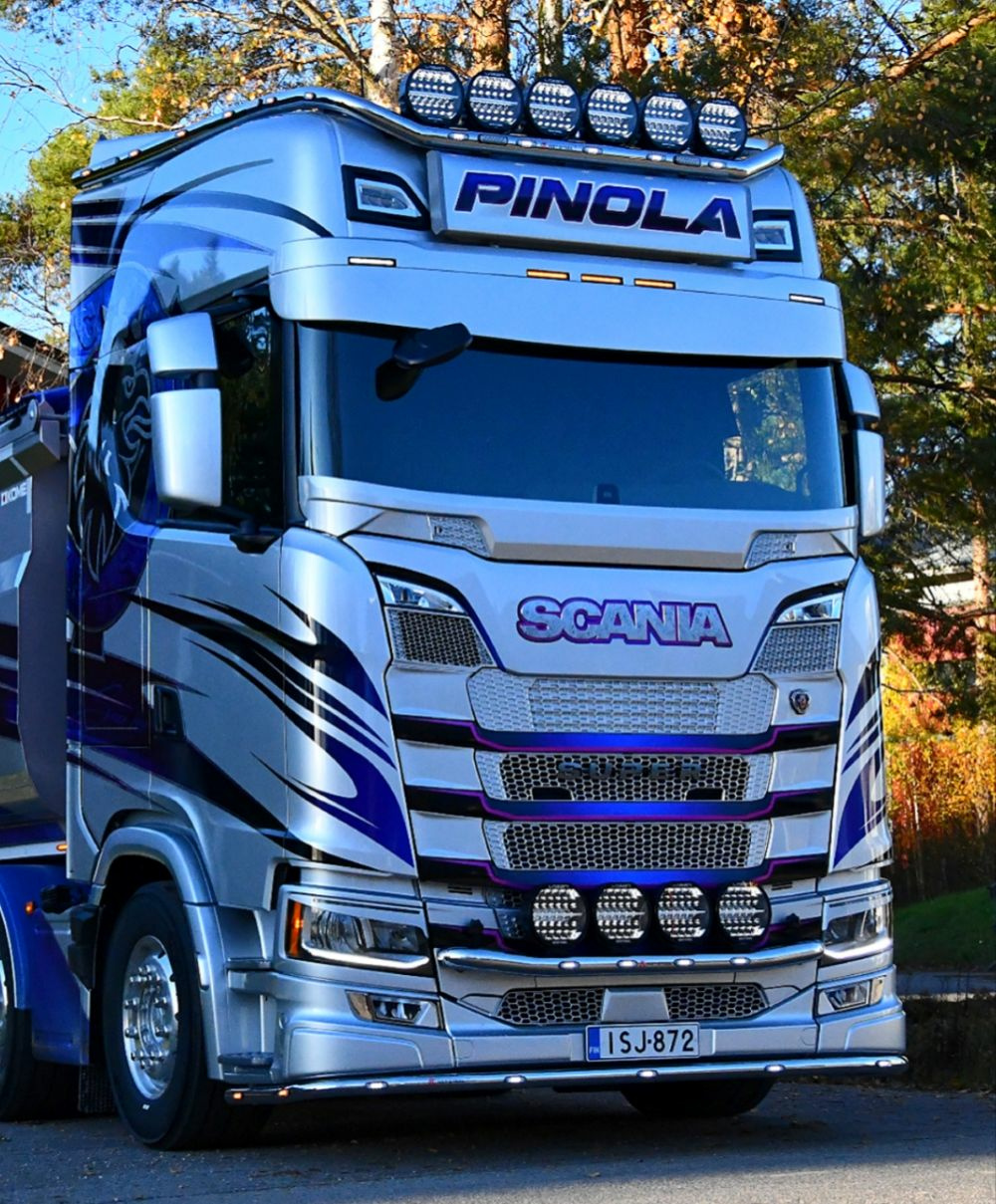
A takbjelke and a work light bar may look similar at a glance, but they serve distinct purposes and are built to different engineering standards. A roof bar is a stainless steel accessory designed to follow the cabin roofline, combining aesthetics with auxiliary light mounting. A work light bar, by contrast, is a purpose-built rack engineered for high-output work lights in demanding operational environments. Understanding the difference matters for both safety compliance and equipment longevity.
What exactly is a roof bar and what is it designed to do on a truck?
A truck roof bar is a structural stainless steel accessory mounted along the roofline of the truck cabin. Its primary function is twofold: it accentuates the visual lines of the cabin while providing a sturdy mounting platform for auxiliary driving lights and position lights. It is shaped to follow the cabin profile precisely, giving the vehicle a clean, professional appearance.
For professional drivers, this combination of form and function is genuinely useful. The bar improves the vehicle’s visibility in traffic through mounted auxiliary lights and position lights, while simultaneously giving the truck a sharp, finished look that reflects well on any operator or company. Roof bars are available for most major truck brands, making them a straightforward fitment choice for drivers who want both aesthetics and practical light-mounting capability without compromising on build quality.
What is a work light bar and how does it differ from a standard roof bar?
A work light bar (työvaloteline) is a purpose-built mounting rack designed specifically for high-output work lights used in demanding environments such as construction sites, forestry operations, and heavy logistics. Unlike a roof bar, its engineering priorities are rigidity and load-bearing capacity rather than cabin aesthetics. It is built to carry powerful LED work lights, amber warning beacons, and level indicators reliably under harsh conditions.
While the two products share a broadly similar profile when viewed from a distance, their structural specifications differ considerably. A roof bar is optimised to complement the cabin’s lines and carry lighter auxiliary road lighting. A work light rack, on the other hand, must handle the weight and vibration loads generated by high-lumen units such as LAZER work lights, often in environments where road conditions are rough and operational demands are continuous. Selecting the wrong bar type for a heavy work light configuration risks both structural failure and regulatory non-compliance.
Which mounting accessories and light types are compatible with each bar type?
The two bar types support different equipment categories. A truck roof bar is compatible with auxiliary driving lights, position and marker lights, and decorative trim elements. A work light bar is designed to carry high-lumen LED work lights, amber rotating or LED warning beacons, level indicators, and, in some configurations, additional position lights.
Bracket systems and cabling requirements also differ between the two. Work light installations typically involve heavier wiring loads and may require dedicated relay circuits to manage the power draw of professional-grade units. Compatibility with specific truck brands affects both the mounting geometry and the bracket hardware required, so it is worth confirming fitment details before purchasing. Choosing the correct bar type for your intended light load is not just a performance consideration — it directly affects structural integrity and your ability to meet safety regulations in professional operating environments.
How do you choose the right bar for your professional needs?
The right choice comes down to where and how the vehicle operates. If the truck runs primarily on public roads and the goal is improved visibility and a professional appearance, a roof bar with auxiliary lights is the appropriate solution. If the vehicle works on active construction sites, in forestry, or in any environment where high-output illumination and amber warning signals are legally or operationally required, a work light bar is the correct fitment.
Ask yourself these practical questions: What type of lighting does the job actually require? Are warning beacons legally mandated in your operating environment? How important is cabin aesthetics relative to raw functional capacity? Once you have clear answers, check truck brand compatibility carefully, as bar geometry varies across Scania, Volvo, DAF, Mercedes-Benz, and other common platforms.
For fleet managers and owner-operators alike, a turnkey supply-and-fit service removes the guesswork entirely. At RST-Steel, we manufacture and install both roof bars and work light bars, handling everything from product selection to final fitting — so your vehicle is back on the road or worksite with minimal downtime. Get in touch with our team to find the right solution for your truck.


 Norwegian
  English
  Swedish