
How should Wheel Covers be cleaned effectively?
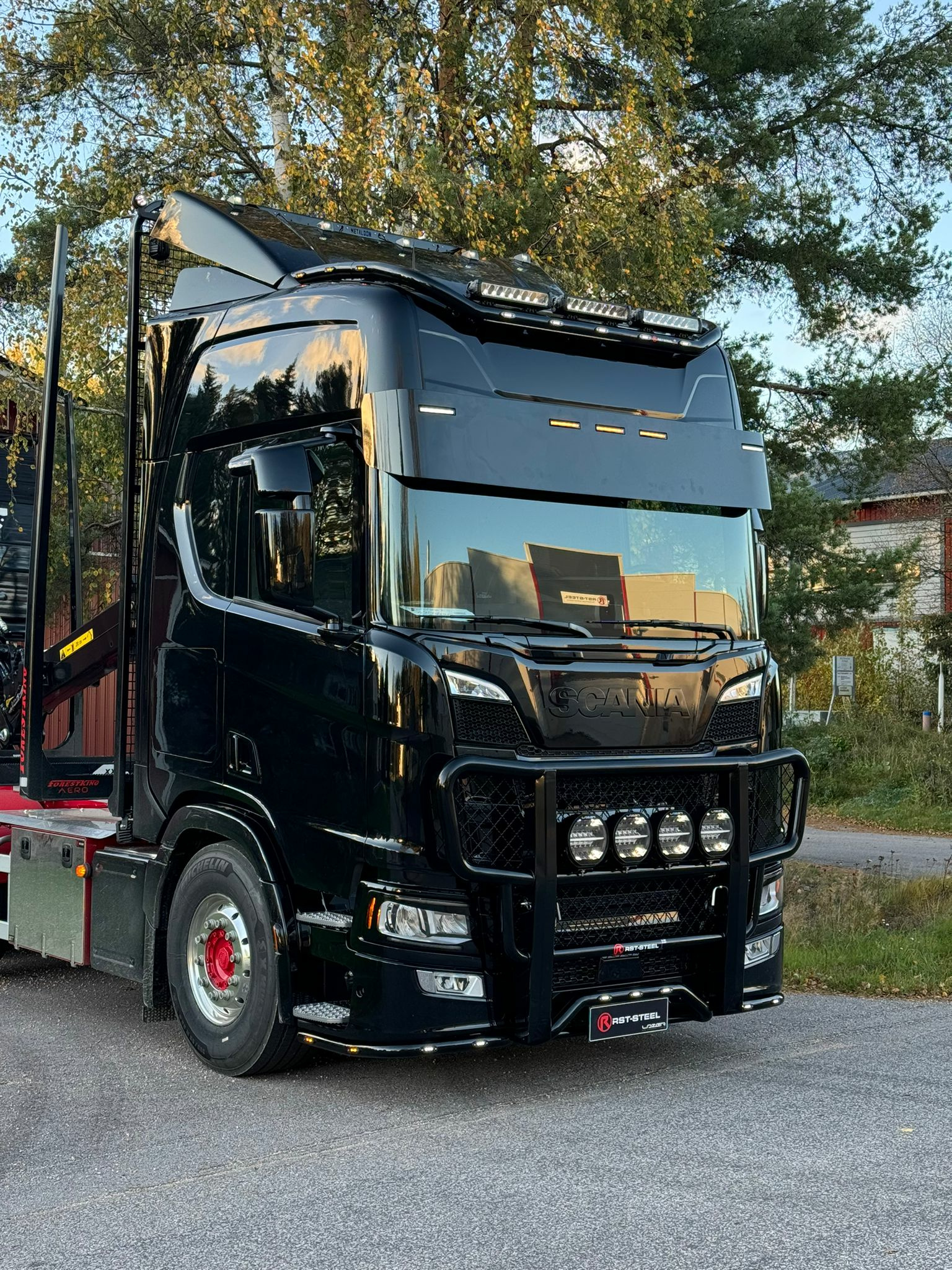
Cleaning truck wheel covers effectively means using pH-neutral or alkaline degreasers, soft brushes, and microfibre cloths to remove brake dust, road grime, and salt deposits without scratching the surface. For stainless steel wheel covers, avoid acidic cleaners and abrasive pads entirely. A proper routine includes pre-rinsing, degreasing, careful scrubbing, thorough rinsing, drying, and applying a protective coating to maintain both appearance and long-term rim protection.
What are truck wheel covers and why does proper cleaning matter for professional drivers?
Truck wheel covers are protective accessories fitted over the rims of commercial vehicles, typically available for 22.5″ and 19.5″ rims. They serve two clear purposes: giving the vehicle a finished, professional appearance and shielding the rims from road debris, moisture, and corrosive contaminants that would otherwise cause premature wear.
For professional drivers, this distinction matters more than it might seem. Cosmetic neglect, such as surface grime or water spots, is relatively easy to address. Structural deterioration caused by improper cleaning or prolonged exposure to road salt and brake dust is a different problem entirely. Once corrosion takes hold beneath a poorly maintained cover, rim damage becomes a real cost.
Wheel cover care is therefore not just about aesthetics. It is a practical investment in the vehicle’s service life and in keeping maintenance costs predictable over time.
What cleaning products and tools should you use on truck wheel covers?
The right products for truck wheel cover maintenance depend on the material, but for stainless steel covers, the core rule is simple: pH-neutral or mildly alkaline cleaners only. These lift grease and brake dust without attacking the passive oxide layer that gives stainless steel its corrosion resistance. Dedicated wheel cleaning sprays formulated for stainless or chrome surfaces work well in professional settings.
For tools, use a soft-bristle brush for reaching into gaps and contoured surfaces, and a microfibre cloth for wiping and drying. A low-to-medium-pressure washer is acceptable for pre-rinsing and final rinsing, but keep the nozzle at a reasonable distance to avoid forcing water into rim joints.
What to avoid is equally important:
- Acidic wheel cleaners, which can pit and discolour stainless steel
- Steel wool or abrasive scouring pads, which leave scratches that trap moisture
- Harsh solvents like acetone or bleach-based products
- Undiluted degreasers left to dry on the surface
A quality stainless steel polish or protective spray applied after cleaning adds a barrier against future contamination and makes the next clean considerably easier.
How should you clean truck wheel covers step by step for the best results?
A structured cleaning process protects the surface at every stage and saves time by preventing the need to redo steps. For drivers with limited downtime between runs, working efficiently through each phase matters as much as the products used.
- Pre-rinse the covers thoroughly with water to remove loose dirt, grit, and salt before any product touches the surface. This prevents abrasive particles from being dragged across the finish during scrubbing.
- Apply degreaser or wheel cleaner evenly across the surface and allow it to dwell for the time specified on the product, typically one to three minutes. Do not let it dry.
- Scrub with a soft-bristle brush using circular motions, paying particular attention to edges, bolt areas, and recessed sections where brake dust accumulates.
- Rinse completely with clean water, ensuring no cleaner residue remains, as dried product can leave marks and attract further dirt.
- Dry promptly with a clean microfibre cloth. Air drying leaves water spots, particularly in areas with hard water.
- Apply a protective coating such as a stainless steel sealant or wax-based spray. This step significantly reduces surface oxidation and makes brake dust easier to remove at the next clean.
How often should truck wheel covers be cleaned to maintain their condition?
The appropriate cleaning frequency for truck rim covers depends directly on the operating environment. A general baseline for highway driving is a thorough clean every two to four weeks. However, conditions vary considerably, and the schedule should reflect the actual demands placed on the vehicle.
In winter conditions with road salt exposure, cleaning frequency should increase to weekly or after every significant cold-weather run. Salt is the most aggressive corrosive threat to both covers and the rims beneath them, and allowing it to sit accelerates deterioration faster than almost any other factor.
Construction site and off-road operation introduce heavy mud, concrete dust, and chemical runoff, which calls for cleaning after each working period rather than on a fixed calendar schedule.
The cost-benefit case for routine cleaning is straightforward: a consistent maintenance schedule extends the life of both the wheel covers and the rims they protect, avoiding the far higher expense of replacement or rim refurbishment caused by reactive neglect.
If you are looking for high-quality stainless steel wheel covers built for professional use, RST-Steel’s range covers 22.5″ and 19.5″ rims and is designed to withstand demanding Nordic conditions. Kontakt oss to find the right wheel cover solution for your vehicle.


 Norwegian
  English
  Swedish