
Can Front Spoiler Bars be repaired after damage?
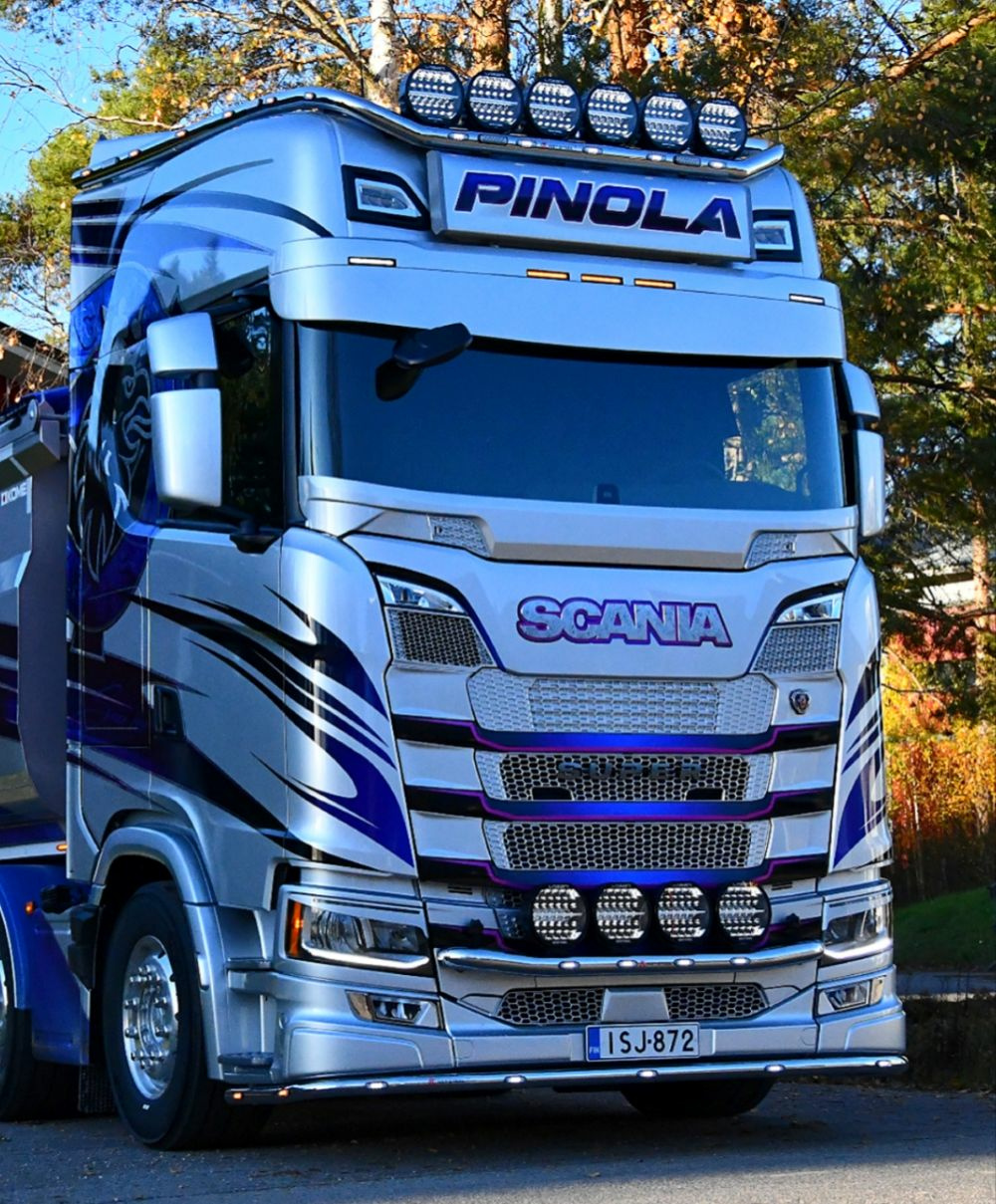
Front spoiler bars can often be repaired after damage, but whether repair is the right call depends on the type and severity of the damage sustained. Stainless steel spoiler bars behave differently under impact than painted mild steel or plastic alternatives, giving them a clear advantage when it comes to repairability. This article covers the main damage types, how to assess them properly, which repair methods apply, and when replacement makes more sense than repair.
What types of damage can a front spoiler bar actually sustain?
The most common forms of truck front spoiler bar damage fall into five categories: impact deformation, surface abrasion, weld joint stress fractures, mounting bracket failure, and corrosion. Each type carries different implications for repairability, and the bar’s material plays a significant role in how the damage presents and progresses.
Impact deformation from curbs, speed bumps, or snowdrifts is the most frequent issue professional drivers encounter. Stainless steel absorbs and distributes impact energy differently than mild steel, tending to deform without cracking outright, which often makes reshaping viable. Mild steel bars, by contrast, may crack or lose structural integrity entirely under similar loads. Plastic alternatives simply shatter.
Surface scratches and abrasions are largely cosmetic on stainless steel and can usually be addressed through polishing. Weld joint fractures are more serious, requiring skilled TIG welding to restore integrity. Mounting bracket failure is particularly relevant when the bar carries position lights or auxiliary lighting, since a compromised bracket puts attached equipment at risk. Corrosion in high-salt environments is less common with quality stainless steel but can occur at weld points if the grade of steel is insufficient.
How do you assess whether a front spoiler bar is worth repairing or should be replaced?
A proper front spoiler bar damage assessment follows a clear sequence: visual inspection, structural integrity check, deformation measurement, and mounting point evaluation. Skipping any step risks missing damage that could compromise the bar’s protective function, especially on bars fitted with lighting.
Start with a thorough visual inspection in good lighting. Look for visible bends, cracks at weld joints, paint transfer from impacts, and surface corrosion. Then apply controlled manual pressure across the bar’s length to detect any flex or movement that should not be there. Deformation beyond a few millimetres from the original profile often signals that the bar’s load-bearing geometry has been altered.
Check every mounting bracket and bolt point carefully. Elongated bolt holes, cracked welds at attachment points, or any movement between the bar and its mounts are serious warning signs. If the bar carries position lights, inspect the cable routing and light housings for secondary damage. Cosmetic damage alone rarely voids the bar’s protective purpose. Structural damage, particularly at mounting points or along the main tube, is a different matter entirely.
What repair methods are used on damaged stainless steel front spoiler bars?
The main repair techniques for stainless steel spoiler bars include cold straightening, heat-assisted reshaping, TIG welding, surface polishing, and bracket or hardware replacement. Each method suits specific damage types and requires a corresponding level of skill and tooling.
Cold straightening works well for minor bends and is the least invasive option. It requires appropriate jigs and controlled force to avoid introducing new stress points. Heat-assisted reshaping is used for more significant deformation but carries real risk on polished stainless steel. Excessive or poorly controlled heat causes discolouration and grain structure changes that cannot be reversed through polishing alone, permanently affecting both appearance and, in some cases, corrosion resistance.
TIG welding is the correct method for repairing stress fractures or broken weld joints, but it demands a welder experienced with stainless steel to avoid heat distortion and contamination. Surface polishing restores cosmetic condition after straightening or welding. Bracket and hardware replacement is straightforward when the main bar tube is undamaged, and it is often the most cost-effective intervention for mounting-related failures.
When does repairing a front spoiler bar stop making financial and safety sense?
Repair stops making sense when cumulative repair costs approach replacement value, when structural integrity cannot be fully restored, or when the bar’s mounting system is no longer reliable enough to safely carry attached lighting equipment. For professional drivers and fleet operators, these factors carry direct business consequences.
Repeated repairs on the same bar add up quickly in labour and materials, often without returning the bar to its original protective standard. A structurally compromised truck bumper protection bar that fails during a low-speed impact offers far less protection than intended, and any attached lighting that falls onto the road creates genuine liability. Downtime spent on repeated workshop visits also has a real cost that rarely appears in a simple repair-versus-replace calculation.
Investing in a quality replacement, such as a stainless steel front spoiler bar built to professional standards, delivers long-term value through durability, consistent protective performance, and a professional appearance that reflects well on your business. If you are weighing your options after damage, we are happy to help you assess whether repair or replacement is the right move for your specific situation. Get in touch with us at RST-Steel for expert advice and a tailored quote.


 Norwegian
  English
  Swedish