
How are auxiliary lights integrated with a vehicle’s automatic high beams?
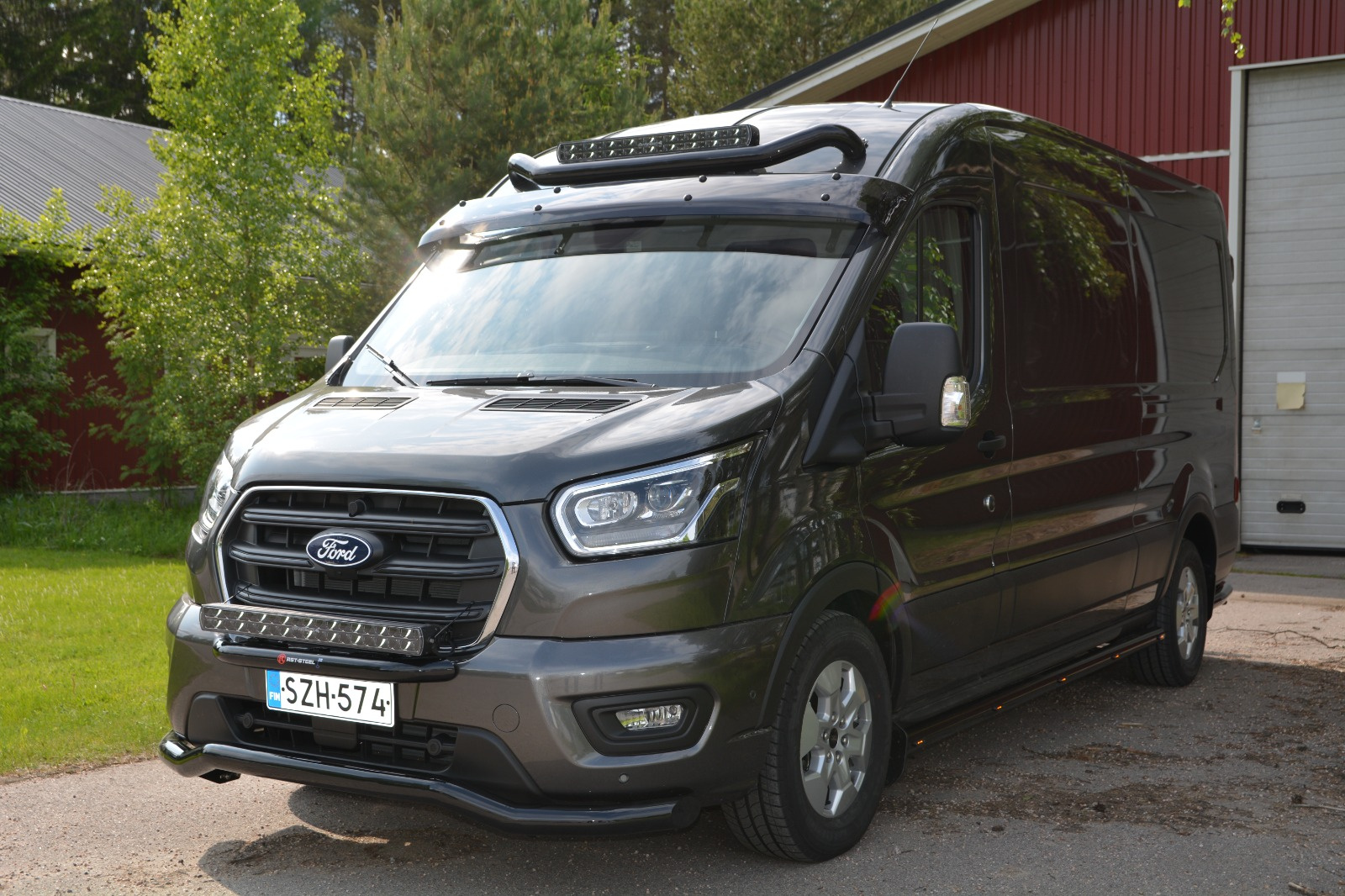
Auxiliary lights integrate with automatic high beams through smart control modules that connect to your vehicle’s CAN bus system or use dedicated relay circuits. Modern integration allows auxiliary lights to activate automatically when the high beams engage, providing enhanced illumination without manual switching. Professional drivers benefit from seamless operation that improves safety during night driving and in challenging weather conditions.
What are auxiliary lights and why do professional drivers need them?
Auxiliary lights are supplementary lighting systems that provide additional illumination beyond standard headlights. These lights mount on bull bars, roof racks, or bumpers to enhance visibility during night driving, adverse weather, and off-road conditions.
Professional drivers rely on auxiliary lighting for several critical safety benefits. Enhanced forward visibility allows earlier detection of road hazards, wildlife, and pedestrians. During fog, rain, or snow, auxiliary lights cut through poor weather conditions more effectively than standard headlights alone.
Long-haul drivers particularly benefit from reduced eye strain during extended night driving. The broader light pattern illuminates road edges and potential hazards that standard headlights might miss. Commercial vehicle operators also use auxiliary lights for work area illumination during loading, unloading, and roadside maintenance tasks.
Vehicle lighting upgrades improve overall road safety by making your vehicle more visible to other drivers. Professional drivers operating in rural areas, construction zones, or challenging terrain find auxiliary lights essential for maintaining safe operating speeds in low-light conditions.
How do auxiliary lights integrate with modern automatic high beam systems?
Modern auxiliary light integration uses CAN bus connections, relay systems, and smart control modules to synchronize with automatic high beam functionality. These systems monitor your vehicle’s lighting status and activate auxiliary lights when the high beams engage automatically.
CAN bus integration represents the most advanced connection method. Smart control modules tap into your vehicle’s communication network, reading high beam status directly from the lighting control system. When automatic high beams activate, the control module simultaneously powers the auxiliary lights without driver intervention.
Relay-based systems offer a simpler integration approach. These systems use the high beam circuit to trigger auxiliary light relays, ensuring both lighting systems operate together. Professional installation ensures proper electrical load management and prevents interference with vehicle electronics.
Advanced automotive lighting technology includes dimming capabilities that adjust auxiliary light intensity based on oncoming traffic detection. Some systems automatically switch between spot and flood beam patterns depending on driving conditions and automatic high beam sensor input.
What are the different types of auxiliary lighting solutions and their price ranges?
Auxiliary lighting solutions range from premium Lazer Lamps systems to cost-effective Optibeam options, each offering different performance characteristics and integration complexity for various professional requirements.
Lazer Lamps represents the premium tier, delivering exceptional build quality and superior light output. These lights feature advanced LED technology, robust construction for harsh conditions, and sophisticated beam patterns. Professional drivers requiring maximum performance choose Lazer systems for their reliability and cutting-edge optical design.
Purelux and OZZ occupy the mid-range market, providing excellent value for professional applications. These brands offer solid construction, good light output, and reliable integration with automatic high beam systems. They balance performance with affordability for cost-conscious fleet operators.
Optibeam serves as the budget-friendly option without compromising essential functionality. These lights provide adequate illumination for basic auxiliary lighting needs and integrate well with standard vehicle lighting systems. Small business operators and individual professional drivers often find Optibeam solutions meet their requirements effectively.
Each category offers various mounting options, beam patterns, and integration capabilities to match specific vehicle types and professional lighting requirements.
How do you choose the right auxiliary lighting system for your vehicle?
Selecting appropriate auxiliary lighting depends on your vehicle type, professional requirements, budget, and integration complexity with existing electrical systems. Consider your primary driving conditions and specific visibility needs when evaluating options.
Vehicle compatibility determines mounting options and electrical integration requirements. Commercial trucks accommodate larger light arrays, while passenger vehicles may require more compact solutions. Check your vehicle’s electrical capacity to ensure auxiliary lights will not overload charging systems or drain batteries.
Professional requirements vary significantly between applications. Long-haul drivers benefit from wide-pattern flood lights for general visibility, while construction operators need focused spot beams for work area illumination. Consider whether you need automatic integration or prefer manual control over auxiliary lighting activation.
Budget considerations should include installation costs alongside equipment prices. Professional installation ensures proper integration with automatic high beam systems and maintains vehicle warranty compliance. Factor in long-term reliability when comparing initial costs between premium and budget options.
Integration complexity affects both installation time and ongoing reliability. Simple relay systems work well for basic applications, while CAN bus integration provides advanced functionality but requires professional expertise. We offer comprehensive installation services to ensure seamless integration regardless of your chosen auxiliary lighting system. Contact our team for expert guidance on selecting and installing the perfect auxiliary lighting solution for your specific vehicle and professional requirements.
Related Posts
Can Sun Visors be adjusted to different positions?
Yes — truck sun visors adjust in multiple ways. Here’s what every professional driver should know.

Which Cabin Outside accessories should be installed on a truck?
Protect your truck and improve safety with the right cabin exterior accessories for professional drivers.
How does Cabin Inside affect driver well-being?
Poor cabin ergonomics silently drains driver alertness — discover which interior accessories make the biggest difference on long hauls.
Which seat covers are suitable for professional use?
Not all seat covers handle daily cab life. Find out which materials and features truly meet professional standards.
Which Work Light Bars are the most efficient on a truck?
Not all truck light bars are equal — discover which specs, beam patterns, and ratings truly deliver on the job.
Can Work Light Bars be used on public roads?
Work light bars are illegal on EU public roads — here’s what every professional truck driver must know.
Can Front Spoiler Bars be repaired after damage?
Damaged front spoiler bar? Discover repair methods, assessment tips, and when replacement beats repair costs.
Which Front Spoiler Bars withstand impacts best?
Not all front spoiler bars survive real-world punishment — material grade, weld quality, and bracket engineering make all the difference.
How do Front Spoiler Bars affect a truck’s air resistance?
Front spoiler bars do more than manage airflow — discover their real aerodynamic impact and practical benefits for truck drivers.

When should Wheel Covers be replaced?
Damaged truck wheel covers risk costly rim repairs and road safety hazards — here’s exactly when to replace them.
How should Wheel Covers be cleaned effectively?
Brake dust, road salt, wrong cleaner — discover the step-by-step wheel cover cleaning routine that protects your rims long-term.
Which lights work best on a Roof Bar?
LED vs halogen, beam patterns, and key specs — find the best roof bar lights for professional trucks.
Which Front Bars fit different truck models?
Discover which stainless steel front bars fit major European truck models — and how to choose the right one.
How should Cabin Inside cleaning be carried out professionally?
Master professional truck cabin cleaning with the right tools, techniques, and schedules every driver needs.
How can Cabin Inside lighting be improved?
Discover how the right truck cabin lighting reduces driver fatigue and transforms your cab into a productive workspace.
Which Front Spoiler Bars are suitable for city driving?
Protect your truck’s front bumper in city traffic — discover which front spoiler bars handle urban hazards best.
What are Front Spoiler Bars on a truck?
Discover how front spoiler bars shield truck bumpers from real-world hazards — reducing costly downtime and repair bills.
Is a Bull Bar mandatory on a truck?
Bull bars aren’t mandatory on trucks — but here’s why professional drivers treat them as essential.


 Norwegian
  English
  Swedish