
How does a bull bar affect fuel consumption?
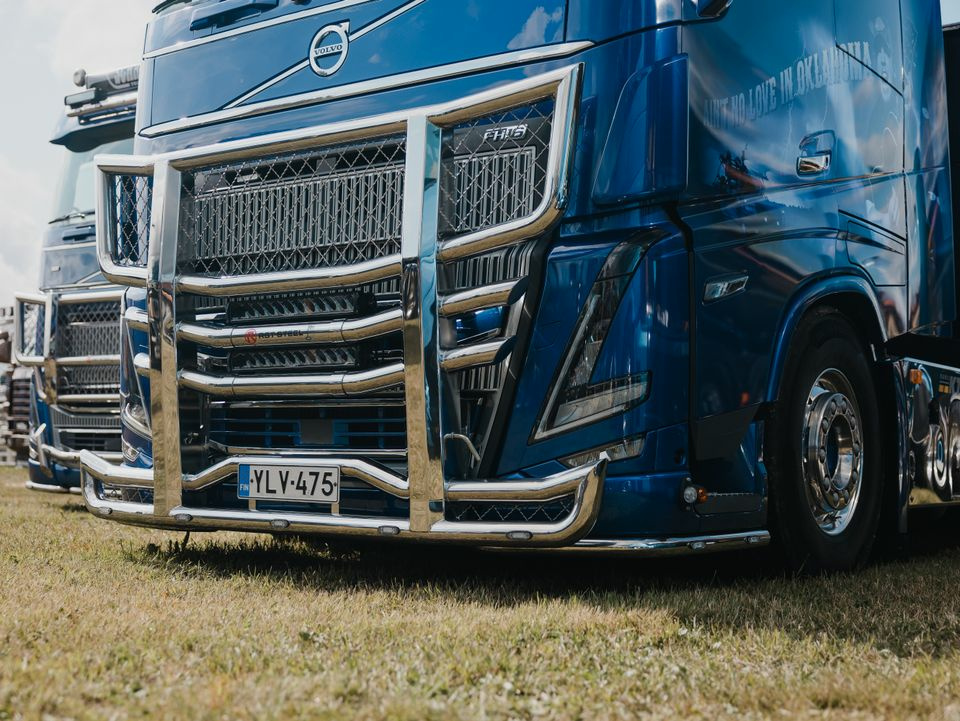
Installing a bull bar on your commercial vehicle typically increases fuel consumption by 2–8%, depending on the design, vehicle type, and driving conditions. This increase occurs because bull bars disrupt the vehicle’s aerodynamic profile, creating additional drag that forces the engine to work harder. The impact varies significantly based on bull bar style, driving speeds, and installation quality.
What exactly is a bull bar and how does it impact vehicle aerodynamics?
A bull bar is a protective metal framework mounted to the front of a vehicle, designed to protect the front end from impacts with animals, debris, or minor collisions. These robust accessories create a barrier between your vehicle’s vulnerable components and potential hazards on the road.
Bull bars significantly alter your vehicle’s aerodynamic profile by disrupting the smooth airflow patterns that manufacturers carefully design around the front end. When air hits the bull bar’s surface, it creates turbulence and increases the vehicle’s frontal area, which directly impacts fuel efficiency. The blunt surfaces and additional mass force the engine to overcome greater wind resistance, particularly at higher speeds.
Modern vehicles are engineered with precise aerodynamic considerations, including front spoilers, air dams, and carefully shaped bumpers that guide airflow efficiently around the vehicle. A bull bar essentially replaces this optimised design with a more functional but less aerodynamically efficient alternative, resulting in increased drag coefficients and higher fuel consumption.
How much additional fuel consumption can you expect from installing a bull bar?
Most drivers can expect a fuel consumption increase of 2–8% after installing a bull bar, with heavier commercial vehicles typically experiencing increases at the lower end of this range due to their already substantial mass and lower aerodynamic efficiency.
The actual impact depends heavily on your driving patterns and conditions. Highway driving at speeds above 80 km/h shows the most significant fuel economy impact, as aerodynamic drag increases exponentially with speed. City driving with frequent stops and lower speeds typically shows minimal fuel consumption changes, sometimes as little as 1–2%.
Vehicle type plays a crucial role in determining fuel impact. Light commercial vehicles and pickup trucks often experience more noticeable increases because they are more aerodynamically sensitive than heavy trucks. The bull bar’s design also matters significantly – streamlined designs with integrated air deflectors can reduce the fuel penalty compared to basic rectangular frameworks.
Load conditions and terrain further influence fuel consumption effects. Fully loaded vehicles may see smaller percentage increases because the additional weight already requires more engine power, making the bull bar’s contribution less noticeable relative to total fuel consumption.
What factors determine how much a bull bar affects your fuel economy?
Bull bar design and materials are the primary factors determining fuel consumption impact. Streamlined designs with curved surfaces and integrated air management features create less drag than basic rectangular frameworks with sharp edges and solid surfaces.
Your vehicle’s original aerodynamics significantly influence the fuel penalty. Vehicles with already poor aerodynamic efficiency, such as heavy trucks, experience smaller percentage increases because they are less sensitive to additional drag. Conversely, aerodynamically optimised light commercial vehicles may see more substantial impacts from the same bull bar.
Driving speed patterns dramatically affect fuel consumption changes. The aerodynamic impact becomes exponentially more significant above 60 km/h, with highway driving showing the greatest fuel penalties. Urban driving with frequent acceleration and braking minimises the aerodynamic impact.
Installation quality and positioning also matter considerably. Properly aligned bull bars that maintain some integration with the vehicle’s existing aerodynamic features perform better than poorly fitted alternatives. The gap between the bull bar and vehicle body, mounting height, and alignment with existing air management systems all influence the final fuel consumption impact.
Different bull bar styles show varying efficiency levels. Lite models with minimal frontal area affect fuel economy the least, while freeway-style heavy-duty options with maximum protection typically show the highest fuel consumption increases due to their substantial size and mass.
Are there ways to minimise fuel consumption impact when using a bull bar?
Professional installation and proper alignment can significantly reduce fuel consumption penalties by ensuring the bull bar integrates as smoothly as possible with your vehicle’s existing aerodynamic features. Quality installation maintains optimal positioning and minimises unnecessary gaps that create additional turbulence.
Choosing aerodynamically conscious designs helps reduce fuel impact without sacrificing protection. Modern bull bars incorporate features such as integrated air deflectors, curved surfaces, and strategic openings that maintain better airflow patterns compared to traditional solid designs.
Adjusting your driving habits can substantially offset fuel consumption increases. Maintaining steady speeds, avoiding unnecessary high-speed driving, and using cruise control on highways help minimise the aerodynamic penalty. Reducing aggressive acceleration and maintaining proper following distances also improve overall fuel efficiency.
Regular maintenance ensures your bull bar continues performing optimally. Keeping mounting hardware tight prevents vibration and misalignment that can worsen aerodynamic impact. Clean surfaces reduce drag compared to dirt and debris accumulation, which increases frontal area and surface roughness.
Consider complementary aerodynamic modifications if maximum fuel efficiency is crucial. Air deflectors, side skirts, and other aerodynamic accessories can help recover some of the efficiency lost to bull bar installation, particularly on vehicles used primarily for highway driving.
When fuel economy is a primary concern alongside protection needs, consulting experienced professionals helps identify the most efficient bull bar options for your specific vehicle and usage patterns. Quality manufacturers like RST-Steel offer various designs that balance protection requirements with aerodynamic considerations, helping you make informed decisions about commercial vehicle modifications that affect both safety and operating costs.
Related Posts
What are Roof Bars on a truck?
Discover what truck roof bars do, which types suit your cab, and why proper installation matters for safety.
How are Roof Bars installed?
A complete guide to truck roof bar installation — covering mounting, wiring, and safety for professional drivers.
What is the difference between a Roof Bar and a Work Light Bar?
Roof bar or work light bar? Know the key differences to choose the right fit for your truck.
How many lights can be mounted on a Roof Bar?
Most truck roof bars hold 2–8 lights — but legal limits, cab width, and wiring matter more than you’d think.
What are Front Bars?
Discover how stainless steel front bars simplify auxiliary light installation and boost truck visibility on demanding roads.
Where are Front Bars mounted on a truck?
Truck front bars mount on the grille frame — not the chassis. Here’s what they do and why it matters.
How do Front Bars affect aerodynamics?
Discover how front bars disrupt truck airflow, raise fuel costs, and how smart design choices minimize the aerodynamic trade-off.
Why are Bird Nets necessary on trucks?
One cracked windshield costs more than a bird net — here’s why professional drivers install them first.
Are Front Bars approved for road use?
Find out if front bars are road-legal for trucks and what EU and Finnish compliance rules you must know.
How are Bird Nets installed on a truck?
Protect your windshield with a properly installed stainless steel bird net — here’s exactly how it’s done.
Which Bird Nets are the most durable?
Stainless steel bird nets outlast the rest — here’s how to choose the most durable option for your truck.
Can Bird Nets be used in all weather conditions?
Stainless steel truck bird nets handle every season — here’s what makes them truly all-weather reliable.
How can the Cabin Inside of a truck be improved?
Discover practical truck cabin upgrades that improve driver comfort, reduce fatigue, and boost daily performance.
What are Sun Visors on a truck?
Discover how exterior truck sun visors reduce dangerous glare and improve driver safety on long highway runs.
Which Roof Bars withstand harsh weather conditions best?
Grade 316 stainless steel roof bars outperform the rest in harsh Nordic conditions — here’s exactly why.
How do Sun Visors improve driving comfort?
Discover how a truck sun visor reduces glare, prevents driver fatigue, and improves road safety on every long haul.
Which Sun Visors are best suited for professional use?
Not all sun visors are built for professional demands — here’s what separates purpose-built truck visors from the rest.
Can Sun Visors be adjusted to different positions?
Yes — truck sun visors adjust in multiple ways. Here’s what every professional driver should know.
Which Cabin Outside accessories should be installed on a truck?
Protect your truck and improve safety with the right cabin exterior accessories for professional drivers.
How does Cabin Inside affect driver well-being?
Poor cabin ergonomics silently drains driver alertness — discover which interior accessories make the biggest difference on long hauls.
Which seat covers are suitable for professional use?
Not all seat covers handle daily cab life. Find out which materials and features truly meet professional standards.
Which Work Light Bars are the most efficient on a truck?
Not all truck light bars are equal — discover which specs, beam patterns, and ratings truly deliver on the job.
Can Work Light Bars be used on public roads?
Work light bars are illegal on EU public roads — here’s what every professional truck driver must know.
Can Front Spoiler Bars be repaired after damage?
Damaged front spoiler bar? Discover repair methods, assessment tips, and when replacement beats repair costs.
Which Front Spoiler Bars withstand impacts best?
Not all front spoiler bars survive real-world punishment — material grade, weld quality, and bracket engineering make all the difference.
How do Front Spoiler Bars affect a truck’s air resistance?
Front spoiler bars do more than manage airflow — discover their real aerodynamic impact and practical benefits for truck drivers.
When should Wheel Covers be replaced?
Damaged truck wheel covers risk costly rim repairs and road safety hazards — here’s exactly when to replace them.
How should Wheel Covers be cleaned effectively?
Brake dust, road salt, wrong cleaner — discover the step-by-step wheel cover cleaning routine that protects your rims long-term.
Which lights work best on a Roof Bar?
LED vs halogen, beam patterns, and key specs — find the best roof bar lights for professional trucks.
Which Front Bars fit different truck models?
Discover which stainless steel front bars fit major European truck models — and how to choose the right one.
How should Cabin Inside cleaning be carried out professionally?
Master professional truck cabin cleaning with the right tools, techniques, and schedules every driver needs.
How can Cabin Inside lighting be improved?
Discover how the right truck cabin lighting reduces driver fatigue and transforms your cab into a productive workspace.
Which Front Spoiler Bars are suitable for city driving?
Protect your truck’s front bumper in city traffic — discover which front spoiler bars handle urban hazards best.
What are Front Spoiler Bars on a truck?
Discover how front spoiler bars shield truck bumpers from real-world hazards — reducing costly downtime and repair bills.
Is a Bull Bar mandatory on a truck?
Bull bars aren’t mandatory on trucks — but here’s why professional drivers treat them as essential.


 Norwegian
  English
  Swedish