
What is the best auxiliary light for a passenger car?
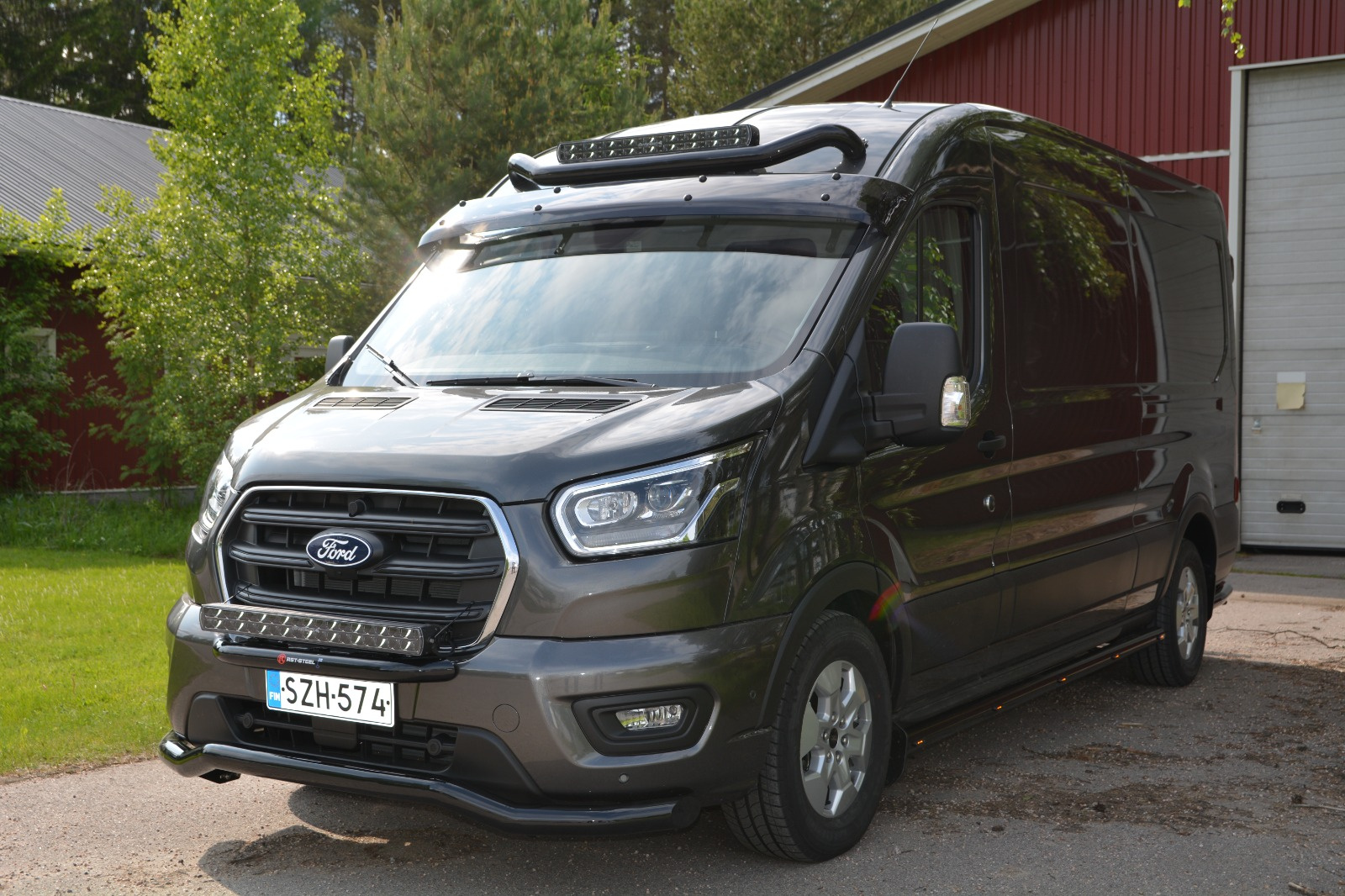
Den best auxiliary lights for passenger cars are LED auxiliary lights that offer reliable performance, proper beam patterns, and legal compliance. Premium options like Lazer Lamps provide superior durability and output, while budget-friendly choices such as Optibeam deliver excellent value for occasional drivers. The ideal choice depends on your driving frequency, vehicle type, and specific lighting requirements.
Why do passenger cars need auxiliary lights for safety and visibility?
Auxiliary lights significantly enhance night-time visibility and safety by providing additional illumination beyond standard headlights. They reduce driver fatigue during extended night driving, improve vehicle conspicuity in adverse weather conditions, and help illuminate road hazards, wildlife, and pedestrians that standard lighting might miss.
The primary benefits include enhanced safety during challenging conditions such as fog, rain, or snow, where standard headlights struggle to penetrate. Auxiliary lights create better depth perception and wider coverage, allowing drivers to spot potential dangers earlier and react accordingly.
For professional drivers who spend considerable time on the road, auxiliary lights reduce eye strain and fatigue by providing more natural illumination patterns. This improved visibility translates to increased confidence and safer driving experiences, particularly on rural roads or poorly lit motorways.
Legal requirements vary by jurisdiction, but most regions allow auxiliary lights provided they meet specific regulations regarding positioning, brightness, and usage. Many modern auxiliary light systems include features such as automatic dimming or switching to ensure compliance with traffic laws while maximising safety benefits.
What’s the difference between premium and budget auxiliary light options?
Premium auxiliary lights like Lazer Lamps feature superior build quality, advanced LED technology, and extensive warranty coverage, typically lasting 30,000+ hours. Budget options such as Optibeam provide reliable basic functionality at lower cost but may have shorter lifespans and fewer advanced features.
Build quality differences are substantial between price categories. Premium lights use aircraft-grade aluminium housings, advanced thermal management systems, and high-grade optical lenses that resist impact and environmental damage. Budget options often utilise plastic components and simpler cooling systems, which may limit their durability in harsh conditions.
Light output varies significantly across price ranges. Premium options deliver precise beam patterns with minimal glare, higher lumen output, and better colour temperature for natural visibility. Mid-range brands like Purelux and OZZ offer balanced performance with good light quality at moderate prices, while budget lights provide adequate illumination for occasional use.
Warranty coverage reflects manufacturer confidence in their products. Premium brands typically offer 3–5-year warranties with comprehensive coverage, while budget options may provide 1–2 years with more limited protection. This difference becomes important for drivers who rely heavily on auxiliary lighting for regular driving.
How do you choose the right auxiliary light brand for your needs?
Choose based on your driving patterns and requirements: Lazer Lamps for professional or frequent night driving, Purelux and OZZ for regular recreational use, and Optibeam for occasional supplementary lighting. Consider your vehicle type, installation complexity, and long-term value expectations when making your selection.
Driving frequency determines the most suitable option. Professional drivers or those regularly driving in challenging conditions benefit from Lazer Lamps’ superior durability and performance. These lights withstand constant use and provide consistent output over extended periods.
Vehicle compatibility affects brand selection. Some brands offer specific mounting solutions for different vehicle types, while others provide universal mounting systems. Consider your vehicle’s electrical capacity, available mounting points, and aesthetic preferences when evaluating options.
Installation requirements vary between brands. Some auxiliary lights require professional installation due to complex wiring or mounting procedures, while others offer plug-and-play solutions for DIY installation. Factor in installation costs and complexity when comparing total investment across different brands.
Specific lighting needs influence brand choice. Long-range driving benefits from spot beam patterns, while urban driving may require flood patterns. Some brands specialise in particular beam configurations, so match your typical driving conditions with appropriate light characteristics.
What should you consider when installing auxiliary lights on passenger cars?
Consider mounting position, electrical capacity, and legal compliance when installing auxiliary lights. Proper positioning ensures optimal light distribution without glare, while adequate electrical supply prevents system overload. Professional installation guarantees correct integration with existing vehicle systems and regulatory compliance.
Mounting options include bull bar integration, roof mounting, or bumper installation. Each position offers different advantages: bull bars provide robust mounting and protection, roof mounts offer maximum coverage, and bumper installation maintains vehicle aesthetics while providing effective illumination.
Electrical requirements must match your vehicle’s capacity. Calculate total power consumption, including existing accessories, to avoid overloading the charging system. Modern LED auxiliary lights are more efficient than traditional options, but proper electrical planning remains essential for reliable operation.
Legal compliance involves understanding local regulations regarding auxiliary light usage, positioning, and switching requirements. Many jurisdictions require separate switches, specific mounting heights, and automatic dimming capabilities to prevent glare for oncoming traffic.
Professional installation offers several advantages over DIY approaches. Experienced technicians ensure proper wiring integration, optimal positioning for maximum effectiveness, and compliance with warranty requirements. We provide comprehensive installation services that guarantee optimal performance and legal compliance for all auxiliary lighting systems.
Beam pattern selection affects installation positioning. Spot beams require precise aiming for long-distance illumination, while flood patterns need broader positioning for wide coverage. Consider your primary driving conditions when determining the optimal installation configuration.
Related Posts
Can Sun Visors be adjusted to different positions?
Yes — truck sun visors adjust in multiple ways. Here’s what every professional driver should know.

Which Cabin Outside accessories should be installed on a truck?
Protect your truck and improve safety with the right cabin exterior accessories for professional drivers.
How does Cabin Inside affect driver well-being?
Poor cabin ergonomics silently drains driver alertness — discover which interior accessories make the biggest difference on long hauls.
Which seat covers are suitable for professional use?
Not all seat covers handle daily cab life. Find out which materials and features truly meet professional standards.
Which Work Light Bars are the most efficient on a truck?
Not all truck light bars are equal — discover which specs, beam patterns, and ratings truly deliver on the job.
Can Work Light Bars be used on public roads?
Work light bars are illegal on EU public roads — here’s what every professional truck driver must know.
Can Front Spoiler Bars be repaired after damage?
Damaged front spoiler bar? Discover repair methods, assessment tips, and when replacement beats repair costs.
Which Front Spoiler Bars withstand impacts best?
Not all front spoiler bars survive real-world punishment — material grade, weld quality, and bracket engineering make all the difference.
How do Front Spoiler Bars affect a truck’s air resistance?
Front spoiler bars do more than manage airflow — discover their real aerodynamic impact and practical benefits for truck drivers.

When should Wheel Covers be replaced?
Damaged truck wheel covers risk costly rim repairs and road safety hazards — here’s exactly when to replace them.
How should Wheel Covers be cleaned effectively?
Brake dust, road salt, wrong cleaner — discover the step-by-step wheel cover cleaning routine that protects your rims long-term.
Which lights work best on a Roof Bar?
LED vs halogen, beam patterns, and key specs — find the best roof bar lights for professional trucks.
Which Front Bars fit different truck models?
Discover which stainless steel front bars fit major European truck models — and how to choose the right one.
How should Cabin Inside cleaning be carried out professionally?
Master professional truck cabin cleaning with the right tools, techniques, and schedules every driver needs.
How can Cabin Inside lighting be improved?
Discover how the right truck cabin lighting reduces driver fatigue and transforms your cab into a productive workspace.
Which Front Spoiler Bars are suitable for city driving?
Protect your truck’s front bumper in city traffic — discover which front spoiler bars handle urban hazards best.
What are Front Spoiler Bars on a truck?
Discover how front spoiler bars shield truck bumpers from real-world hazards — reducing costly downtime and repair bills.
Is a Bull Bar mandatory on a truck?
Bull bars aren’t mandatory on trucks — but here’s why professional drivers treat them as essential.


 Norwegian
  English
  Swedish