

Subtotal: 117,13 €
Can a bull bar withstand road salt and moisture?
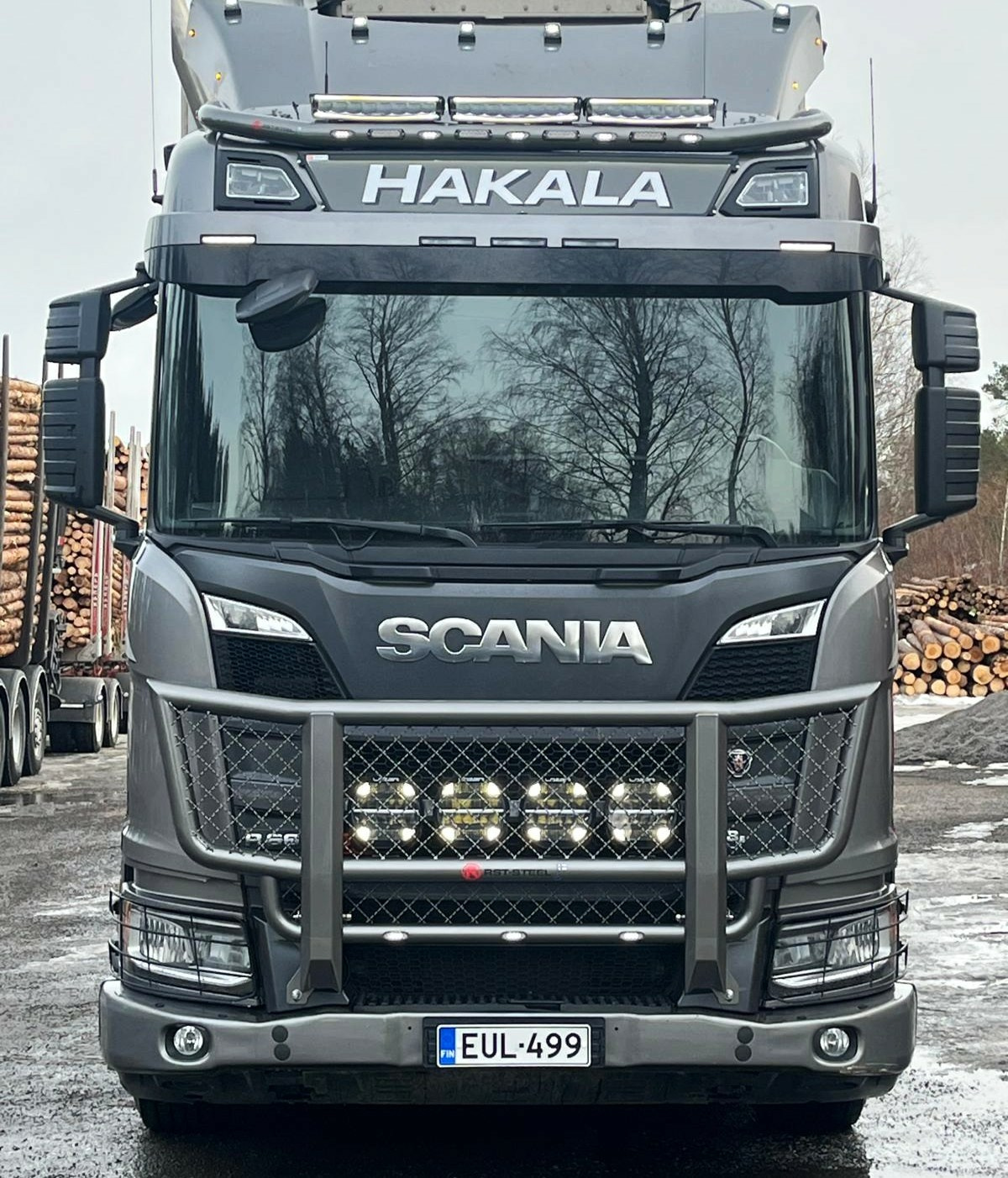
Bull bars can withstand road salt and moisture when manufactured with proper corrosion-resistant materials and protective coatings. Quality bull bars feature galvanised steel construction, powder coating, or stainless steel components that resist salt damage. Regular maintenance, including washing and protective treatments, significantly extends their lifespan in harsh winter conditions with salt-treated roads.
What makes a bull bar resistant to road salt and moisture damage?
Galvanisation and powder coating provide the primary defence against road salt corrosion in quality bull bars. Galvanised steel receives a zinc coating that acts as a sacrificial barrier, protecting the underlying metal even when scratched. This zinc layer corrodes instead of the steel, preventing rust formation that would compromise structural integrity.
Powder coating adds another protective layer over the galvanised surface. This electrostatically applied coating creates a durable, non-porous finish that prevents moisture and salt from reaching the metal underneath. The powder coating process involves heating the coated part to cure the material, creating a finish that is more resistant to chipping and scratching than traditional paint.
Stainless steel construction offers superior corrosion resistance for premium applications. Marine-grade stainless steel contains chromium and nickel alloys that form a protective oxide layer when exposed to oxygen. This self-healing layer regenerates when damaged, providing long-term protection against salt corrosion without additional coatings.
Manufacturing processes also contribute to corrosion resistance. Proper welding techniques eliminate gaps where moisture can collect, while sealed joints prevent water infiltration. Quality manufacturers ensure all mounting hardware receives the same protective treatments as the main structure.
How do different bull bar materials perform in harsh winter conditions?
Steel bull bars with proper treatment offer excellent durability in Nordic winter conditions when manufactured correctly. Galvanised and powder-coated steel handles freeze-thaw cycles effectively, maintaining structural integrity through temperature fluctuations. The thermal expansion properties of steel allow it to flex without cracking during extreme temperature changes.
Aluminium provides natural corrosion resistance through oxidation, forming a protective layer that prevents further deterioration. However, aluminium can suffer from galvanic corrosion when in contact with dissimilar metals, particularly in salt environments. Proper isolation of mounting points prevents this electrochemical reaction.
Different steel grades perform variably in salt conditions. High-tensile steel offers superior strength but requires excellent protective coatings to prevent corrosion. Mild steel, while easier to work with during manufacturing, needs comprehensive treatment to achieve acceptable salt resistance.
Composite materials show promise for specific applications but typically lack the impact resistance required for serious protection. They resist corrosion naturally but may become brittle in extreme cold, limiting their effectiveness in harsh Nordic winters.
The mounting system is equally as important as the bar material itself. Stainless steel bolts and galvanised brackets ensure the entire assembly maintains its integrity throughout winter conditions. Poor-quality fasteners often fail before the bull bar itself shows signs of deterioration.
What maintenance practices extend bull bar life in salt-exposed environments?
Regular washing removes salt deposits before they can cause significant corrosion damage. Weekly washing during winter months prevents salt accumulation in joints and crevices. Use fresh water to rinse thoroughly, paying particular attention to mounting points and hidden areas where salt can collect unnoticed.
Protective treatments applied seasonally enhance the existing coating system. Wax-based protectants create an additional barrier against moisture and salt, while penetrating oils can reach areas where water might infiltrate. Apply these treatments after thorough cleaning and drying.
Inspection procedures should focus on vulnerable areas, including weld joints, mounting brackets, and any damaged coating areas. Look for rust spots, coating chips, or loose fasteners that could allow moisture penetration. Address minor issues immediately before they develop into structural problems.
Proper drying after washing prevents water from sitting in joints and mounting points. Where possible, allow the bull bar to air-dry completely, or use compressed air to remove water from difficult-to-reach areas. Standing water accelerates corrosion even on well-protected surfaces.
Touch-up treatments for minor coating damage prevent small problems from becoming major repairs. Keep matching touch-up paint or coating material available for immediate application to chips or scratches. Clean the damaged area thoroughly before applying any protective treatment.
When selecting a bull bar for Finnish winter conditions, consider both the manufacturing quality and your commitment to maintenance. Quality manufacturers like RST-Steel provide detailed care instructions specific to Nordic conditions, helping ensure your investment provides years of reliable protection. Contact us to discuss which bull bar construction best suits your operating environment and maintenance capabilities.

 Norwegian
  English
  Swedish