
Can Sun Visors be adjusted to different positions?
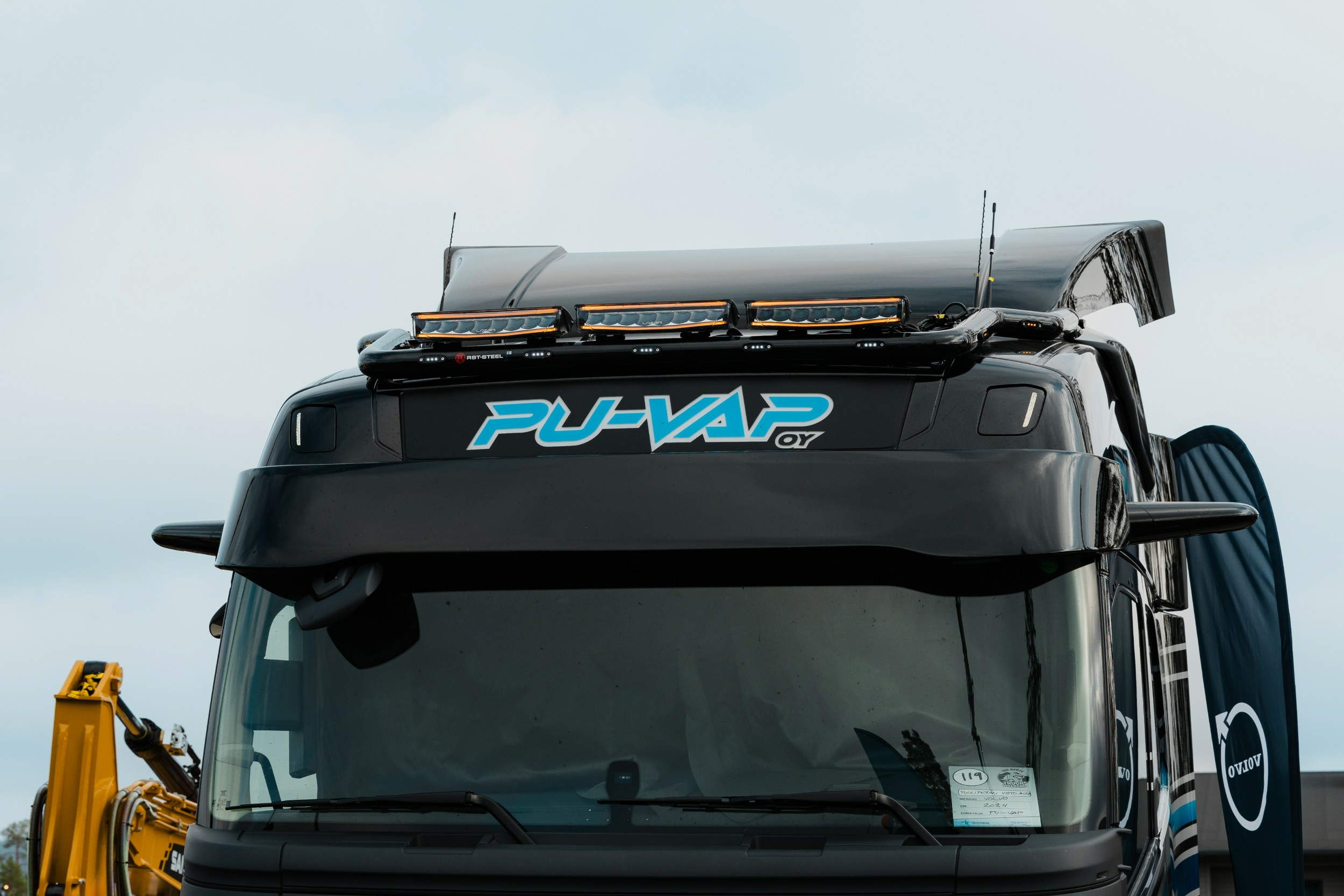
Yes, truck sun visors can be adjusted to different positions. Professional-grade external truck sun visors offer tilt angle adjustment, lateral positioning, and in many cases telescopic extension, allowing drivers to precisely target glare from low sun angles, highway reflections, and varying seasonal light conditions. Understanding how these adjustments work and how to set them correctly directly affects both driver comfort and road safety.
What is a truck sun visor and how does it differ from a standard cab visor?
A truck sun visor is an externally mounted accessory fitted above the windscreen of a heavy-duty cab, designed to block direct sunlight from entering the driver’s field of vision. Unlike the interior flip-down visor found in passenger cars, an external truck sun visor is a structural component mounted to the cab roof or upper windscreen frame using dedicated brackets.
The difference goes beyond location. Passenger car visors are small, fabric-covered panels suited to low cab heights and relatively upright windscreens. Professional drivers in heavy trucks sit significantly higher off the road surface, which changes the angle at which sunlight strikes the windscreen, particularly during low-sun periods in the morning and late afternoon. In Nordic latitudes, the sun sits low on the horizon for extended periods throughout much of the year, making glare management a genuine daily challenge.
External truck sun visors are typically manufactured from aluminium or stainless steel, giving them the structural rigidity to withstand wind loads at motorway speeds. They mount via roof-rail brackets or direct cab-top fixings and project forward over the upper windscreen, providing shade across the entire glass surface rather than just one side.
Can sun visors be adjusted to different positions, and how does the adjustment mechanism work?
Adjustable sun visors for trucks use a combination of tilt, lateral slide, and telescopic mechanisms to cover the full range of glare conditions a professional driver encounters. Most quality external visors offer a vertical tilt range of roughly 10 to 25 degrees, allowing the leading edge to angle downward or upward relative to the cab roof. This tilt adjustment is the primary tool for targeting low-sun angles.
Beyond tilt, semi-adjustable designs allow lateral repositioning along a mounting rail, which helps when glare arrives at an angle rather than directly ahead. Fully articulating designs combine tilt, slide, and telescopic extension, allowing the driver to extend the visor forward to increase shade depth on particularly bright days or retract it to reduce wind resistance on motorway routes.
Locking systems vary by design. Friction clamps are common on mid-range visors, while bolt-lock mechanisms provide a more secure and vibration-resistant hold suited to long-haul use. For Nordic routes, where the sun’s position shifts considerably between summer and winter, a fully articulating visor with a reliable locking system offers the most practical flexibility.
What are the key factors to consider when choosing the right sun visor position for your truck?
Setting the correct sun visor position depends on your cab height, windscreen rake angle, seat position, and the typical sun trajectory along your regular routes. There is no universal setting that works for every driver or every season, which is why sun visor visibility adjustment requires active management rather than a one-time setup.
A visor angled too steeply downward blocks forward sightlines and creates a blind zone directly ahead, which is a serious safety concern at speed. If the angle is too shallow, it fails to intercept low-angle glare. The correct position keeps the visor’s shadow falling across the upper windscreen without encroaching on the driver’s primary viewing area.
Seat height and fore-aft position also matter. Two drivers in the same truck may need different visor angles to achieve the same effective shading. Route geography plays a role too: east–west routes expose drivers to direct sunrise and sunset glare, while north–south routes in Nordic regions mean dealing with a persistently low sun arc across the southern sky during winter months.
How do you install and adjust a truck sun visor correctly to ensure safety and compliance?
Correct truck sun visor installation starts with bracket alignment. Mounting points must correspond to reinforced sections of the cab roof or upper frame rail, and all fasteners should be torqued to the manufacturer’s specification to prevent movement under wind load. Over-tightening aluminium brackets against painted cab surfaces can cause stress cracking, so using appropriate spacers or rubber washers is standard practice.
After fitting, check clearance between the visor and any roof-mounted accessories, aerodynamic deflectors, or marker lights. The visor must not foul any moving parts or block required lighting.
From a regulatory standpoint, European road traffic legislation requires that driver forward visibility is not materially obstructed. The visor must not reduce the driver’s vertical field of vision below the minimum required by Directive 2007/46/EC and related type-approval standards. A practical verification method is to sit in the normal driving position and confirm that road surface visibility at a defined distance ahead remains unobstructed with the visor in its most extended position.
Post-installation, adjust the tilt with the truck parked facing the sun at the most challenging angle you regularly encounter, then lock the mechanism firmly and recheck after the first long run to confirm that no settling or slippage has occurred.
Getting your sun visor setup right is one of those details that pays back every single shift. If you want expert guidance on selecting and fitting the right truck cab accessories for your vehicle, contact us at RST-Steel and we will help you find the right solution for your cab and your routes.


 Norwegian
  English
  Swedish