
How are Wheel Covers installed?
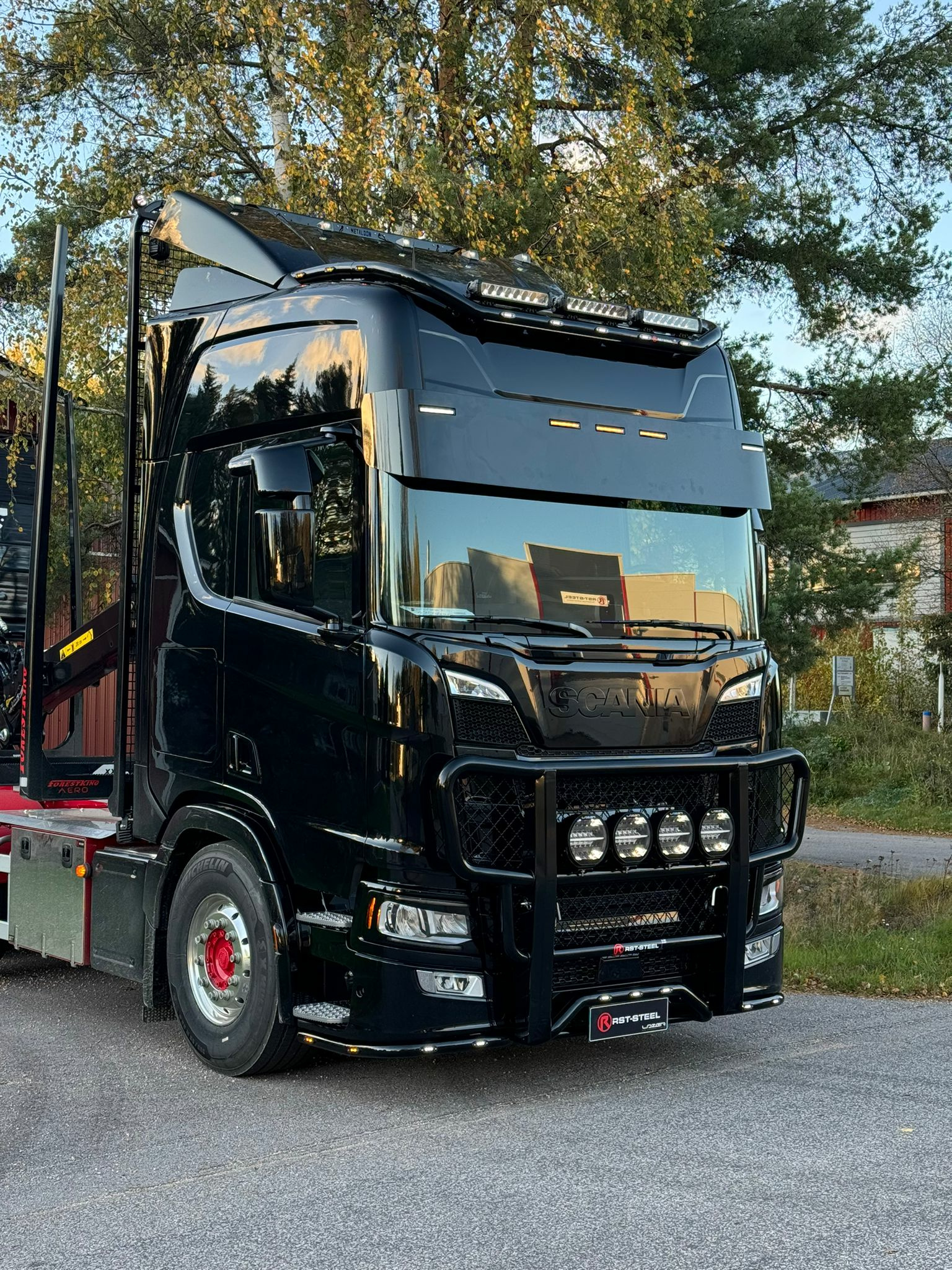
Wheel cover installation on a commercial truck is a straightforward process when you know the correct steps. Truck wheel covers clip directly onto the rim face using a retention system, requiring no special tools in most cases. This guide covers everything professional drivers need to know, from selecting the right size to keeping covers in top condition through harsh Nordic winters.
What are wheel covers for trucks and what do they actually do?
Truck wheel covers are protective panels that fit over the exposed face of a commercial vehicle’s steel or alloy rim. Their primary function is to shield the rim from corrosion, road debris, and mechanical wear, while also giving the vehicle a clean, professional appearance. Unlike standard passenger car hubcaps, commercial truck wheel covers are engineered specifically for the larger rim profiles, heavier load cycles, and more demanding operating environments found in professional transport.
The distinction matters in practice. A standard hubcap covers only the centre of a wheel, while a commercial wheel cover spans the full visible rim face. This full coverage blocks road salt, gravel, and moisture from reaching the rim surface directly, which significantly slows corrosion on steel rims. For fleets or owner-operators who want their vehicles to look sharp and last longer, wheel covers for trucks are a cost-effective investment that pays off over time.
Which wheel cover size fits your truck’s rims?
Commercial truck wheel covers are produced in two standard sizes: 22.5-inch and 19.5-inch, matching the two most common rim diameters used on heavy goods vehicles across Europe. The 22.5-inch size is standard on most long-haul trucks and semi-trailers, while 19.5-inch rims are typical on medium-duty trucks, distribution vehicles, and some trailers. Always check the rim diameter stamped on the wheel itself before ordering.
A common mistake is assuming all axle positions on a given truck share the same rim size. Drive axles and steer axles sometimes differ, so verify each position individually. Fitment tolerances on quality covers are tight enough to hold securely but forgiving enough to accommodate minor rim surface variations. When in doubt, cross-reference your vehicle’s tyre size marking: the final number in a tyre designation such as 315/70 R22.5 confirms the rim diameter directly.
How are wheel covers installed step by step on a commercial truck?
Installing commercial truck wheel covers requires a clean rim surface, correct alignment, and firm engagement of the retention clips. The process takes around five to ten minutes per wheel once you are familiar with the cover’s clip pattern. No specialist tools are needed for most clip-on designs, though a rubber mallet can help seat stubborn covers during the first installation.
- Clean the rim face thoroughly, removing brake dust, grease, and loose corrosion. A dry or lightly damp cloth is sufficient.
- Locate the valve stem opening on the wheel cover and align it precisely with the tyre valve before positioning the cover against the rim.
- Press the cover evenly against the rim face, starting at the valve stem position and working around the circumference in a star pattern rather than one side at a time.
- Engage each retention clip firmly by pressing inward until you feel or hear it seat. Uneven pressure is the most common cause of covers sitting proud on one side.
- Inspect the full perimeter to confirm no clips are partially engaged, and check that the valve stem is accessible and unobstructed.
Avoid forcing covers onto rims with significant rust buildup, as this prevents clips from seating correctly and can cause covers to loosen at speed.
How do you maintain wheel covers to maximize their lifespan?
Stainless steel and polished wheel covers require regular cleaning with a mild, pH-neutral detergent and a soft cloth or sponge. Avoid abrasive pads and chlorine-based cleaners, which scratch polished surfaces and accelerate surface oxidation. After washing, rinse thoroughly to remove all detergent residue, particularly around clip edges where moisture collects.
In Nordic conditions, road salt is the most significant threat. Rinse covers with clean water after driving on salted roads, especially during freeze–thaw periods when salt concentration on road surfaces is highest. Inspect retention clips at each seasonal tyre change, pressing each clip to confirm it still holds tension. Clips that feel loose or show visible cracking should be replaced before the cover is refitted.
At RST-Steel, we stock wheel covers for both 22.5-inch and 19.5-inch rims, along with all necessary accessories. If you want to protect your rims properly and keep your truck looking professional, browse our wheel cover range or contact our team for a fitting recommendation tailored to your vehicle.


 Norwegian
  English
  Swedish