
How do Sun Visors improve driving comfort?
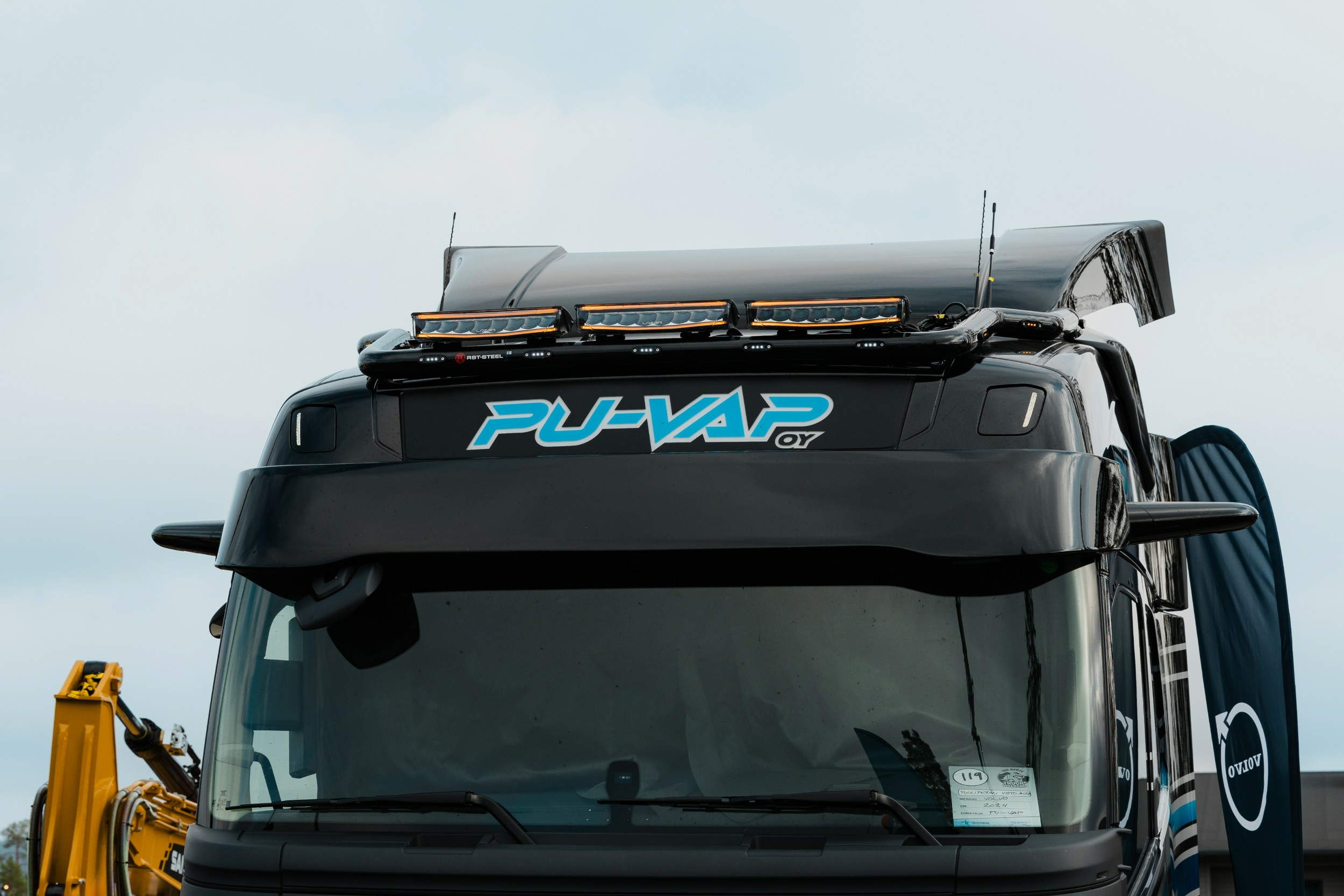
A sun visor for truck cabins improves driving comfort by blocking low-angle sunlight that the windshield alone cannot filter out. It reduces eye strain, limits glare from wet roads, and helps drivers maintain concentration across long shifts. This article covers how truck sun visors work, their safety benefits, how to choose the right one, and what proper installation and maintenance look like in practice.
What is a truck sun visor and how does it differ from a standard cab visor?
A truck sun visor is an external panel mounted above the windshield on the outside of the cab. It projects horizontally outward to intercept sunlight before it reaches the glass. Unlike the interior flip-down visor, which offers limited, manually adjusted coverage for a single spot, an external visor provides consistent, wide-angle protection across the entire width of the windshield.
External visors are typically manufactured from ABS plastic, aluminium, or stainless steel, each offering different trade-offs between weight, durability, and aerodynamic profile. They mount via brackets fixed to the cab roof or A-pillar structure, and their projection depth determines the angle of sun protection. For high-cab trucks such as the Scania R/S series, Volvo FH, DAF XF, and Mercedes-Benz Actros, the elevated seating position makes low-angle glare particularly problematic, which is exactly where a properly fitted external visor delivers the most value.
How does a sun visor reduce glare and protect driver visibility on long hauls?
The core principle is straightforward: the visor’s horizontal projection casts a shadow across the windshield at the precise angles where sunlight is most disruptive. During dawn and dusk, the sun sits low on the horizon, and standard glass tinting offers little defence. A visor with sufficient projection depth intercepts this light before it enters the cab, eliminating the need to squint or constantly change position.
Wet road surfaces amplify the problem significantly. Reflected glare from rain-soaked tarmac creates a diffuse, high-intensity light source that is difficult to filter without external shading. A well-positioned driving comfort sun visor reduces this reflection reaching the driver’s eyes, maintaining clearer forward visibility. Over a multi-hour drive, the cumulative reduction in eye strain translates directly into sustained concentration, less fatigue, and a more controlled driving experience.
What are the key safety benefits of fitting a sun visor on a professional truck?
The most critical safety benefit is the prevention of temporary blindness during high-risk moments, such as entering a roundabout or overtaking when the sun is directly ahead. Solar glare causes rapid pupil constriction, which delays the eye’s ability to adapt back to normal light conditions. That delay, even fractions of a second, affects reaction time during critical manoeuvres.
Improved sun visor visibility also enhances the detection of pedestrians and cyclists in bright conditions, where high contrast between lit and shadowed areas makes vulnerable road users harder to spot. When combined with quality auxiliary lights and protective accessories like bird nets, a sun visor becomes part of a complete front-end visibility solution. Reducing glare while maximising illuminated coverage gives professional drivers the clearest possible picture of what is ahead, regardless of conditions.
How do you choose the right sun visor for your truck model and driving conditions?
Compatibility with your specific cab model is the starting point. Visors are designed around cab roof profiles, and a poor fit creates gaps that allow glare through and compromise aerodynamic efficiency. Model-specific visors offer precise fitment for trucks like the Scania NextGen, Volvo FH, and Actros, while universal-fit options suit less common configurations but may require more careful alignment.
Projection depth matters for Nordic and northern European driving conditions, where the sun angle stays low for much of the year. A deeper projection provides better coverage but adds aerodynamic drag, so balancing protection against the impact on fuel consumption is a practical consideration for long-haul operators. Material choice is equally important: stainless steel handles salt exposure and freeze-thaw cycles better than untreated aluminium, making it the preferred option for harsh-weather climates. RST-Steel’s truck sun visor range covers the most common truck brands and is built specifically for the demands of Nordic road conditions.
What should you know about sun visor installation and long-term maintenance on heavy trucks?
Professional installation of an external truck sun visor involves securing mounting brackets to the cab roof structure using appropriate torque settings to avoid distorting the panel or allowing it to loosen over time. Sealant application around bracket penetrations is essential to prevent water ingress, which can cause corrosion and interior damage, particularly in wet Nordic conditions.
Alignment during fitting determines both aerodynamic performance and protection angle, so taking time to set the projection correctly pays off across the visor’s service life. For long-term maintenance, inspect mounting points and seals at regular service intervals, particularly after winter. Road salt accelerates corrosion on exposed metal components, and UV exposure gradually degrades ABS plastic, causing brittleness. Clean the visor with a non-abrasive solution to remove road grime without scratching the surface, and check for any structural movement that might indicate bracket fatigue.
A sun visor is a straightforward addition that delivers real, measurable improvements to professional driver accessories and overall cab safety. If you are looking to fit one to your truck or want guidance on the right model for your cab, get in touch with us and we will help you find the correct specification and arrange professional installation.


 Norwegian
  English
  Swedish