
How many lumens should auxiliary lights provide?
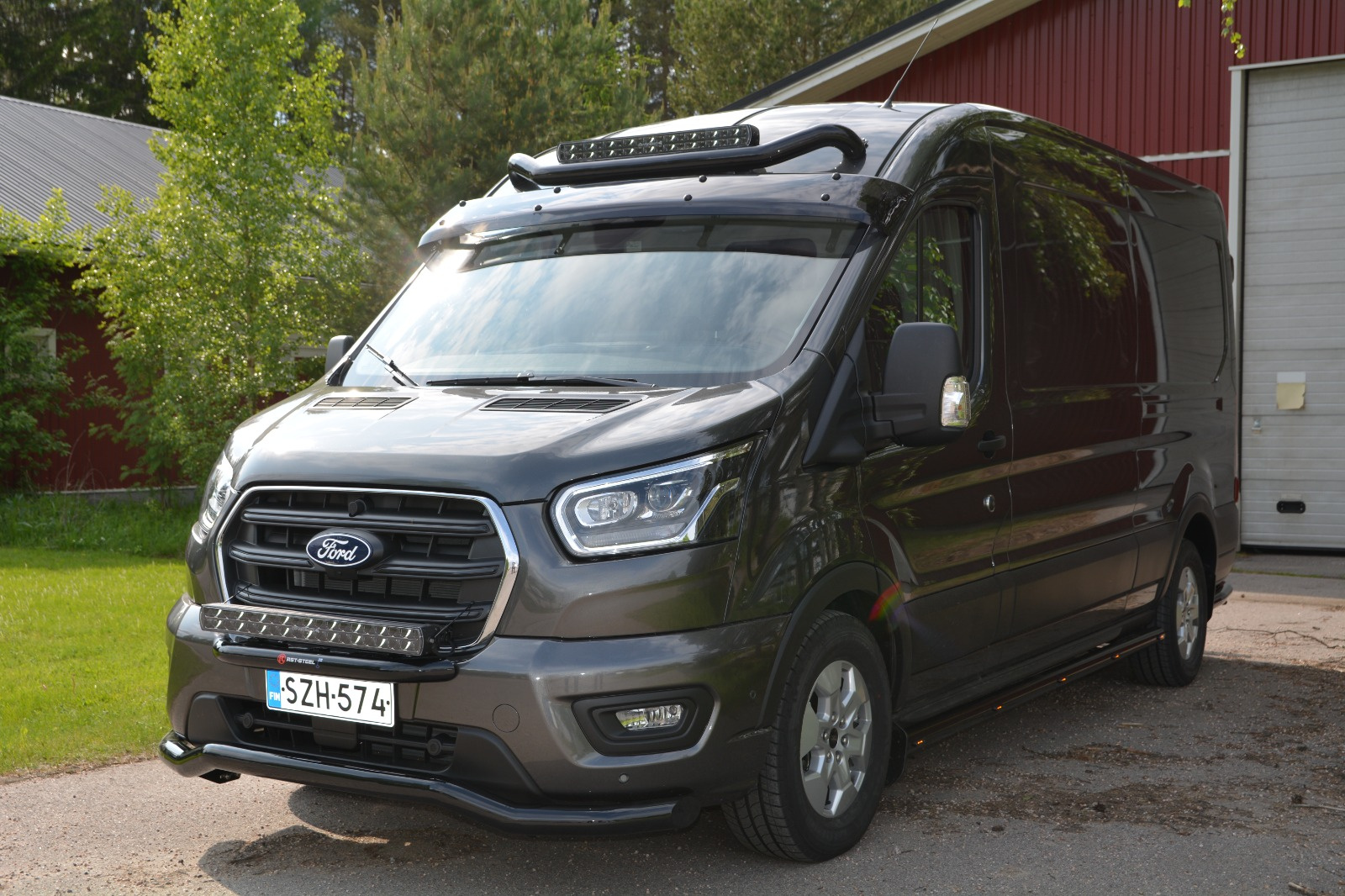
Auxiliary lights should provide between 1,000 and 6,000 lumens for most driving applications, with professional and off-road use requiring higher outputs of up to 10,000+ lumens. The ideal brightness depends on your driving conditions, vehicle type, and safety requirements. Understanding lumen specifications helps you select auxiliary lights that enhance visibility without overwhelming other drivers or violating regulations.
What are lumens and why do they matter for auxiliary vehicle lighting?
Lumens measure the total amount of visible light that an auxiliary light produces, making them the most accurate way to compare brightness between different lighting options. Unlike watts, which indicate power consumption, lumens tell you exactly how much illumination you will receive from your investment.
Understanding lumens is crucial for vehicle safety lighting because it determines how effectively your auxiliary lights will illuminate the road ahead. Higher lumen outputs provide better visibility in challenging conditions, helping you spot hazards, wildlife, or obstacles earlier. This measurement also helps you avoid purchasing underpowered lights that will not meet your professional driving needs or safety expectations.
When evaluating auxiliary light brightness, remember that beam pattern and light quality matter as much as raw lumen output. A well-designed 3,000-lumen light with proper beam control often outperforms a poorly designed 5,000-lumen alternative that creates glare or uneven coverage.
How many lumens should auxiliary lights provide for different driving conditions?
Highway driving requires 2,000–4,000 lumens for effective long-distance visibility, while off-road conditions demand 4,000–8,000 lumens to illuminate rough terrain and detect obstacles. Professional applications often benefit from 6,000–12,000 lumens for maximum safety and productivity.
For urban and suburban driving, 1,000–2,500 lumens provide adequate supplemental lighting without creating excessive glare for oncoming traffic. These lower outputs work well for fog lights and general visibility enhancement during poor weather conditions.
Work environments such as construction sites, farming, or emergency services typically require higher outputs ranging from 6,000–15,000 lumens. These professional vehicle equipment applications prioritise maximum illumination over concerns about disturbing other drivers, as safety and productivity are paramount.
Consider your primary use case when selecting lumen levels. Multiple smaller lights often provide better coverage than a single high-output unit, allowing you to tailor your auxiliary lighting setup to specific driving scenarios.
What is the difference between budget and premium auxiliary lights in terms of lumen output?
Premium auxiliary lights such as Lazer Lamps deliver superior lumen efficiency and beam quality, often producing 4,000–12,000+ lumens with precise control and high durability. Budget options such as Optibeam typically offer 1,000–4,000 lumens at more accessible price points, while mid-range solutions such as Purelux and OZZ provide 2,000–6,000 lumens with good value.
The key difference lies not just in maximum output, but in how effectively those lumens are delivered. Premium auxiliary lighting uses advanced reflector designs, high-quality LEDs, and superior thermal management to maintain consistent brightness over time. These lights often feature better beam patterns that place light exactly where it is needed.
Budget-friendly options excel at providing basic auxiliary light brightness for occasional use or cost-conscious applications. While they may not match premium performance, quality budget lights still offer significant safety improvements over standard vehicle lighting.
Mid-range solutions bridge the gap by offering enhanced durability and output compared with budget options, without the premium price tag. These lights work well for regular professional use where maximum performance is not essential but reliability matters.
How do you choose the right auxiliary light brightness for your specific vehicle and needs?
Match lumen output to your primary driving environment and vehicle type, considering factors such as mounting height, beam pattern, and legal requirements. Professional drivers typically need higher outputs than recreational users, while larger vehicles can accommodate more powerful auxiliary lights without overwhelming smaller cars nearby.
Evaluate your installation location carefully. Lights mounted higher on the vehicle can handle greater lumen outputs without creating glare issues, while lower-mounted auxiliary lights should use moderate outputs with proper beam cut-off patterns. Consider how your auxiliary lights will complement existing vehicle lighting systems rather than compete with them.
Legal requirements vary by location, so verify local regulations regarding auxiliary light brightness and usage. Many areas restrict when high-output auxiliary lights can be operated, particularly in traffic situations where they might interfere with other drivers’ vision.
Your specific safety needs should guide the final decision. Emergency responders, construction workers, and agricultural professionals often require maximum illumination for safety, while recreational users might prioritise balanced performance and consideration for other road users.
When you are ready to upgrade your vehicle safety lighting with professional-grade auxiliary lights, we offer comprehensive solutions from budget-friendly Optibeam models to premium Lazer Lamps systems. Our expert team can help you select the ideal lumen output and configuration for your specific requirements, ensuring optimal performance and safety for your professional driving needs. To discuss your specific requirements, contact us today.

 Norwegian
  English
  Swedish