
How does a bull bar protect the driver and the vehicle in hazardous situations?
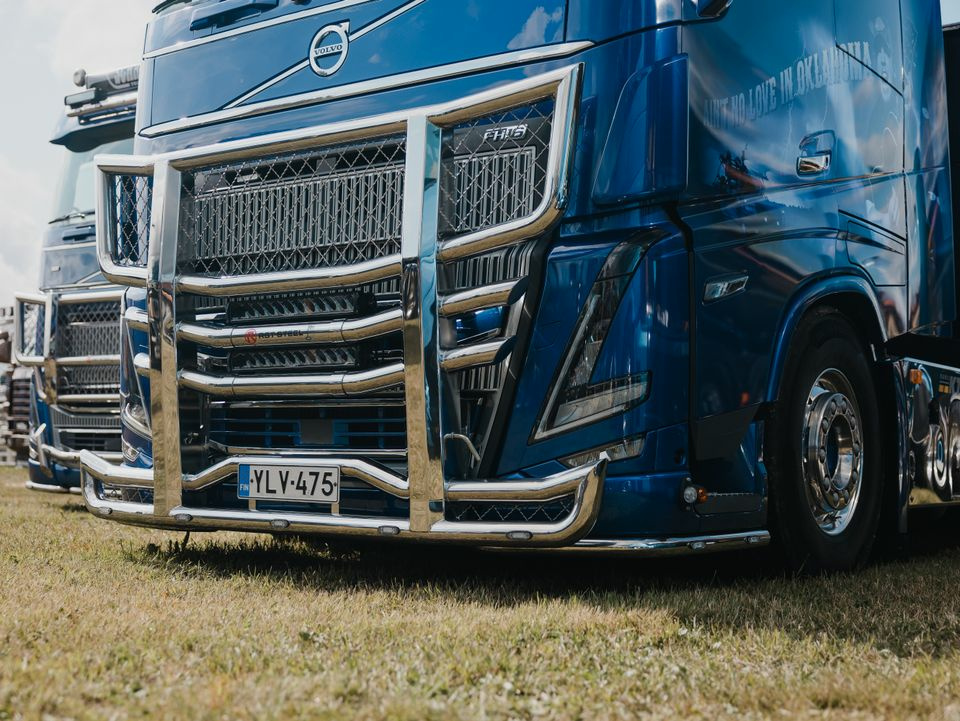
A bull bar is a safety accessory made of steel, installed at the front of a vehicle to protect the driver and equipment in collision situations. It absorbs impact energy and distributes the collision force over a wider area, reducing damage to both the vehicle and the load. A bull bar is especially important for heavy vehicles and professional drivers whose vehicles encounter demanding conditions and higher collision risks daily.
What is a bull bar and why is it an essential safety accessory?
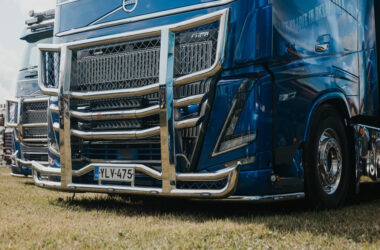
A bull bar is a metallic protective structure installed at the front of a vehicle, functioning as the primary collision protection in hazardous situations. It consists of a durable steel frame that is attached to the vehicle chassis and extends in front of the original bumper.
For heavy vehicles, a bull bar is an essential safety accessory for several reasons. Trucks and work vehicles often operate in areas where the risk of collisions is higher than usual — construction sites, agricultural environments, and busy urban settings. For professional drivers, a bull bar provides significant additional safety in daily work.
Road traffic safety improves significantly when heavy vehicles are equipped with properly installed bull bars. They protect not only the vehicle itself but also other road users by reducing the severity of collisions and preventing damage to critical vehicle components.
How does a bull bar protect the driver and passengers in collision situations?
Energy absorption is the bull bar’s most important protective mechanism in a collision. When the vehicle strikes an obstacle, the bull bar absorbs the impact first and distributes the collision force over a wider area of the vehicle chassis.
Driver safety improves significantly because the bull bar reduces the force transmitted to the cabin. Collision energy is transferred in a controlled manner to the vehicle structure instead of being concentrated at a single point. This reduces sudden decelerations that can cause injuries to the driver and passengers.
In different types of collisions, a bull bar functions differently. In frontal collisions, it prevents damage to the engine and radiator; in side impacts, it can redirect the force away from the cabin; and in rear-end collisions, it provides additional protection to the vehicle’s front end.
In which situations does a bull bar effectively prevent vehicle damage?
A bull bar protects the front of the vehicle effectively in low-speed collisions, which are most common in work environments and urban traffic. Typical situations include reversing from loading docks, tight parking spaces, and construction site traffic.
In agricultural environments, the bull bar protects the vehicle from damage caused by branches, stones, and other natural obstacles. On forest roads and construction sites, it prevents damage to the radiator and lighting systems.
Minimizing repair costs is a significant benefit for professional drivers. A single radiator repair can cost thousands of euros, whereas a bull bar pays for itself after preventing just a few incidents. Vehicle lifespan is significantly extended when critical components remain intact.
What are the most important criteria for a high-quality bull bar?
Stainless steel is the best material for a bull bar, as it resists corrosion and retains its strength over years of use. The structure must be strong enough to absorb impacts but not too rigid, so it does not transfer all the energy to the vehicle chassis.
Road traffic approvals are necessary for legal use. The bull bar must meet the safety requirements set by authorities and be officially approved for the specific vehicle model. In professional use, durability is paramount — the bull bar must withstand continuous stress and changing weather conditions.
Installation must be professional, and maintenance should be easy. A high-quality bull bar attaches securely to the vehicle chassis, and its condition is easy to check regularly. RST-Steel manufactures bull bars approved for road use from domestic stainless steel, offering professional drivers reliable protection for daily work.
Are you considering acquiring a bull bar for your vehicle?
Explore our selection and find an officially approved bull bar suitable for your vehicle model, providing the best possible protection to enhance work safety on the road. Contact our experts for more information about the solution that meets your specific needs.
Related Posts
Can Sun Visors be adjusted to different positions?
Yes — truck sun visors adjust in multiple ways. Here’s what every professional driver should know.
Which Cabin Outside accessories should be installed on a truck?
Protect your truck and improve safety with the right cabin exterior accessories for professional drivers.
How does Cabin Inside affect driver well-being?
Poor cabin ergonomics silently drains driver alertness — discover which interior accessories make the biggest difference on long hauls.
Which seat covers are suitable for professional use?
Not all seat covers handle daily cab life. Find out which materials and features truly meet professional standards.
Which Work Light Bars are the most efficient on a truck?
Not all truck light bars are equal — discover which specs, beam patterns, and ratings truly deliver on the job.
Can Work Light Bars be used on public roads?
Work light bars are illegal on EU public roads — here’s what every professional truck driver must know.
Can Front Spoiler Bars be repaired after damage?
Damaged front spoiler bar? Discover repair methods, assessment tips, and when replacement beats repair costs.
Which Front Spoiler Bars withstand impacts best?
Not all front spoiler bars survive real-world punishment — material grade, weld quality, and bracket engineering make all the difference.
How do Front Spoiler Bars affect a truck’s air resistance?
Front spoiler bars do more than manage airflow — discover their real aerodynamic impact and practical benefits for truck drivers.
When should Wheel Covers be replaced?
Damaged truck wheel covers risk costly rim repairs and road safety hazards — here’s exactly when to replace them.
How should Wheel Covers be cleaned effectively?
Brake dust, road salt, wrong cleaner — discover the step-by-step wheel cover cleaning routine that protects your rims long-term.
Which lights work best on a Roof Bar?
LED vs halogen, beam patterns, and key specs — find the best roof bar lights for professional trucks.
Which Front Bars fit different truck models?
Discover which stainless steel front bars fit major European truck models — and how to choose the right one.
How should Cabin Inside cleaning be carried out professionally?
Master professional truck cabin cleaning with the right tools, techniques, and schedules every driver needs.
How can Cabin Inside lighting be improved?
Discover how the right truck cabin lighting reduces driver fatigue and transforms your cab into a productive workspace.
Which Front Spoiler Bars are suitable for city driving?
Protect your truck’s front bumper in city traffic — discover which front spoiler bars handle urban hazards best.
What are Front Spoiler Bars on a truck?
Discover how front spoiler bars shield truck bumpers from real-world hazards — reducing costly downtime and repair bills.
Is a Bull Bar mandatory on a truck?
Bull bars aren’t mandatory on trucks — but here’s why professional drivers treat them as essential.


 Swedish
  English
  Norwegian