
Should you choose round or panel-style auxiliary lights?
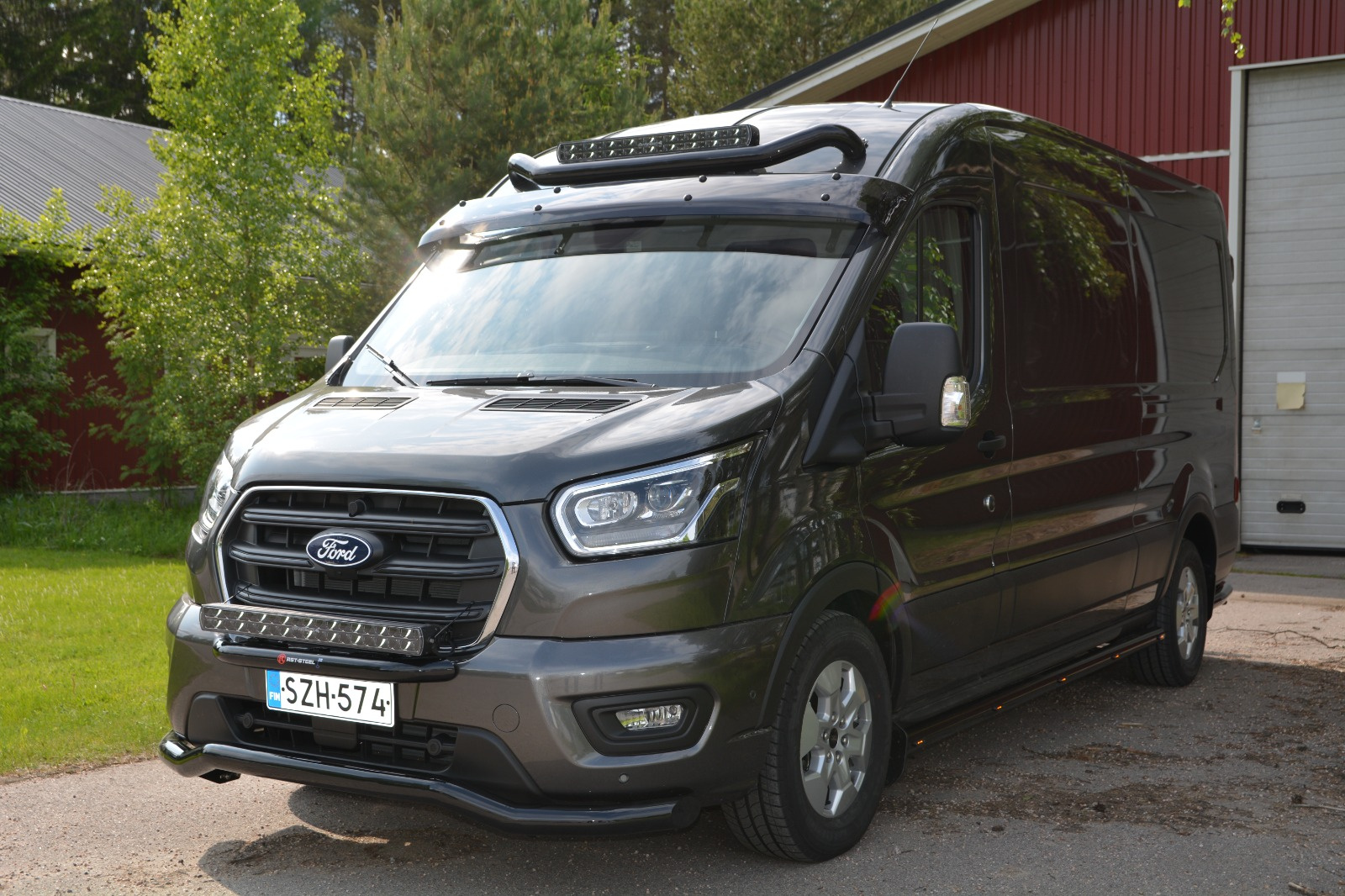
Choosing between round and panel-style auxiliary lights depends on your specific lighting needs and vehicle requirements. Round auxiliary lights typically provide focused, long-distance illumination with traditional beam patterns, while panel-style lights offer wider coverage with more uniform light distribution. Both styles have distinct advantages for different driving conditions, installation requirements, and aesthetic preferences that affect their suitability for various applications.
What’s the difference between round and panel-style auxiliary lights?
Round auxiliary lights feature circular lens designs that concentrate light into focused beam patterns, while panel-style lights use rectangular or square configurations that spread illumination across wider areas. Round lights traditionally excel at long-distance projection due to their reflector geometry, making them ideal for spotlighting and penetrating fog or darkness ahead. Panel lights distribute light more evenly across horizontal planes, providing better peripheral visibility and reducing dark spots.
The fundamental design differences affect how each style handles heat dissipation and LED arrangement. Round lights typically house LEDs in circular patterns around a central reflector, creating concentrated hotspots with gradual fade-off. Panel lights arrange LEDs in grid patterns across flat surfaces, enabling more uniform light distribution but sometimes sacrificing maximum distance performance.
Beam characteristics vary significantly between styles. Round auxiliary lights produce more traditional spot and flood patterns that many drivers find familiar and predictable. Panel lights create bar-style beams that cover wider horizontal areas, making them particularly effective for work lighting and close-range visibility enhancement.
Which auxiliary light style performs better for different driving conditions?
Round lights excel in highway and long-distance driving, where penetrating power and focused illumination are priorities. Their concentrated beam patterns cut through darkness more effectively at distance, making them superior for high-speed driving and spotting obstacles far ahead. Panel lights perform better in off-road conditions, work environments, and urban driving, where wide-area coverage improves overall visibility.
For off-road applications, panel-style auxiliary lights provide better peripheral illumination that helps drivers navigate trails, spot obstacles at close range, and maintain awareness of terrain features. The wider beam spread reduces shadows and dark spots that can hide hazards during technical driving situations.
Weather performance varies between styles based on beam characteristics. Round lights with focused patterns can penetrate fog and rain more effectively at distance, while panel lights’ wider distribution provides better visibility in snow and heavy weather conditions, where close-range awareness becomes critical.
Work environment applications favour panel lights due to their ability to illuminate large areas uniformly. Construction, emergency response, and commercial vehicle applications benefit from the consistent light coverage that panel designs provide across work zones.
How do installation requirements differ between round and panel auxiliary lights?
Round auxiliary lights typically require individual mounting points and brackets for each light, while panel lights often use single-piece mounting systems that can replace entire sections. Round lights offer more flexibility in positioning since each unit mounts independently, allowing custom arrangements to suit specific vehicle configurations and lighting needs.
Space requirements differ significantly between styles. Round lights need clearance around their circular profiles and often require deeper mounting depths to accommodate reflector housings. Panel lights typically mount closer to surfaces and can fit into rectangular spaces that round lights cannot accommodate effectively.
Wiring complexity varies based on the number of individual units. Multiple round lights require separate wire runs to each fixture, while single panel lights simplify electrical connections. However, round light failures affect only individual units, whereas panel light failures can eliminate entire lighting sections.
Vehicle compatibility considerations include bumper design, mounting surface availability, and aesthetic integration. Round lights complement traditional vehicle styling and integrate well with existing round fog light locations. Panel lights suit modern vehicle designs and can replace factory light bars or integrate into custom mounting solutions.
What should you consider when choosing between round and panel auxiliary lights?
Budget considerations span multiple price tiers, with different quality levels available in both styles. Premium options like Lazer Lamps offer superior performance and durability with advanced LED technology and robust construction. Mid-range alternatives, including Purelux and OZZ, provide excellent value with reliable performance for most applications. Budget-conscious choices like Optibeam deliver cost-effective solutions for basic auxiliary lighting needs.
Intended use cases significantly influence the optimal choice. Long-distance highway driving, hunting, and emergency response applications typically benefit from round lights’ focused beam performance. Work trucks, off-road vehicles, and urban commercial applications often perform better with panel lights’ wide-area coverage.
Aesthetic preferences affect vehicle appearance and resale value. Round lights maintain classic styling that appeals to traditional vehicle enthusiasts and integrates well with older designs. Panel lights complement modern vehicle aesthetics and provide sleeker profiles that suit contemporary styling trends.
Long-term value factors include replacement costs, upgrade flexibility, and maintenance requirements. Round light systems allow individual unit replacement and gradual upgrades, while panel systems may require complete replacement when damaged. Consider your vehicle’s expected service life and lighting performance requirements when evaluating total ownership costs.
Professional installation ensures optimal performance and safety compliance for either lighting style. We offer comprehensive installation services alongside our extensive range of auxiliary lighting options, from premium Lazer Lamps to cost-effective Optibeam solutions. Contact our lighting specialists to discuss which auxiliary light style best suits your specific vehicle and driving requirements.
Related Posts
Can Sun Visors be adjusted to different positions?
Yes — truck sun visors adjust in multiple ways. Here’s what every professional driver should know.
Which Cabin Outside accessories should be installed on a truck?
Protect your truck and improve safety with the right cabin exterior accessories for professional drivers.
How does Cabin Inside affect driver well-being?
Poor cabin ergonomics silently drains driver alertness — discover which interior accessories make the biggest difference on long hauls.
Which seat covers are suitable for professional use?
Not all seat covers handle daily cab life. Find out which materials and features truly meet professional standards.
Which Work Light Bars are the most efficient on a truck?
Not all truck light bars are equal — discover which specs, beam patterns, and ratings truly deliver on the job.
Can Work Light Bars be used on public roads?
Work light bars are illegal on EU public roads — here’s what every professional truck driver must know.
Can Front Spoiler Bars be repaired after damage?
Damaged front spoiler bar? Discover repair methods, assessment tips, and when replacement beats repair costs.
Which Front Spoiler Bars withstand impacts best?
Not all front spoiler bars survive real-world punishment — material grade, weld quality, and bracket engineering make all the difference.
How do Front Spoiler Bars affect a truck’s air resistance?
Front spoiler bars do more than manage airflow — discover their real aerodynamic impact and practical benefits for truck drivers.
When should Wheel Covers be replaced?
Damaged truck wheel covers risk costly rim repairs and road safety hazards — here’s exactly when to replace them.
How should Wheel Covers be cleaned effectively?
Brake dust, road salt, wrong cleaner — discover the step-by-step wheel cover cleaning routine that protects your rims long-term.
Which lights work best on a Roof Bar?
LED vs halogen, beam patterns, and key specs — find the best roof bar lights for professional trucks.
Which Front Bars fit different truck models?
Discover which stainless steel front bars fit major European truck models — and how to choose the right one.
How should Cabin Inside cleaning be carried out professionally?
Master professional truck cabin cleaning with the right tools, techniques, and schedules every driver needs.
How can Cabin Inside lighting be improved?
Discover how the right truck cabin lighting reduces driver fatigue and transforms your cab into a productive workspace.
Which Front Spoiler Bars are suitable for city driving?
Protect your truck’s front bumper in city traffic — discover which front spoiler bars handle urban hazards best.
What are Front Spoiler Bars on a truck?
Discover how front spoiler bars shield truck bumpers from real-world hazards — reducing costly downtime and repair bills.
Is a Bull Bar mandatory on a truck?
Bull bars aren’t mandatory on trucks — but here’s why professional drivers treat them as essential.


 Swedish
  English
  Norwegian