
Which auxiliary lights are best for long-distance driving?
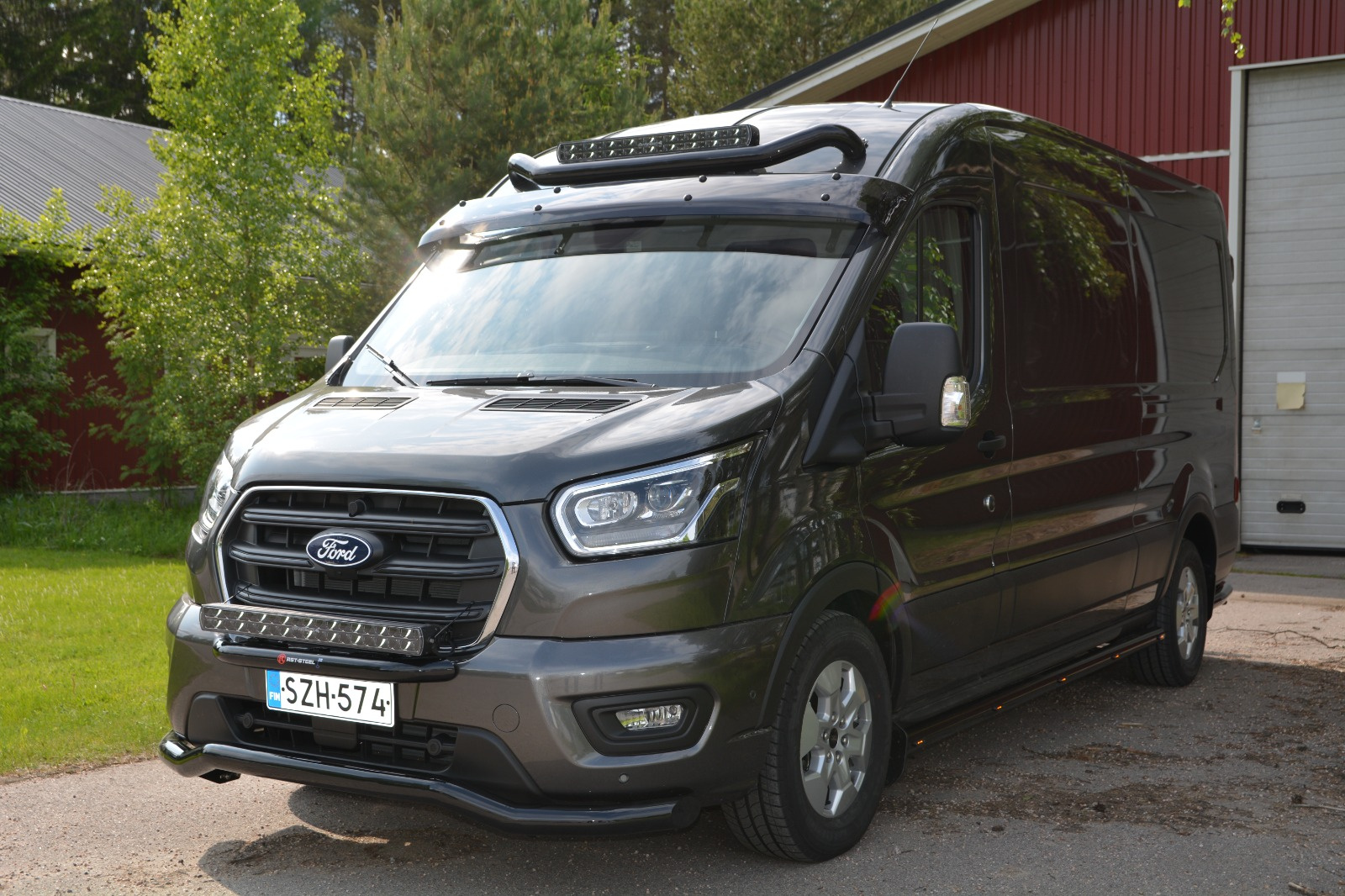
The best auxiliary lights for long-distance driving are LED spotlights and combination beam systems that provide extended visibility beyond standard headlights. Premium options like Lazer lights deliver superior performance with 500+ metre beam distance, while mid-range Purelux and budget-friendly Optibeam models offer excellent value. Key factors include beam pattern, lumen output, and build quality for reliable night-driving safety.
Why are auxiliary lights essential for long-distance driving safety?
Auxiliary lights dramatically improve visibility and reduce driver fatigue during extended night driving by providing illumination far beyond the standard headlight range. Standard vehicle headlights typically illuminate 60–100 metres ahead, while quality auxiliary lights extend this to 300–500+ metres, giving drivers crucial extra reaction time for hazards, wildlife, and changing road conditions.
Long-distance driving places unique demands on vehicle lighting systems. Standard headlights are designed for urban and suburban use, where street lighting supplements their output. On rural roads and motorways, this limited visibility creates dangerous blind spots that auxiliary lights help eliminate.
Professional drivers and frequent travellers particularly benefit from auxiliary lights because they reduce eye strain during extended night driving. The enhanced illumination allows drivers to maintain higher speeds safely while spotting potential hazards earlier. This improved visibility is especially critical when navigating unfamiliar routes or driving through areas with a high risk of wildlife crossings.
The safety benefits extend beyond personal protection. Auxiliary lights make your vehicle more visible to oncoming traffic, reducing collision risks. They also improve depth perception and spatial awareness, helping drivers judge distances more accurately in challenging lighting conditions.
What types of auxiliary lights work best for different driving conditions?
Spotlights excel for highway driving with their narrow, long-range beam pattern reaching 400+ metres ahead. Floodlights provide wide, short-range illumination, perfect for rural roads and cornering. Combination beam systems offer the best versatility, merging both patterns for comprehensive coverage across varied driving scenarios.
Spotlights feature concentrated beam patterns ideal for motorway driving, where maximum forward visibility matters most. Their pencil-beam design cuts through darkness to illuminate road signs, hazards, and lane markings at considerable distances. However, they provide limited enhancement of peripheral vision.
Floodlights deliver broad, wide-angle illumination that enhances side vision and corner visibility. They are particularly effective on winding country roads where wildlife or obstacles might appear from the roadside. The trade-off is reduced forward throw distance compared with spot configurations.
Combination beam lights integrate both spot and flood elements, typically featuring a central spot beam surrounded by flood lighting. This design provides excellent all-round performance for drivers who encounter varied road conditions during long journeys.
Weather conditions also influence light selection. Driving lights with warmer colour temperatures (3000–4000K) perform better in fog and rain, while cooler temperatures (5000–6000K) provide crisp visibility in clear conditions.
How do premium brands like Lazer compare to budget-friendly options?
Lazer lights represent the premium tier with superior build quality, maximum light output, and advanced optics delivering 500+ metre visibility. Mid-range Purelux and OZZ models offer excellent value with solid performance and durability. Budget-friendly Optibeam lights provide cost-effective solutions for occasional users while maintaining safety standards.
Lazer lights justify their premium pricing through exceptional engineering and materials. Their advanced reflector designs and high-quality LEDs produce maximum light output with precise beam control. The robust aluminium housings withstand extreme conditions, while superior heat management ensures consistent performance and an extended lifespan.
Purelux and OZZ occupy the mid-range segment, delivering impressive performance at more accessible prices. These lights typically offer 70–80% of premium performance while costing significantly less. They feature quality LED arrays and durable construction suitable for regular use, making them ideal for professional drivers seeking value.
Optibeam lights serve budget-conscious consumers who need reliable auxiliary lighting without premium features. While they may not match the absolute performance or longevity of higher-tier options, they provide substantial safety improvements over standard headlights alone.
The key difference lies in long-term value. Premium lights often last 10+ years with consistent performance, whereas budget options may require replacement sooner. For professional drivers covering high annual mileage, premium lights typically prove more economical over time.
What technical specifications matter most when choosing auxiliary lights?
Lumen output, beam distance, and IP rating are the critical specifications for auxiliary light selection. Look for a minimum of 3000 lumens per light, 300+ metre effective beam distance, and an IP67 waterproof rating. A colour temperature between 4000–5000K provides optimal visibility, while power consumption should match your vehicle’s electrical capacity.
Lumens indicate total light output, but beam pattern determines how effectively that light illuminates the road. A well-designed 4000-lumen light often outperforms a poorly designed 6000-lumen alternative. Focus on lights that specify both lumens and effective beam distance for accurate performance comparison.
IP ratings define environmental protection levels. An IP67 rating ensures lights withstand dust ingress and temporary water immersion, essential for reliable operation in harsh conditions. The higher IP68 rating provides additional protection against prolonged submersion.
Housing materials significantly impact durability and heat dissipation. Aluminium housings with integrated heat sinks prevent LED degradation and ensure consistent performance. Polycarbonate lenses offer impact resistance while maintaining optical clarity.
Power consumption affects vehicle electrical systems. Most auxiliary lights draw 3–8 amps per light, requiring appropriate wiring and switching systems. Professional installation ensures proper electrical integration and optimal performance while maintaining vehicle warranty compliance.
Choosing the right auxiliary lights transforms long-distance driving safety and comfort. Whether selecting premium Lazer systems for maximum performance or cost-effective alternatives for occasional use, proper specification matching ensures optimal results. We offer comprehensive auxiliary lighting solutions with professional installation services, ensuring your vehicle equipment delivers reliable performance for years of safe driving. For expert advice and professional installation, contact us today.
Related Posts
Can Sun Visors be adjusted to different positions?
Yes — truck sun visors adjust in multiple ways. Here’s what every professional driver should know.
Which Cabin Outside accessories should be installed on a truck?
Protect your truck and improve safety with the right cabin exterior accessories for professional drivers.
How does Cabin Inside affect driver well-being?
Poor cabin ergonomics silently drains driver alertness — discover which interior accessories make the biggest difference on long hauls.
Which seat covers are suitable for professional use?
Not all seat covers handle daily cab life. Find out which materials and features truly meet professional standards.
Which Work Light Bars are the most efficient on a truck?
Not all truck light bars are equal — discover which specs, beam patterns, and ratings truly deliver on the job.
Can Work Light Bars be used on public roads?
Work light bars are illegal on EU public roads — here’s what every professional truck driver must know.
Can Front Spoiler Bars be repaired after damage?
Damaged front spoiler bar? Discover repair methods, assessment tips, and when replacement beats repair costs.
Which Front Spoiler Bars withstand impacts best?
Not all front spoiler bars survive real-world punishment — material grade, weld quality, and bracket engineering make all the difference.
How do Front Spoiler Bars affect a truck’s air resistance?
Front spoiler bars do more than manage airflow — discover their real aerodynamic impact and practical benefits for truck drivers.
When should Wheel Covers be replaced?
Damaged truck wheel covers risk costly rim repairs and road safety hazards — here’s exactly when to replace them.
How should Wheel Covers be cleaned effectively?
Brake dust, road salt, wrong cleaner — discover the step-by-step wheel cover cleaning routine that protects your rims long-term.
Which lights work best on a Roof Bar?
LED vs halogen, beam patterns, and key specs — find the best roof bar lights for professional trucks.
Which Front Bars fit different truck models?
Discover which stainless steel front bars fit major European truck models — and how to choose the right one.
How should Cabin Inside cleaning be carried out professionally?
Master professional truck cabin cleaning with the right tools, techniques, and schedules every driver needs.
How can Cabin Inside lighting be improved?
Discover how the right truck cabin lighting reduces driver fatigue and transforms your cab into a productive workspace.
Which Front Spoiler Bars are suitable for city driving?
Protect your truck’s front bumper in city traffic — discover which front spoiler bars handle urban hazards best.
What are Front Spoiler Bars on a truck?
Discover how front spoiler bars shield truck bumpers from real-world hazards — reducing costly downtime and repair bills.
Is a Bull Bar mandatory on a truck?
Bull bars aren’t mandatory on trucks — but here’s why professional drivers treat them as essential.


 Swedish
  English
  Norwegian