
How often should the mounting bolts of a bull bar be checked under heavy-duty use?
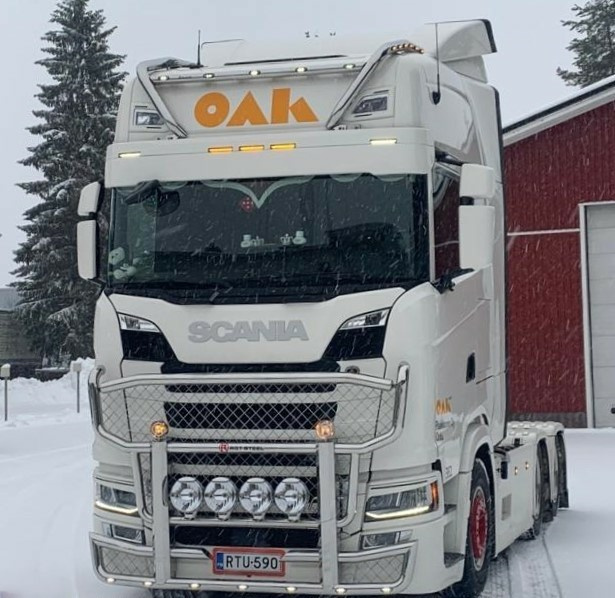
Bull bar mounting bolts should be inspected daily during pre-trip checks for commercial vehicles, with detailed weekly inspections and comprehensive monthly assessments. Heavy-duty applications create constant stress through vibration, load dynamics, and environmental exposure that can compromise bolt integrity over time. Regular maintenance prevents dangerous failures that could affect vehicle safety and bull bar effectiveness.
Why do mounting bolts fail under heavy-duty conditions?
Bull bar mounting bolts fail under heavy-duty conditions due to constant vibration, thermal cycling, and extreme load forces that exceed normal passenger vehicle stress levels. Commercial vehicles experience continuous road vibration that gradually loosens hardware, while temperature changes cause metal expansion and contraction cycles that weaken bolt connections.
Metal fatigue develops when mounting bolts repeatedly flex under dynamic loads during acceleration, braking, and cornering. The constant stress-relaxation cycle eventually creates microscopic cracks that propagate through the bolt material. Environmental factors accelerate this process through corrosion from road salt, moisture, and chemical exposure that weaken the metal structure.
Load dynamics play a critical role in bolt failure patterns. Heavy-duty bull bars like the Freeway series face massive impact forces during off-road operations or when encountering road debris. These sudden shock loads can exceed the bolt’s yield strength, causing immediate deformation or creating stress concentrations that lead to delayed failure.
Thermal expansion effects become particularly pronounced in commercial applications where vehicles operate in varying climates. The differential expansion rates between steel bull bars and aluminium mounting brackets create additional stress on the connecting hardware, gradually working bolts loose over extended operating periods.
How often should you inspect bull bar mounting bolts in commercial use?
Daily pre-trip inspections should include visual checks of bull bar mounting hardware, with weekly detailed examinations using proper tools and monthly comprehensive assessments that include torque verification. Professional drivers must integrate bull bar safety checks into their routine maintenance schedules to prevent dangerous failures.
Daily checks involve visual inspection for obvious looseness, missing hardware, or visible damage. Look for gaps between mounting brackets and the vehicle frame, check for rust stains indicating movement, and listen for unusual rattling sounds during vehicle startup. These quick assessments take less than two minutes but catch most developing problems early.
Weekly inspections require more thorough examination with the vehicle stationary. Check each mounting point individually, looking for bolt head deformation, thread damage, or corrosion around connection points. Use a flashlight to inspect hard-to-see areas behind the bull bar where moisture might accumulate and cause hidden damage.
Monthly comprehensive assessments should include torque verification using calibrated tools. Different bull bar models require specific torque specifications—lighter Lite series installations need different values than heavy-duty Freeway applications. Document all findings and maintain inspection records for fleet management and warranty purposes.
What are the warning signs of loose or damaged mounting bolts?
Warning signs include rattling sounds during startup, visible gaps between mounting brackets, rust stains around bolt heads, and changes in vehicle handling characteristics. These indicators typically appear gradually, making regular inspection crucial for early detection before complete failure occurs.
Auditory signals often provide the first warning of mounting problems. Metallic rattling or clicking sounds during engine startup, acceleration, or when driving over rough surfaces indicate loose hardware. These sounds typically worsen over time as the looseness increases, eventually becoming constant during vehicle operation.
Visual indicators include obvious gaps between the bull bar and mounting brackets, rust stains streaking down from bolt locations, and deformed or damaged bolt heads. Fresh metal shavings around mounting points suggest active movement and wear. Corrosion patterns often reveal where water has penetrated loose connections.
Handling changes become noticeable as mounting bolt problems worsen. The vehicle may feel less stable during cornering, experience increased vibration through the steering wheel, or exhibit unusual noise patterns during braking. These symptoms indicate that bull bar movement is affecting overall vehicle dynamics and require immediate attention.
How do you properly maintain bull bar mounting hardware?
Proper maintenance involves regular cleaning, corrosion prevention, torque specification compliance, and systematic replacement scheduling. Use calibrated torque wrenches, appropriate thread-locking compounds, and follow manufacturer specifications for your specific bull bar model to ensure optimal safety and performance.
Begin maintenance with thorough cleaning using degreasing agents to remove road grime, salt residue, and accumulated debris. Clean threads on both bolts and mounting holes, removing any corrosion or contamination that could affect proper seating. Apply appropriate anti-seize compounds to prevent future corrosion while avoiding over-application that could affect torque values.
Torque specifications vary significantly between different applications. Dakar series installations typically require moderate torque values due to their precision-engineered mounting systems, while Freeway series heavy-duty applications need higher torque settings to handle extreme loads. Always use calibrated torque wrenches and follow the specific values provided with your bull bar installation.
Document all maintenance activities, including torque values applied, hardware condition observations, and replacement dates. This documentation helps establish maintenance patterns, supports warranty claims, and provides valuable information for fleet management decisions. Replace mounting hardware according to manufacturer recommendations or whenever damage or excessive wear becomes apparent.
Professional maintenance standards require proper safety procedures during all bull bar service work. Support the bull bar adequately during bolt removal, use appropriate personal protective equipment, and ensure vehicle stability throughout the maintenance process. When in doubt about proper procedures or torque specifications, consult experienced professionals who understand heavy-duty vehicle equipment requirements.
Related Posts
What are Roof Bars on a truck?
Discover what truck roof bars do, which types suit your cab, and why proper installation matters for safety.
How are Roof Bars installed?
A complete guide to truck roof bar installation — covering mounting, wiring, and safety for professional drivers.
What is the difference between a Roof Bar and a Work Light Bar?
Roof bar or work light bar? Know the key differences to choose the right fit for your truck.
How many lights can be mounted on a Roof Bar?
Most truck roof bars hold 2–8 lights — but legal limits, cab width, and wiring matter more than you’d think.
What are Front Bars?
Discover how stainless steel front bars simplify auxiliary light installation and boost truck visibility on demanding roads.
Where are Front Bars mounted on a truck?
Truck front bars mount on the grille frame — not the chassis. Here’s what they do and why it matters.
How do Front Bars affect aerodynamics?
Discover how front bars disrupt truck airflow, raise fuel costs, and how smart design choices minimize the aerodynamic trade-off.
Why are Bird Nets necessary on trucks?
One cracked windshield costs more than a bird net — here’s why professional drivers install them first.
Are Front Bars approved for road use?
Find out if front bars are road-legal for trucks and what EU and Finnish compliance rules you must know.
How are Bird Nets installed on a truck?
Protect your windshield with a properly installed stainless steel bird net — here’s exactly how it’s done.
Which Bird Nets are the most durable?
Stainless steel bird nets outlast the rest — here’s how to choose the most durable option for your truck.
Can Bird Nets be used in all weather conditions?
Stainless steel truck bird nets handle every season — here’s what makes them truly all-weather reliable.
How can the Cabin Inside of a truck be improved?
Discover practical truck cabin upgrades that improve driver comfort, reduce fatigue, and boost daily performance.
What are Sun Visors on a truck?
Discover how exterior truck sun visors reduce dangerous glare and improve driver safety on long highway runs.
Which Roof Bars withstand harsh weather conditions best?
Grade 316 stainless steel roof bars outperform the rest in harsh Nordic conditions — here’s exactly why.
How do Sun Visors improve driving comfort?
Discover how a truck sun visor reduces glare, prevents driver fatigue, and improves road safety on every long haul.
Which Sun Visors are best suited for professional use?
Not all sun visors are built for professional demands — here’s what separates purpose-built truck visors from the rest.
Can Sun Visors be adjusted to different positions?
Yes — truck sun visors adjust in multiple ways. Here’s what every professional driver should know.
Which Cabin Outside accessories should be installed on a truck?
Protect your truck and improve safety with the right cabin exterior accessories for professional drivers.
How does Cabin Inside affect driver well-being?
Poor cabin ergonomics silently drains driver alertness — discover which interior accessories make the biggest difference on long hauls.
Which seat covers are suitable for professional use?
Not all seat covers handle daily cab life. Find out which materials and features truly meet professional standards.
Which Work Light Bars are the most efficient on a truck?
Not all truck light bars are equal — discover which specs, beam patterns, and ratings truly deliver on the job.
Can Work Light Bars be used on public roads?
Work light bars are illegal on EU public roads — here’s what every professional truck driver must know.
Can Front Spoiler Bars be repaired after damage?
Damaged front spoiler bar? Discover repair methods, assessment tips, and when replacement beats repair costs.
Which Front Spoiler Bars withstand impacts best?
Not all front spoiler bars survive real-world punishment — material grade, weld quality, and bracket engineering make all the difference.
How do Front Spoiler Bars affect a truck’s air resistance?
Front spoiler bars do more than manage airflow — discover their real aerodynamic impact and practical benefits for truck drivers.
When should Wheel Covers be replaced?
Damaged truck wheel covers risk costly rim repairs and road safety hazards — here’s exactly when to replace them.
How should Wheel Covers be cleaned effectively?
Brake dust, road salt, wrong cleaner — discover the step-by-step wheel cover cleaning routine that protects your rims long-term.
Which lights work best on a Roof Bar?
LED vs halogen, beam patterns, and key specs — find the best roof bar lights for professional trucks.
Which Front Bars fit different truck models?
Discover which stainless steel front bars fit major European truck models — and how to choose the right one.
How should Cabin Inside cleaning be carried out professionally?
Master professional truck cabin cleaning with the right tools, techniques, and schedules every driver needs.
How can Cabin Inside lighting be improved?
Discover how the right truck cabin lighting reduces driver fatigue and transforms your cab into a productive workspace.
Which Front Spoiler Bars are suitable for city driving?
Protect your truck’s front bumper in city traffic — discover which front spoiler bars handle urban hazards best.
What are Front Spoiler Bars on a truck?
Discover how front spoiler bars shield truck bumpers from real-world hazards — reducing costly downtime and repair bills.
Is a Bull Bar mandatory on a truck?
Bull bars aren’t mandatory on trucks — but here’s why professional drivers treat them as essential.


 Swedish
  English
  Norwegian