
Is a bull bar mandatory on a truck?
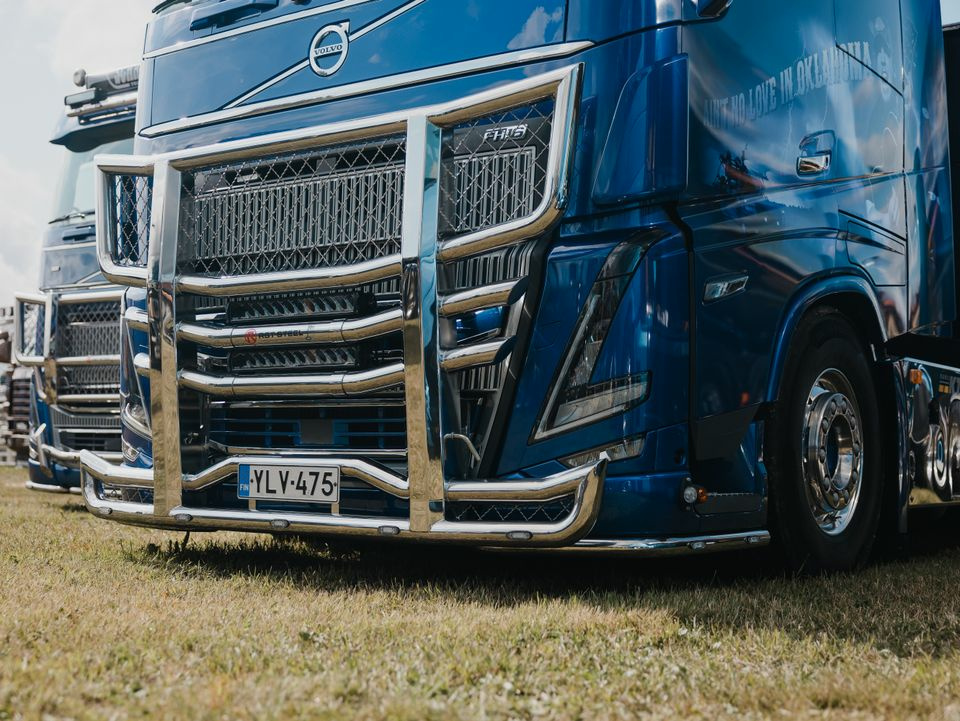
Bull bars are not mandatory on trucks in most jurisdictions. They are classified as optional accessories rather than required safety equipment. However, if you choose to install a bull bar, it must comply with specific safety regulations and vehicle approval standards to remain legal for road use. Understanding these requirements helps you make informed decisions about truck front protection systems.
Are bull bars legally required on commercial trucks?
Bull bars are not legally mandatory on commercial trucks in the UK, the European Union, or most other jurisdictions. They fall under optional vehicle accessories rather than required safety equipment like seatbelts, lights, or braking systems.
However, commercial vehicle regulations do specify certain mandatory safety equipment. This includes proper lighting systems, reflective markings, mirrors, and warning devices. Bull bars, while beneficial for protection, remain a choice rather than a legal requirement.
If you decide to fit a bull bar, it must meet specific approval standards. In Europe, this means compliance with vehicle type-approval regulations. The accessory cannot interfere with mandatory safety systems or alter the vehicle’s crash performance in ways that compromise pedestrian safety. Some regions have restrictions on bull bar designs, particularly regarding pedestrian impact zones.
Professional drivers should verify local regulations before installation, as some areas have specific rules about front-mounted accessories on commercial vehicles. Insurance companies may also have requirements regarding approved accessories and professional installation.
What are the main benefits of installing a bull bar on a truck?
Installing a bull bar provides front-end protection, wildlife collision mitigation, and an enhanced professional appearance. It shields vulnerable components like headlights, grilles, and radiators from damage during minor impacts or off-road use.
The primary protection benefit comes from absorbing and distributing impact forces away from expensive vehicle components. This is particularly valuable for trucks operating in rural areas where wildlife collisions are common, or in construction environments with debris hazards.
Bull bars also offer practical mounting points for additional equipment. Many designs accommodate auxiliary lighting, winches, or warning devices. This modularity makes them popular with emergency services and the agriculture and construction industries, which require specialised equipment integration.
From a business perspective, a well-designed bull bar creates a professional, robust appearance that can enhance your company’s image. Quality stainless steel construction, such as that found in Finnish-manufactured options, provides long-term durability while maintaining an attractive finish that withstands harsh operating conditions.
How do you choose the right bull bar for your truck?
Choose a bull bar based on your vehicle specifications, intended use, and regulatory compliance requirements. Different truck models require specific mounting systems and weight considerations to ensure safe installation and optimal performance.
Consider three main design categories when making your selection. Freeway models offer maximum protection and robust construction, ideal for heavy-duty applications and harsh environments. Dakar styles provide balanced protection with more refined aesthetics, often designed for specific vehicle models. Lite options deliver basic protection with reduced weight and cost, suitable for lighter commercial use.
Material selection significantly impacts performance and longevity. Stainless steel construction offers superior corrosion resistance and maintains its appearance over time, which is particularly important for professional applications. Ensure the manufacturer provides proper documentation for vehicle type approval and insurance purposes.
Verify compatibility with your truck’s existing systems, including parking sensors, cameras, and cooling requirements. Quality manufacturers provide detailed fitment guides and professional installation services to ensure proper integration without compromising vehicle functionality or warranty coverage.
What should you consider before installing a bull bar on your truck?
Consider vehicle compatibility, installation requirements, and maintenance obligations before proceeding with bull bar installation. Proper assessment ensures safe operation and compliance with legal and insurance requirements.
Vehicle compatibility extends beyond simple mounting points. Check weight distribution effects, particularly for vehicles with specific axle load limits. Ensure the installation will not interfere with cooling airflow, sensor systems, or access for routine maintenance. Some vehicles require additional reinforcement or modification for safe bull bar mounting.
Professional installation provides several advantages over DIY approaches. Qualified technicians understand torque specifications, mounting point stress distribution, and integration with existing vehicle systems. This expertise helps maintain warranty coverage and ensures compliance with safety standards.
Ongoing maintenance requirements include regular inspection of mounting bolts, cleaning to prevent corrosion, and verification that the bull bar has not shifted or loosened. Insurance companies may require documentation of professional installation and regular maintenance records. Contact experienced manufacturers who offer comprehensive installation services to ensure your investment provides long-term value and protection.
When selecting truck front protection systems, prioritise quality construction, proper approvals, and professional installation. These considerations ensure your bull bar enhances safety and appearance while maintaining full compliance with regulations and insurance requirements.
Related Posts
What are Roof Bars on a truck?
Discover what truck roof bars do, which types suit your cab, and why proper installation matters for safety.
How are Roof Bars installed?
A complete guide to truck roof bar installation — covering mounting, wiring, and safety for professional drivers.
What is the difference between a Roof Bar and a Work Light Bar?
Roof bar or work light bar? Know the key differences to choose the right fit for your truck.
How many lights can be mounted on a Roof Bar?
Most truck roof bars hold 2–8 lights — but legal limits, cab width, and wiring matter more than you’d think.
What are Front Bars?
Discover how stainless steel front bars simplify auxiliary light installation and boost truck visibility on demanding roads.
Where are Front Bars mounted on a truck?
Truck front bars mount on the grille frame — not the chassis. Here’s what they do and why it matters.
How do Front Bars affect aerodynamics?
Discover how front bars disrupt truck airflow, raise fuel costs, and how smart design choices minimize the aerodynamic trade-off.
Why are Bird Nets necessary on trucks?
One cracked windshield costs more than a bird net — here’s why professional drivers install them first.
Are Front Bars approved for road use?
Find out if front bars are road-legal for trucks and what EU and Finnish compliance rules you must know.
How are Bird Nets installed on a truck?
Protect your windshield with a properly installed stainless steel bird net — here’s exactly how it’s done.
Which Bird Nets are the most durable?
Stainless steel bird nets outlast the rest — here’s how to choose the most durable option for your truck.
Can Bird Nets be used in all weather conditions?
Stainless steel truck bird nets handle every season — here’s what makes them truly all-weather reliable.
How can the Cabin Inside of a truck be improved?
Discover practical truck cabin upgrades that improve driver comfort, reduce fatigue, and boost daily performance.
What are Sun Visors on a truck?
Discover how exterior truck sun visors reduce dangerous glare and improve driver safety on long highway runs.
Which Roof Bars withstand harsh weather conditions best?
Grade 316 stainless steel roof bars outperform the rest in harsh Nordic conditions — here’s exactly why.
How do Sun Visors improve driving comfort?
Discover how a truck sun visor reduces glare, prevents driver fatigue, and improves road safety on every long haul.
Which Sun Visors are best suited for professional use?
Not all sun visors are built for professional demands — here’s what separates purpose-built truck visors from the rest.
Can Sun Visors be adjusted to different positions?
Yes — truck sun visors adjust in multiple ways. Here’s what every professional driver should know.
Which Cabin Outside accessories should be installed on a truck?
Protect your truck and improve safety with the right cabin exterior accessories for professional drivers.
How does Cabin Inside affect driver well-being?
Poor cabin ergonomics silently drains driver alertness — discover which interior accessories make the biggest difference on long hauls.
Which seat covers are suitable for professional use?
Not all seat covers handle daily cab life. Find out which materials and features truly meet professional standards.
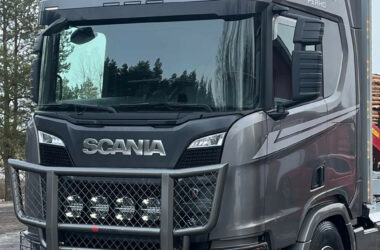
Which Work Light Bars are the most efficient on a truck?
Not all truck light bars are equal — discover which specs, beam patterns, and ratings truly deliver on the job.
Can Work Light Bars be used on public roads?
Work light bars are illegal on EU public roads — here’s what every professional truck driver must know.
Can Front Spoiler Bars be repaired after damage?
Damaged front spoiler bar? Discover repair methods, assessment tips, and when replacement beats repair costs.
Which Front Spoiler Bars withstand impacts best?
Not all front spoiler bars survive real-world punishment — material grade, weld quality, and bracket engineering make all the difference.
How do Front Spoiler Bars affect a truck’s air resistance?
Front spoiler bars do more than manage airflow — discover their real aerodynamic impact and practical benefits for truck drivers.
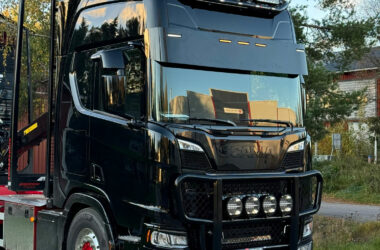
When should Wheel Covers be replaced?
Damaged truck wheel covers risk costly rim repairs and road safety hazards — here’s exactly when to replace them.
How should Wheel Covers be cleaned effectively?
Brake dust, road salt, wrong cleaner — discover the step-by-step wheel cover cleaning routine that protects your rims long-term.
Which lights work best on a Roof Bar?
LED vs halogen, beam patterns, and key specs — find the best roof bar lights for professional trucks.
Which Front Bars fit different truck models?
Discover which stainless steel front bars fit major European truck models — and how to choose the right one.
How should Cabin Inside cleaning be carried out professionally?
Master professional truck cabin cleaning with the right tools, techniques, and schedules every driver needs.
How can Cabin Inside lighting be improved?
Discover how the right truck cabin lighting reduces driver fatigue and transforms your cab into a productive workspace.
Which Front Spoiler Bars are suitable for city driving?
Protect your truck’s front bumper in city traffic — discover which front spoiler bars handle urban hazards best.
What are Front Spoiler Bars on a truck?
Discover how front spoiler bars shield truck bumpers from real-world hazards — reducing costly downtime and repair bills.
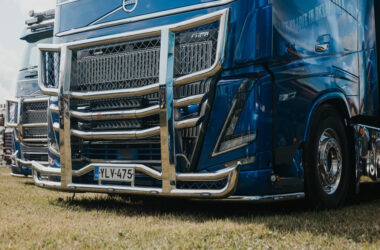
Is a Bull Bar mandatory on a truck?
Bull bars aren’t mandatory on trucks — but here’s why professional drivers treat them as essential.


 Swedish
  English
  Norwegian