
What are Front Spoiler Bars on a truck?
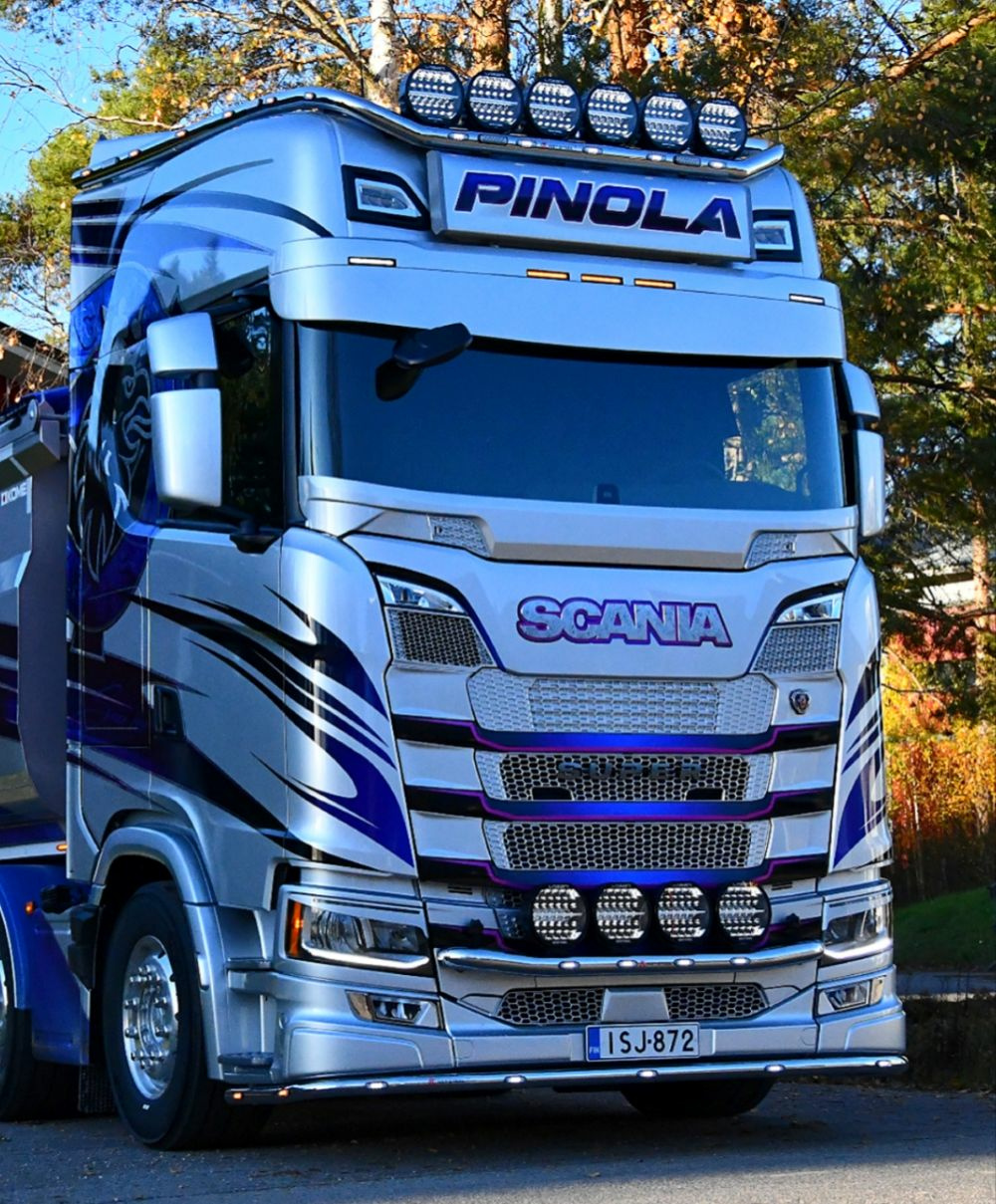
A front spoiler bar is a protective steel accessory mounted beneath the front bumper of a truck, designed to absorb and deflect impacts from low-level road hazards before they reach the bumper or lower fascia. It serves a dual purpose: providing genuine mechanical protection during daily professional driving and delivering a clean, purposeful appearance. The sections below cover construction, hazard protection, material specifications, and lighting integration.
What exactly is a front spoiler bar on a truck, and what is it designed to do?
A front spoiler bar on a truck is a structural steel bar mounted along the lower edge of the front bumper, positioned to intercept contact from road-level hazards before they cause damage to the bumper itself. Its primary function is impact absorption and deflection, protecting the lower fascia and bumper structure during everyday professional use.
Unlike a bull bar, which is mounted higher and designed to protect the grille and headlights in forward-collision scenarios, a front spoiler bar sits low and addresses a completely different category of risk. It handles the routine, low-speed contact events that accumulate over a working vehicle’s life. A front grille bar, by contrast, is primarily a mounting platform for auxiliary lights rather than a protective component.
Most professional-grade truck spoiler bars are manufactured from stainless steel, which combines structural rigidity with corrosion resistance. This matters particularly in Nordic and northern European operating environments where road salt is used heavily. The bar attaches to the bumper or chassis brackets and, when properly specified, becomes a permanent part of the truck’s front-end structure rather than a decorative addition.
What kind of road hazards and damage do front spoiler bars actually protect against?
The hazards that damage truck front ends most frequently are not high-speed collisions — they are the slow, repetitive contacts that happen during normal professional operations. Kerb strikes during tight reversing manoeuvres, speed bump impacts on a heavily loaded vehicle, snowdrift contact during winter routes, and debris encountered on construction or logistics sites all place direct stress on the lower bumper and fascia.
Heavy trucks are particularly vulnerable at the front lower section because the bumper sits close to ground level and the fascia panels on modern cabs are often made from composite materials that crack or deform on contact. Repair costs for front-end damage on a commercial truck are significant, and the associated downtime removes a vehicle from revenue-generating work.
A truck front spoiler bar intercepts these contacts at the steel bar rather than allowing them to transfer directly into the bumper structure. It absorbs and distributes the impact load, reducing the likelihood of cosmetic and structural damage. For drivers operating on tight urban delivery routes, winter roads, or active construction sites, this protection has a direct effect on vehicle availability and operating costs.
How are front spoiler bars constructed, and what materials and specifications should professional drivers look for?
A professional-grade front spoiler bar should be manufactured from stainless steel, typically AISI 304 grade, which provides the necessary combination of tensile strength, weld integrity, and long-term corrosion resistance. Tube diameter and wall thickness are the primary indicators of structural performance. For truck applications, a tube diameter of 60 mm or more with a wall thickness of at least 2 mm is appropriate for genuine protective use.
Weld quality is equally important. Continuous MIG or TIG welds at all joints, with proper penetration and clean finishing, indicate a bar built for load-bearing duty rather than cosmetic purposes. Surface finish, whether polished mirror or brushed satin, affects corrosion resistance in addition to appearance. A polished surface has fewer micro-pits where corrosion can initiate.
The mounting system determines whether the bar functions as intended. Proper attachment to the chassis or OEM bumper brackets, with model-specific hardware, ensures the bar transfers impact loads to the vehicle’s structure correctly. Before purchasing, verify compatibility with your specific truck brand and model year. Generic or universal-fit bars often compromise on bracket geometry, which reduces both protection and installation quality.
Can a front spoiler bar be fitted with auxiliary or position lights, and what are the practical benefits?
Yes, many front spoiler bars are designed with integrated mounting provisions for position lights (also called side marker or outline lights). These lights improve the truck’s visibility profile at night and in poor weather conditions, making the vehicle’s width and position clearer to other road users. This is a meaningful active safety benefit, not a cosmetic one.
Under EU and ECE regulations, trucks above certain dimensions are required to carry outline marker lights. A spoiler bar with compliant mounting positions allows these lights to be fitted at the correct height and spacing to meet regulatory requirements. It is worth confirming that any lighting installed on a spoiler bar meets ECE R7 approval for position lamps.
Auxiliary driving lights are a separate category from position lights. They provide additional forward illumination for the driver and are subject to different approval requirements under ECE R112 or ECE R149, depending on type. Some spoiler bar designs accommodate both position lights and auxiliary light brackets, making the bar a practical platform for a complete front lighting setup.
If you are looking for a truck front spoiler bar built to professional standards, with options for position light integration, RST-Steel manufactures stainless steel front spoiler bars for the most common truck brands. Contact us directly to discuss compatibility with your vehicle and to get a quote tailored to your requirements.


 Swedish
  English
  Norwegian