
How do auxiliary lights affect eye strain for the driver?
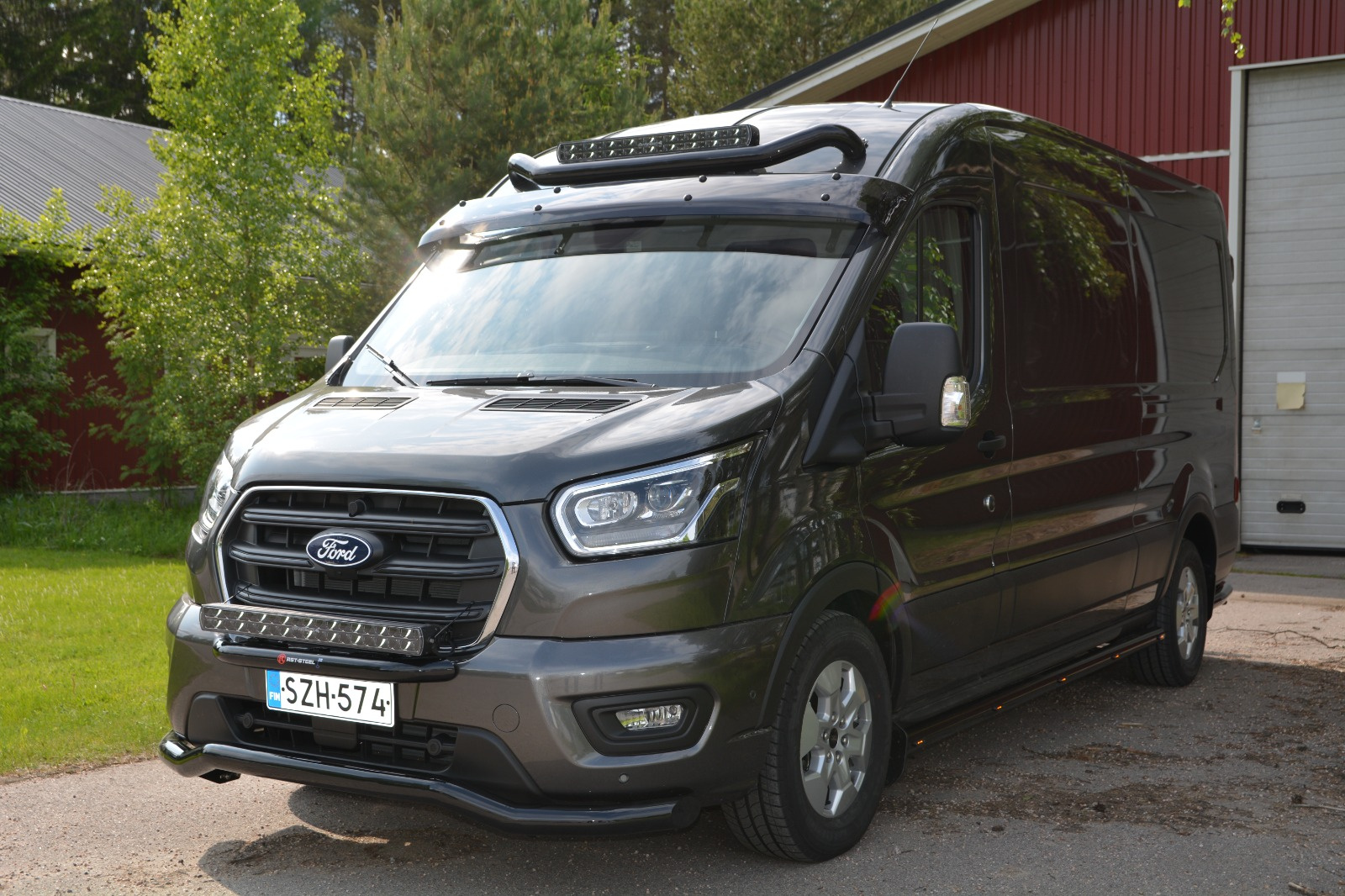
Auxiliary lights significantly reduce driver eye strain by providing consistent, well-distributed illumination that minimises constant pupil adjustments and focusing changes. Poor lighting conditions force your eyes to work harder, leading to fatigue during long driving sessions. Quality auxiliary lights create stable visibility that allows your eye muscles to relax while maintaining optimal road awareness and night driving safety.
What causes eye strain when driving and how do auxiliary lights help?
Driver eye strain occurs when your eye muscles constantly adjust to changing light conditions, poor visibility, and glare from oncoming traffic. Your pupils continuously dilate and contract while your focusing muscles work overtime to maintain clear vision in challenging conditions.
The physiological impact becomes particularly pronounced during professional driving or extended night sessions. Your eyes experience fatigue from constantly switching between bright headlight glare and dark road sections. This creates a cycle in which your visual system never reaches a stable, comfortable state.
Auxiliary lights address these issues by providing consistent, broad-spectrum illumination that reduces the dramatic light variations your eyes must process. Quality LED work lights create uniform lighting patterns that allow your pupils to maintain more stable positions, reducing the muscular effort required for constant adjustments.
The improved visibility extends your comfortable viewing range, meaning your eyes do not strain to identify hazards or road features in poorly lit areas. This consistent illumination particularly benefits professional drivers who spend hours navigating varying light conditions, as it maintains visual comfort throughout extended driving sessions.
What’s the difference between cheap and premium auxiliary lights for eye comfort?
Premium auxiliary lights offer superior colour temperature consistency, flicker-free operation, and precise beam patterns that significantly reduce eye strain compared to budget alternatives. High-quality optics eliminate hot spots and provide even light distribution, while cheaper options often create uneven illumination that forces your eyes to constantly readjust.
Colour temperature plays a crucial role in driving comfort. Premium brands like Lazer Lamps maintain a consistent 5000–6000K output that closely matches daylight, reducing the jarring transition between artificial lighting and natural vision. Budget options like Optibeam may vary in colour temperature, creating visual inconsistencies that contribute to eye fatigue.
Flicker rates represent another critical difference. Quality auxiliary lights operate with imperceptible flicker rates that will not cause subconscious eye strain. Cheaper alternatives may have detectable flicker that creates subtle but persistent visual stress, particularly noticeable during long professional driving sessions.
Mid-range solutions such as Purelux and OZZ provide balanced performance for professional drivers, offering improved optical design over budget options while remaining cost-effective. These lights typically feature better beam pattern consistency and more stable colour output than entry-level alternatives, though they may not match the precision engineering found in premium Lazer systems.
The optical design quality directly impacts how light reaches your eyes. Premium lights use advanced reflector systems and high-grade lenses to eliminate glare-causing irregularities, while budget options may create uncomfortable bright spots or shadows that strain your vision.
How should auxiliary lights be positioned to minimise driver eye strain?
Optimal auxiliary light positioning involves mounting lights below your direct line of sight with beam angles that illuminate the road without creating glare or shadows in your peripheral vision. Proper positioning prevents direct light from entering your field of vision while maximising road illumination effectiveness for reduced eye fatigue.
Mount auxiliary lights on your vehicle’s lower sections, such as below the bumper or on bull bars, ensuring they sit beneath your natural driving sight line. This positioning allows the light to reach the road surface without creating reflective glare off your bonnet or windscreen that would strain your eyes.
Beam angle adjustment is equally important for eye comfort. Configure lights to focus illumination 50–100 metres ahead rather than immediately in front of your vehicle. This extended lighting range allows your eyes to process upcoming road conditions comfortably without overwhelming your immediate vision with excessive brightness.
Consider the relationship between multiple lights when installing several auxiliary units. Overlapping beam patterns should create smooth transitions rather than distinct bright and dark zones that force your eyes to constantly readjust. Professional installation ensures proper alignment that maximises visibility while minimising visual stress.
Avoid positioning lights where they might reflect off other vehicle surfaces or create shadows that interrupt your peripheral vision. Side-mounted lights should angle slightly outward to illuminate road edges without creating uncomfortable contrast patterns in your side vision during cornering or lane changes.
Understanding how auxiliary lights affect eye strain helps professional drivers make informed decisions about vehicle lighting upgrades. Quality auxiliary lights, proper positioning, and appropriate beam patterns work together to reduce driver fatigue while improving night driving safety. At RST-Steel, we provide comprehensive guidance on selecting and installing auxiliary lighting solutions that prioritise both performance and driving comfort for professional applications. For expert assistance with your lighting requirements, contact us today.
Related Posts
Can Sun Visors be adjusted to different positions?
Yes — truck sun visors adjust in multiple ways. Here’s what every professional driver should know.

Which Cabin Outside accessories should be installed on a truck?
Protect your truck and improve safety with the right cabin exterior accessories for professional drivers.
How does Cabin Inside affect driver well-being?
Poor cabin ergonomics silently drains driver alertness — discover which interior accessories make the biggest difference on long hauls.
Which seat covers are suitable for professional use?
Not all seat covers handle daily cab life. Find out which materials and features truly meet professional standards.
Which Work Light Bars are the most efficient on a truck?
Not all truck light bars are equal — discover which specs, beam patterns, and ratings truly deliver on the job.
Can Work Light Bars be used on public roads?
Work light bars are illegal on EU public roads — here’s what every professional truck driver must know.
Can Front Spoiler Bars be repaired after damage?
Damaged front spoiler bar? Discover repair methods, assessment tips, and when replacement beats repair costs.
Which Front Spoiler Bars withstand impacts best?
Not all front spoiler bars survive real-world punishment — material grade, weld quality, and bracket engineering make all the difference.
How do Front Spoiler Bars affect a truck’s air resistance?
Front spoiler bars do more than manage airflow — discover their real aerodynamic impact and practical benefits for truck drivers.

When should Wheel Covers be replaced?
Damaged truck wheel covers risk costly rim repairs and road safety hazards — here’s exactly when to replace them.
How should Wheel Covers be cleaned effectively?
Brake dust, road salt, wrong cleaner — discover the step-by-step wheel cover cleaning routine that protects your rims long-term.
Which lights work best on a Roof Bar?
LED vs halogen, beam patterns, and key specs — find the best roof bar lights for professional trucks.
Which Front Bars fit different truck models?
Discover which stainless steel front bars fit major European truck models — and how to choose the right one.
How should Cabin Inside cleaning be carried out professionally?
Master professional truck cabin cleaning with the right tools, techniques, and schedules every driver needs.
How can Cabin Inside lighting be improved?
Discover how the right truck cabin lighting reduces driver fatigue and transforms your cab into a productive workspace.
Which Front Spoiler Bars are suitable for city driving?
Protect your truck’s front bumper in city traffic — discover which front spoiler bars handle urban hazards best.
What are Front Spoiler Bars on a truck?
Discover how front spoiler bars shield truck bumpers from real-world hazards — reducing costly downtime and repair bills.
Is a Bull Bar mandatory on a truck?
Bull bars aren’t mandatory on trucks — but here’s why professional drivers treat them as essential.


 Swedish
  English
  Norwegian