
How do different Kelvin values affect a vehicle’s auxiliary lights?
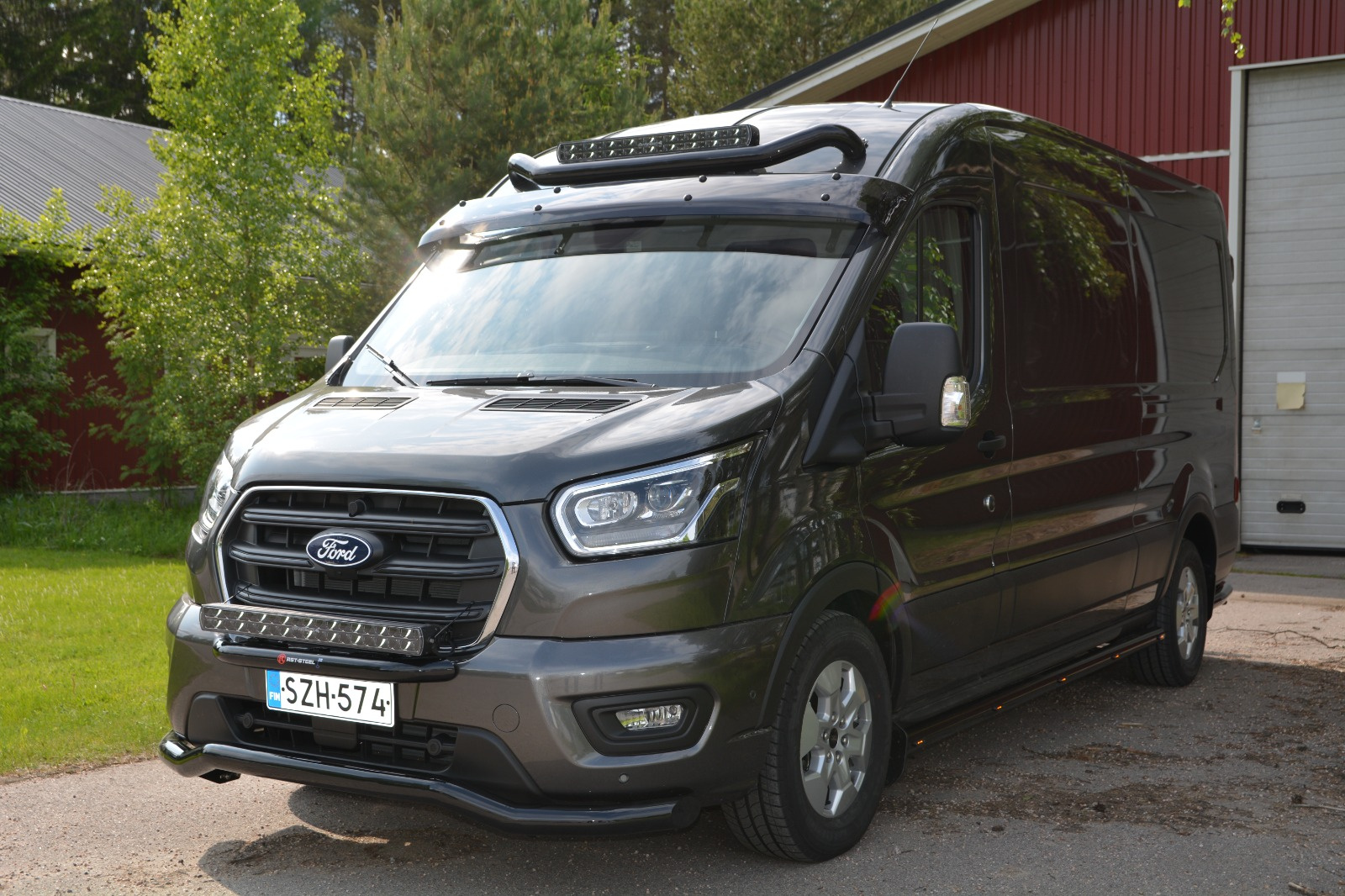
Kelvin values measure the color temperature of vehicle auxiliary lights, ranging from warm yellow tones (3000K) to cool white light (6500K). Understanding these ratings helps professional drivers choose the right auxiliary light performance for specific driving conditions, weather situations, and safety requirements. Different Kelvin ratings significantly impact visibility, eye strain, and overall driving safety.
What are Kelvin values and why do they matter for auxiliary lights?
Kelvin values represent the color temperature scale that measures how warm or cool light appears, ranging from 3000K (warm yellow) to 6500K (cool blue-white). This measurement directly affects light quality, visibility performance, and driver comfort during extended periods behind the wheel.
The Kelvin scale originated from measuring heated metal temperatures, where lower numbers produce warmer, more yellow light similar to traditional incandescent bulbs. Higher Kelvin ratings create cooler, whiter light that resembles daylight conditions. For automotive lighting, this difference becomes crucial when selecting auxiliary lights for specific driving scenarios.
Professional drivers benefit from understanding Kelvin ratings because different color temperatures perform better in various weather conditions and terrain types. Warm light penetrates fog and rain more effectively, while cooler light provides better contrast in clear conditions. Choosing the wrong color temperature can reduce visibility, increase eye fatigue, and compromise safety during critical driving situations.
How do different Kelvin ratings affect visibility and safety in various driving conditions?
Warm light (3000K–4000K) excels in foggy and rainy conditions because longer wavelengths penetrate moisture better, while cool light (5000K–6500K) provides superior contrast and detail recognition in clear weather. Neutral light (4000K–5000K) offers balanced performance across most driving scenarios.
In adverse weather conditions, warm auxiliary lights significantly improve visibility by reducing light scatter from water droplets and fog particles. The yellow spectrum cuts through atmospheric moisture more effectively than blue-white light, making road markings and obstacles more visible. Professional drivers operating in coastal areas or regions with frequent fog benefit most from 3000K–3500K ratings.
Cool light performs exceptionally well in clear conditions, providing crisp contrast that helps identify road hazards, wildlife, and terrain changes. The 5500K–6000K range closely matches natural daylight, reducing eye strain during night driving and improving depth perception. However, this same light becomes less effective in rain or snow, where it can create glare and reduce penetration distance.
Neutral light temperatures around 4500K–5000K represent the sweet spot for professional drivers who encounter varied conditions. This range provides reasonable fog penetration while maintaining good contrast in clear weather, making it ideal for long-haul drivers crossing different climate zones.
Which Kelvin value should you choose for different auxiliary light applications?
Fog lights perform best at 3000K–3500K for maximum penetration, work lights benefit from 4000K–5000K for accurate color rendering, while spotlights and floodlights work well at 5000K–6000K for distance visibility and peripheral coverage.
Fog lights mounted low on the vehicle require warm color temperatures to cut through moisture effectively. The 3000K range provides optimal performance in dense fog, light rain, and dusty conditions. These lights should complement, not compete with, your main headlights by illuminating the road surface directly ahead.
Work lights demand accurate color rendering to distinguish materials, tools, and potential hazards around the vehicle. The 4500K–5000K range offers excellent visibility for loading, unloading, and maintenance tasks while reducing eye strain during extended work periods. This neutral temperature works well for both close-up detail work and general area illumination.
Spotlights benefit from cooler temperatures around 5500K–6000K to maximize throw distance and object definition. These lights help identify distant road signs, wildlife, and terrain changes well ahead of the vehicle. The crisp white light provides excellent contrast for picking out details at range.
Floodlights work effectively in the 5000K–5500K range, providing wide-area coverage with good color accuracy. This temperature offers sufficient brightness for peripheral vision while maintaining comfortable viewing for extended periods.
We offer auxiliary lighting solutions across all price ranges to meet professional drivers’ diverse needs. Lazer Lamps represent our premium option, delivering exceptional performance and superior build quality for demanding applications. Our mid-range Purelux and OZZ models provide excellent value with reliable performance for most professional requirements. Optibeam lights offer cost-effective solutions for budget-conscious drivers without compromising essential safety features. Contact us to discuss which Kelvin rating and brand combination best suits your specific driving requirements and operating conditions.
Related Posts
Can Sun Visors be adjusted to different positions?
Yes — truck sun visors adjust in multiple ways. Here’s what every professional driver should know.
Which Cabin Outside accessories should be installed on a truck?
Protect your truck and improve safety with the right cabin exterior accessories for professional drivers.
How does Cabin Inside affect driver well-being?
Poor cabin ergonomics silently drains driver alertness — discover which interior accessories make the biggest difference on long hauls.
Which seat covers are suitable for professional use?
Not all seat covers handle daily cab life. Find out which materials and features truly meet professional standards.
Which Work Light Bars are the most efficient on a truck?
Not all truck light bars are equal — discover which specs, beam patterns, and ratings truly deliver on the job.
Can Work Light Bars be used on public roads?
Work light bars are illegal on EU public roads — here’s what every professional truck driver must know.
Can Front Spoiler Bars be repaired after damage?
Damaged front spoiler bar? Discover repair methods, assessment tips, and when replacement beats repair costs.
Which Front Spoiler Bars withstand impacts best?
Not all front spoiler bars survive real-world punishment — material grade, weld quality, and bracket engineering make all the difference.
How do Front Spoiler Bars affect a truck’s air resistance?
Front spoiler bars do more than manage airflow — discover their real aerodynamic impact and practical benefits for truck drivers.
When should Wheel Covers be replaced?
Damaged truck wheel covers risk costly rim repairs and road safety hazards — here’s exactly when to replace them.
How should Wheel Covers be cleaned effectively?
Brake dust, road salt, wrong cleaner — discover the step-by-step wheel cover cleaning routine that protects your rims long-term.
Which lights work best on a Roof Bar?
LED vs halogen, beam patterns, and key specs — find the best roof bar lights for professional trucks.
Which Front Bars fit different truck models?
Discover which stainless steel front bars fit major European truck models — and how to choose the right one.
How should Cabin Inside cleaning be carried out professionally?
Master professional truck cabin cleaning with the right tools, techniques, and schedules every driver needs.
How can Cabin Inside lighting be improved?
Discover how the right truck cabin lighting reduces driver fatigue and transforms your cab into a productive workspace.
Which Front Spoiler Bars are suitable for city driving?
Protect your truck’s front bumper in city traffic — discover which front spoiler bars handle urban hazards best.
What are Front Spoiler Bars on a truck?
Discover how front spoiler bars shield truck bumpers from real-world hazards — reducing costly downtime and repair bills.
Is a Bull Bar mandatory on a truck?
Bull bars aren’t mandatory on trucks — but here’s why professional drivers treat them as essential.


 Swedish
  English
  Norwegian