
How does a bull bar affect the vehicle’s front axle load and weight distribution?
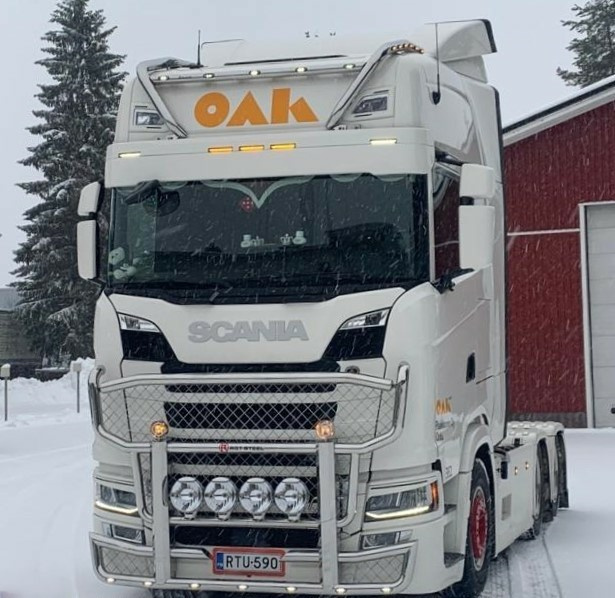
A bull bar typically adds 15–50 kilograms to your vehicle’s front axle load, depending on the model and construction materials. This additional weight affects your vehicle’s weight distribution, potentially impacting steering response, braking performance, and suspension behaviour. Understanding these changes helps ensure safe installation and optimal vehicle performance.
What exactly is front axle load and why does it matter for commercial vehicles?
Front axle load refers to the total weight carried by your vehicle’s front wheels and axle assembly. This includes the engine, transmission, front suspension components, and any additional accessories, such as bull bars mounted to the front end.
For commercial vehicles, front axle load directly influences several critical performance areas. Your steering response becomes less precise as front-end weight increases, requiring more effort to turn the wheel and potentially causing delayed reactions during emergency manoeuvres. Braking performance also changes because additional weight affects how quickly your vehicle can stop and how the braking force is distributed between the front and rear wheels.
Legal compliance represents another crucial consideration for fleet operators. Most jurisdictions specify maximum axle loads for commercial vehicles, and exceeding these limits can result in fines, vehicle impoundment, or insurance complications. The front axle weight distribution also affects tyre wear patterns, fuel consumption, and overall vehicle stability under both loaded and unloaded conditions.
How much weight does a bull bar actually add to your vehicle’s front end?
Bull bar weight varies significantly based on construction type and intended use. Lite models typically weigh 15–25 kilograms, offering basic protection with minimal weight impact. These lightweight options suit urban delivery vehicles and light commercial applications where fuel efficiency remains a priority.
Dakar bull bars generally weigh 25–40 kilograms, providing enhanced protection while maintaining reasonable weight additions. These mid-range options offer an excellent balance between protection and performance impact, making them popular choices for mixed-use commercial vehicles.
Freeway models represent the heaviest category, weighing 40–50 kilograms or more. These robust units provide maximum protection for heavy-duty applications and are particularly suitable for long-haul trucks and vehicles operating in challenging environments where animal strikes pose significant risks.
Material construction significantly influences final weight. Steel construction offers maximum strength but adds considerable mass, while aluminium alternatives reduce weight by approximately 30–40% while maintaining good protection levels. The mounting hardware, including brackets and reinforcement plates, typically adds another 3–8 kilograms to the total installation weight.
What happens to your vehicle’s handling when you install a bull bar?
Installing a bull bar shifts your vehicle’s centre of gravity forward, creating noticeable changes in handling characteristics. Steering response typically becomes slightly heavier, requiring more input force during parking and low-speed manoeuvres. This change becomes more pronounced with heavier Freeway models compared with lighter Lite alternatives.
Braking distances may increase marginally due to the additional front-end weight, particularly when the vehicle is unloaded. The extra mass requires your braking system to work harder, potentially affecting brake pad longevity and heat dissipation during extended use. However, modern commercial vehicles typically accommodate these changes within acceptable safety margins.
Suspension behaviour adapts to the additional front-end load, with the front springs compressing slightly more than standard. This can improve ride quality when the vehicle is lightly loaded by providing better balance between front and rear weight distribution. The protective benefits often outweigh these minor handling changes, particularly for vehicles that regularly encounter wildlife or require enhanced front-end protection.
Fuel consumption may increase by 2–5%, depending on the bull bar weight and driving conditions, with the impact being more noticeable during city driving than during highway cruising.
How do you calculate if your vehicle can safely handle a bull bar installation?
Begin by checking your vehicle’s manufacturer specifications for maximum front axle load capacity. This information appears in your owner’s manual or on the vehicle compliance plate, typically expressed as the Gross Axle Weight Rating (GAWR) for the front axle.
Weigh your vehicle at a certified weighbridge to determine the current front axle weight under typical loading conditions. Include the driver, fuel, tools, and standard cargo to obtain realistic baseline measurements. Compare this figure with the maximum rating to determine available capacity.
Add the proposed bull bar weight to your current front axle load. Ensure the total remains below the manufacturer’s specified limit with an adequate safety margin. We recommend maintaining at least 50–100 kilograms below maximum capacity to account for load variations and ensure compliance during roadside inspections.
Consider consulting experienced installers who understand vehicle-specific requirements and local regulations. Professional assessment helps identify potential issues before installation and ensures proper mounting techniques that distribute loads appropriately across the vehicle’s structure.
Fleet operators should document these calculations for each vehicle to demonstrate due diligence and maintain compliance records for regulatory inspections.
Understanding how bull bars affect front axle load helps you make informed decisions about vehicle modifications while maintaining safety and legal compliance. Professional consultation ensures optimal selection and installation for your specific operational requirements. Contact our technical team for personalised advice on choosing the right bull bar solution for your commercial vehicle needs.
Related Posts
What are Roof Bars on a truck?
Discover what truck roof bars do, which types suit your cab, and why proper installation matters for safety.
How are Roof Bars installed?
A complete guide to truck roof bar installation — covering mounting, wiring, and safety for professional drivers.
What is the difference between a Roof Bar and a Work Light Bar?
Roof bar or work light bar? Know the key differences to choose the right fit for your truck.
How many lights can be mounted on a Roof Bar?
Most truck roof bars hold 2–8 lights — but legal limits, cab width, and wiring matter more than you’d think.
What are Front Bars?
Discover how stainless steel front bars simplify auxiliary light installation and boost truck visibility on demanding roads.
Where are Front Bars mounted on a truck?
Truck front bars mount on the grille frame — not the chassis. Here’s what they do and why it matters.
How do Front Bars affect aerodynamics?
Discover how front bars disrupt truck airflow, raise fuel costs, and how smart design choices minimize the aerodynamic trade-off.
Why are Bird Nets necessary on trucks?
One cracked windshield costs more than a bird net — here’s why professional drivers install them first.
Are Front Bars approved for road use?
Find out if front bars are road-legal for trucks and what EU and Finnish compliance rules you must know.
How are Bird Nets installed on a truck?
Protect your windshield with a properly installed stainless steel bird net — here’s exactly how it’s done.
Which Bird Nets are the most durable?
Stainless steel bird nets outlast the rest — here’s how to choose the most durable option for your truck.
Can Bird Nets be used in all weather conditions?
Stainless steel truck bird nets handle every season — here’s what makes them truly all-weather reliable.
How can the Cabin Inside of a truck be improved?
Discover practical truck cabin upgrades that improve driver comfort, reduce fatigue, and boost daily performance.
What are Sun Visors on a truck?
Discover how exterior truck sun visors reduce dangerous glare and improve driver safety on long highway runs.
Which Roof Bars withstand harsh weather conditions best?
Grade 316 stainless steel roof bars outperform the rest in harsh Nordic conditions — here’s exactly why.
How do Sun Visors improve driving comfort?
Discover how a truck sun visor reduces glare, prevents driver fatigue, and improves road safety on every long haul.
Which Sun Visors are best suited for professional use?
Not all sun visors are built for professional demands — here’s what separates purpose-built truck visors from the rest.
Can Sun Visors be adjusted to different positions?
Yes — truck sun visors adjust in multiple ways. Here’s what every professional driver should know.
Which Cabin Outside accessories should be installed on a truck?
Protect your truck and improve safety with the right cabin exterior accessories for professional drivers.
How does Cabin Inside affect driver well-being?
Poor cabin ergonomics silently drains driver alertness — discover which interior accessories make the biggest difference on long hauls.
Which seat covers are suitable for professional use?
Not all seat covers handle daily cab life. Find out which materials and features truly meet professional standards.
Which Work Light Bars are the most efficient on a truck?
Not all truck light bars are equal — discover which specs, beam patterns, and ratings truly deliver on the job.
Can Work Light Bars be used on public roads?
Work light bars are illegal on EU public roads — here’s what every professional truck driver must know.
Can Front Spoiler Bars be repaired after damage?
Damaged front spoiler bar? Discover repair methods, assessment tips, and when replacement beats repair costs.
Which Front Spoiler Bars withstand impacts best?
Not all front spoiler bars survive real-world punishment — material grade, weld quality, and bracket engineering make all the difference.
How do Front Spoiler Bars affect a truck’s air resistance?
Front spoiler bars do more than manage airflow — discover their real aerodynamic impact and practical benefits for truck drivers.
When should Wheel Covers be replaced?
Damaged truck wheel covers risk costly rim repairs and road safety hazards — here’s exactly when to replace them.
How should Wheel Covers be cleaned effectively?
Brake dust, road salt, wrong cleaner — discover the step-by-step wheel cover cleaning routine that protects your rims long-term.
Which lights work best on a Roof Bar?
LED vs halogen, beam patterns, and key specs — find the best roof bar lights for professional trucks.
Which Front Bars fit different truck models?
Discover which stainless steel front bars fit major European truck models — and how to choose the right one.
How should Cabin Inside cleaning be carried out professionally?
Master professional truck cabin cleaning with the right tools, techniques, and schedules every driver needs.
How can Cabin Inside lighting be improved?
Discover how the right truck cabin lighting reduces driver fatigue and transforms your cab into a productive workspace.
Which Front Spoiler Bars are suitable for city driving?
Protect your truck’s front bumper in city traffic — discover which front spoiler bars handle urban hazards best.
What are Front Spoiler Bars on a truck?
Discover how front spoiler bars shield truck bumpers from real-world hazards — reducing costly downtime and repair bills.
Is a Bull Bar mandatory on a truck?
Bull bars aren’t mandatory on trucks — but here’s why professional drivers treat them as essential.


 Swedish
  English
  Norwegian