
How does a bull bar affect the vehicle’s weight?
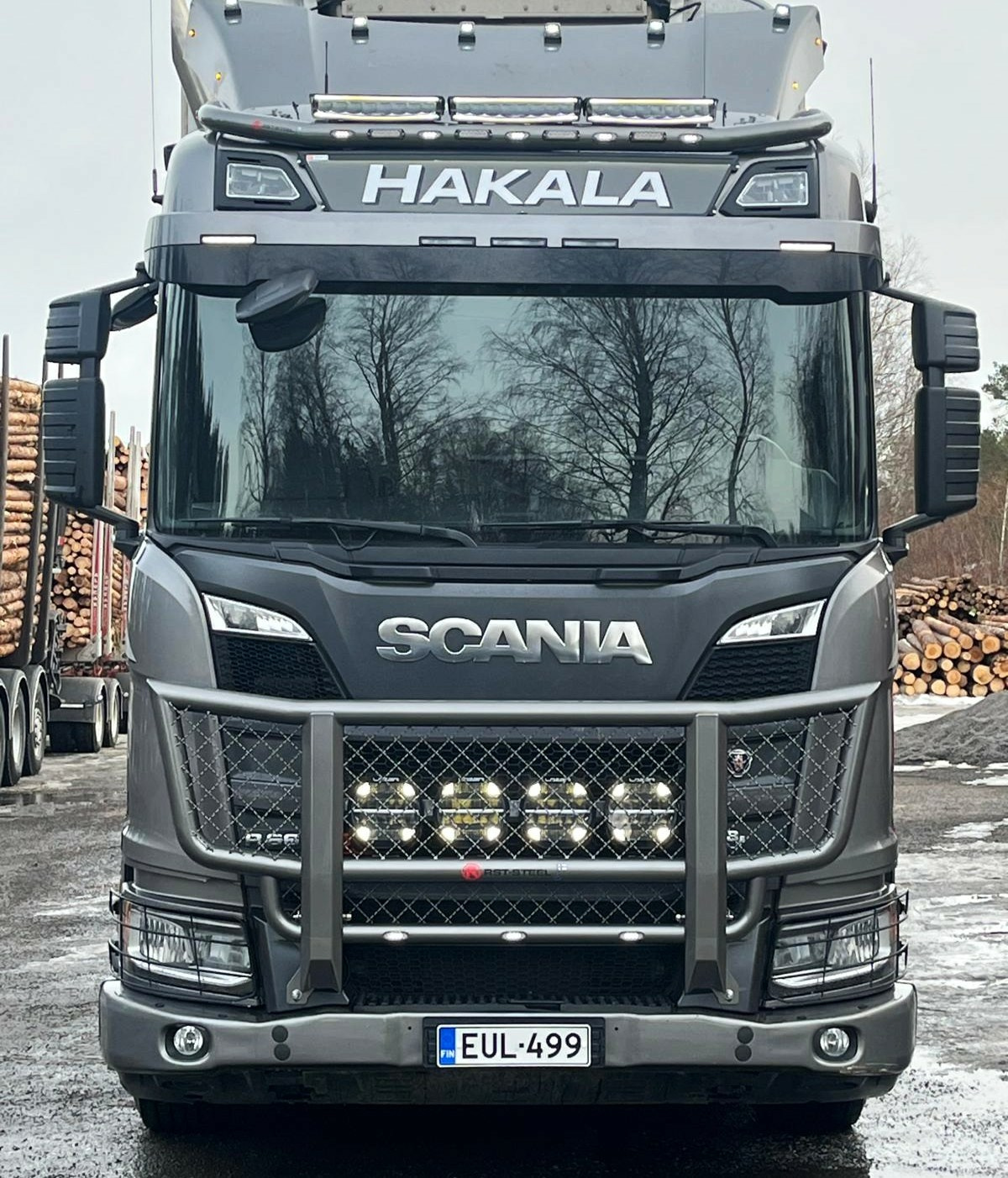
Bull bar weight typically ranges from 15–80 kilograms depending on the type and material. Light-duty aluminium bull bars weigh 15–30 kg, medium-duty steel versions range from 30–50 kg, while heavy-duty commercial bull bars can reach 60–80 kg. This additional weight affects your vehicle’s front axle loading, centre of gravity, and overall handling characteristics, requiring consideration of legal weight limits and safety regulations.
What exactly is a bull bar and how much does it typically weigh?
A bull bar is a protective metal frame mounted to the front of a vehicle to shield against collisions with animals, debris, or minor impacts. Bull bars serve multiple functions, including protecting headlights, radiators, and front-end components, while providing mounting points for auxiliary lighting and winches.
Bull bar weight varies significantly based on construction and intended use. Light bull bars represent the lightest option, typically weighing 15–25 kilograms. These simplified designs use thinner materials and minimal framework, making them suitable for urban driving and basic protection without excessive weight penalties.
Dakar-style bull bars offer a middle ground, weighing 25–40 kilograms. These designs balance protection with weight efficiency, featuring vehicle-specific mounting systems that integrate cleanly with the front end. The targeted design approach reduces unnecessary material while maintaining structural integrity.
Heavy-duty options like Freeway bull bars represent the maximum protection category, weighing 40–80 kilograms. These robust designs use thick-walled steel tubing and comprehensive framework coverage, making them suitable for commercial vehicles and extreme operating conditions.
Material choice significantly impacts bull bar weight. Steel construction offers maximum strength but increases weight considerably. Aluminium alternatives reduce weight by 30–40% while maintaining good protection levels. Composite materials provide the lightest option but with limited impact resistance compared to metal alternatives.
How does adding a bull bar change your vehicle’s weight distribution?
Adding a bull bar increases front axle loading and shifts the vehicle’s centre of gravity forward. This weight addition affects handling dynamics, braking performance, and suspension loading. The impact varies depending on the bull bar’s weight relative to the vehicle’s total mass and existing weight distribution.
Front axle loading increases directly with bull bar weight. A 40-kilogram bull bar adds this entire weight to the front axle, potentially affecting tyre wear patterns and suspension component stress. Vehicles with an existing heavy front-end bias experience more pronounced effects than those with balanced weight distribution.
The forward centre-of-gravity shift influences vehicle handling characteristics. Steering response may feel heavier at low speeds, while high-speed stability can improve due to increased front-end weight. However, excessive front weight can reduce rear tyre grip, affecting acceleration and cornering balance.
Braking performance changes occur due to altered weight distribution. Additional front weight increases brake disc and pad loading during deceleration. While this can improve initial braking response, it may cause premature wear of front brake components and require more frequent maintenance.
Suspension system stress increases with bull bar installation. Front springs and shock absorbers work harder to support the additional weight, potentially affecting ride quality and component longevity. Commercial vehicles with robust suspension systems handle this additional loading better than passenger cars with lighter-duty components.
Different vehicle types respond differently to bull bar weight additions. Pickup trucks and SUVs with substantial front suspension capacity accommodate heavy bull bars more easily. Lighter passenger vehicles may experience more noticeable handling changes and require careful bull bar selection to maintain optimal performance.
What are the legal and safety considerations when bull bar weight affects your vehicle?
Bull bar weight additions must comply with vehicle weight regulations and manufacturer specifications. Most jurisdictions require modifications to remain within gross vehicle weight limits and axle loading capacities. Safety systems, including airbags and crumple zones, may be affected by front-end weight additions, requiring professional assessment and potential recalibration.
Vehicle weight regulations typically specify maximum gross vehicle weight and individual axle loadings. Adding a bull bar increases front axle weight, which must remain within legal limits. Commercial vehicles face stricter enforcement, with potential penalties for exceeding weight restrictions during roadside inspections.
Certification requirements vary by region but often mandate engineering assessment for significant vehicle modifications. Bull bar installations may require certification to ensure compliance with safety standards and vehicle design requirements. Professional installation ensures proper mounting and regulatory compliance.
Safety system compatibility requires careful consideration when adding bull bar weight. Modern vehicles use sophisticated crash sensors and airbag deployment systems calibrated for specific weight distributions. Additional front-end weight can affect sensor readings and deployment timing, potentially compromising occupant protection.
Manufacturer warranty implications arise when modifying vehicle weight distribution. Some manufacturers void warranties for modifications affecting safety systems or structural components. Professional installation using approved mounting points helps maintain warranty coverage while ensuring safe operation.
Insurance considerations include disclosure of vehicle modifications and potential premium adjustments. Insurers may require notification of bull bar installations, particularly for heavy-duty commercial applications. Proper installation documentation and certification help maintain coverage validity.
Understanding bull bar weight implications ensures safe, legal vehicle modification. Professional assessment considers your specific vehicle, intended use, and regulatory requirements. For expert guidance on bull bar selection and installation that optimises protection while maintaining vehicle performance, consult experienced vehicle equipment specialists who understand both technical requirements and regulatory compliance.
Related Posts
Can Sun Visors be adjusted to different positions?
Yes — truck sun visors adjust in multiple ways. Here’s what every professional driver should know.
Which Cabin Outside accessories should be installed on a truck?
Protect your truck and improve safety with the right cabin exterior accessories for professional drivers.
How does Cabin Inside affect driver well-being?
Poor cabin ergonomics silently drains driver alertness — discover which interior accessories make the biggest difference on long hauls.
Which seat covers are suitable for professional use?
Not all seat covers handle daily cab life. Find out which materials and features truly meet professional standards.
Which Work Light Bars are the most efficient on a truck?
Not all truck light bars are equal — discover which specs, beam patterns, and ratings truly deliver on the job.
Can Work Light Bars be used on public roads?
Work light bars are illegal on EU public roads — here’s what every professional truck driver must know.
Can Front Spoiler Bars be repaired after damage?
Damaged front spoiler bar? Discover repair methods, assessment tips, and when replacement beats repair costs.
Which Front Spoiler Bars withstand impacts best?
Not all front spoiler bars survive real-world punishment — material grade, weld quality, and bracket engineering make all the difference.
How do Front Spoiler Bars affect a truck’s air resistance?
Front spoiler bars do more than manage airflow — discover their real aerodynamic impact and practical benefits for truck drivers.
When should Wheel Covers be replaced?
Damaged truck wheel covers risk costly rim repairs and road safety hazards — here’s exactly when to replace them.
How should Wheel Covers be cleaned effectively?
Brake dust, road salt, wrong cleaner — discover the step-by-step wheel cover cleaning routine that protects your rims long-term.
Which lights work best on a Roof Bar?
LED vs halogen, beam patterns, and key specs — find the best roof bar lights for professional trucks.
Which Front Bars fit different truck models?
Discover which stainless steel front bars fit major European truck models — and how to choose the right one.
How should Cabin Inside cleaning be carried out professionally?
Master professional truck cabin cleaning with the right tools, techniques, and schedules every driver needs.
How can Cabin Inside lighting be improved?
Discover how the right truck cabin lighting reduces driver fatigue and transforms your cab into a productive workspace.
Which Front Spoiler Bars are suitable for city driving?
Protect your truck’s front bumper in city traffic — discover which front spoiler bars handle urban hazards best.
What are Front Spoiler Bars on a truck?
Discover how front spoiler bars shield truck bumpers from real-world hazards — reducing costly downtime and repair bills.
Is a Bull Bar mandatory on a truck?
Bull bars aren’t mandatory on trucks — but here’s why professional drivers treat them as essential.


 Swedish
  English
  Norwegian