
How much light output does a professional driver really need?
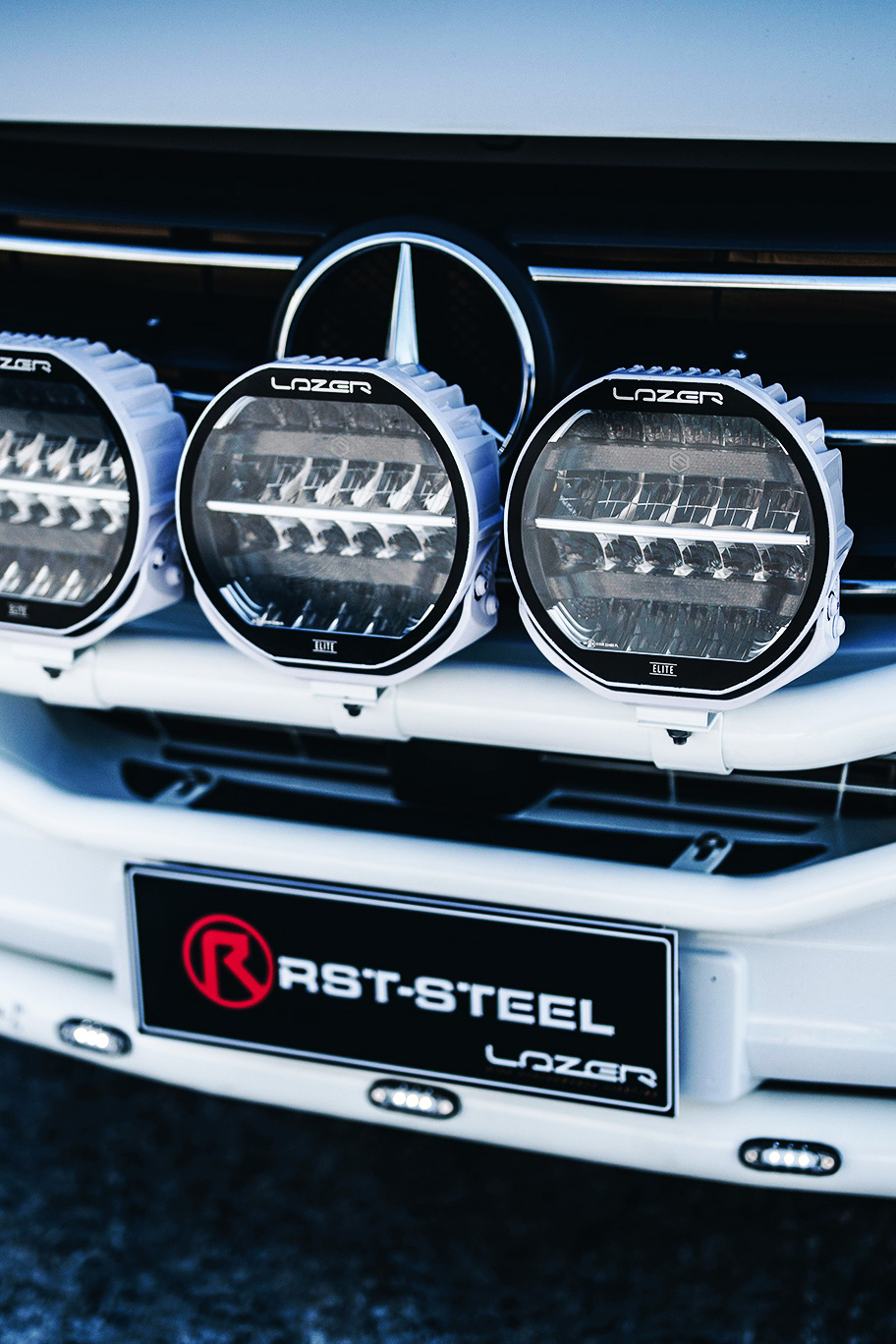
Professional drivers need significantly more light output than standard headlights provide because they face unique visibility challenges that recreational drivers rarely encounter. Extended night driving, harsh weather conditions, rural routes with minimal lighting, and strict safety requirements all demand superior illumination. The right auxiliary lighting setup can mean the difference between safe navigation and dangerous visibility gaps that compromise both driver safety and operational efficiency.
Why do professional drivers need more light output than standard headlights?
Professional drivers operate in conditions that push standard automotive lighting beyond its effective limits. Standard headlights typically produce 1,000–1,500 lumens per bulb, which works adequately for occasional night driving on well-lit roads but falls short for professional applications.
Extended night driving creates eye fatigue that reduces natural visual capabilities. Professional drivers spend hours navigating in darkness, making their eyes work harder to distinguish road hazards, wildlife, and obstacles. Enhanced auxiliary lighting reduces this strain by providing broader, brighter illumination that makes objects visible at greater distances.
Weather conditions present another significant challenge. Rain, snow, and fog scatter standard headlight beams, creating glare while reducing forward visibility. Professional driving safety requirements often mandate auxiliary lighting systems that can penetrate these conditions effectively, ensuring drivers maintain adequate visibility regardless of the weather.
Rural routes and construction zones frequently lack street lighting, leaving drivers entirely dependent on vehicle lighting. Emergency vehicles, delivery services, and long-haul truckers regularly encounter these environments, where standard lighting simply cannot provide the coverage needed for safe operation at professional speeds and schedules.
How much light output is actually required for safe professional driving?
Professional driving typically requires 3,000–6,000 lumens of total light output for safe operation, significantly exceeding standard headlight capabilities. This measurement combines headlights with auxiliary lighting to create adequate illumination for professional visibility requirements.
Understanding light measurement helps determine proper equipment. Lumens measure total light output, while lux measures light intensity at a specific distance. Professional drivers need both high lumen output for overall brightness and proper lux distribution for effective beam patterns that illuminate the road ahead without creating dangerous glare.
Different driving conditions require varying output levels. Highway driving at speed demands 4,000–6,000 lumens to provide sufficient forward visibility for safe stopping distances. Urban delivery work might function adequately with 2,000–3,000 lumens, while off-road construction or emergency work often requires more than 5,000 lumens for comprehensive area illumination.
Professional requirements differ substantially from recreational needs because of duty cycles and safety responsibilities. Recreational drivers might use auxiliary lights occasionally, but professional drivers depend on consistent, reliable illumination throughout their working hours. This demands higher-quality systems with greater output and durability.
What’s the difference between budget and premium auxiliary lighting systems?
Budget auxiliary lighting systems like Optibeam provide basic functionality at accessible prices, typically offering 1,000–2,000 lumens per light. Premium systems such as Lazer Lamps deliver 3,000–5,000 lumens per unit with superior beam control, weather resistance, and longevity that justifies higher investment for professional applications.
Optibeam represents the most cost-effective entry point for professional driver lighting needs. These systems provide reliable basic illumination suitable for occasional use or budget-conscious operations. While they lack the advanced features of premium options, they offer practical solutions for drivers requiring enhanced visibility without significant financial investment.
Mid-range options like Purelux and OZZ systems strike an excellent balance between performance and cost. These lights typically produce 2,000–3,500 lumens with better beam patterns and construction quality than budget alternatives. They suit professional drivers who need dependable performance but cannot justify premium pricing.
Lazer Lamps represent the pinnacle of auxiliary lighting technology. These premium systems offer exceptional light output, precise beam control, robust construction, and advanced features like thermal management. Professional drivers operating in demanding conditions often find that the superior performance and reliability justify the higher initial cost through reduced maintenance and enhanced safety.
Which auxiliary light configuration works best for different professional driving scenarios?
Optimal auxiliary light configuration depends entirely on specific professional driving applications. Long-haul truckers benefit from high-mounted spot beams for distance visibility, while delivery drivers need wide flood patterns for area illumination. Emergency vehicles require versatile combinations that adapt to various response scenarios.
Long-haul trucking demands maximum forward visibility for highway speeds. A combination of spot and flood beams mounted high on the cab provides both distance penetration and peripheral coverage. This configuration helps drivers spot road hazards, wildlife, and traffic situations well ahead of their stopping distance.
Delivery and courier services operate in varied urban environments requiring flexible lighting solutions. Wide flood patterns work best for loading areas and residential streets, while moderate spot beams help with address identification and navigation. Lower mounting positions often prove more practical for frequent stops and varied terrain.
Construction and emergency vehicles need comprehensive area lighting that illuminates work zones safely. Multiple light bars with different beam patterns create overlapping coverage that eliminates shadows and provides consistent illumination for both vehicle operation and ground work. Professional installation ensures optimal positioning for specific vehicle applications.
Choosing the right auxiliary lighting system requires understanding your specific professional driving needs and matching them with appropriate technology. Whether you need budget-friendly Optibeam solutions for basic enhancement or premium Lazer systems for demanding applications, proper professional driver lighting significantly improves safety and operational efficiency. Contact us to discuss which auxiliary light configuration will best serve your professional driving requirements and ensure optimal visibility for your specific applications.


 Swedish
  English
  Norwegian